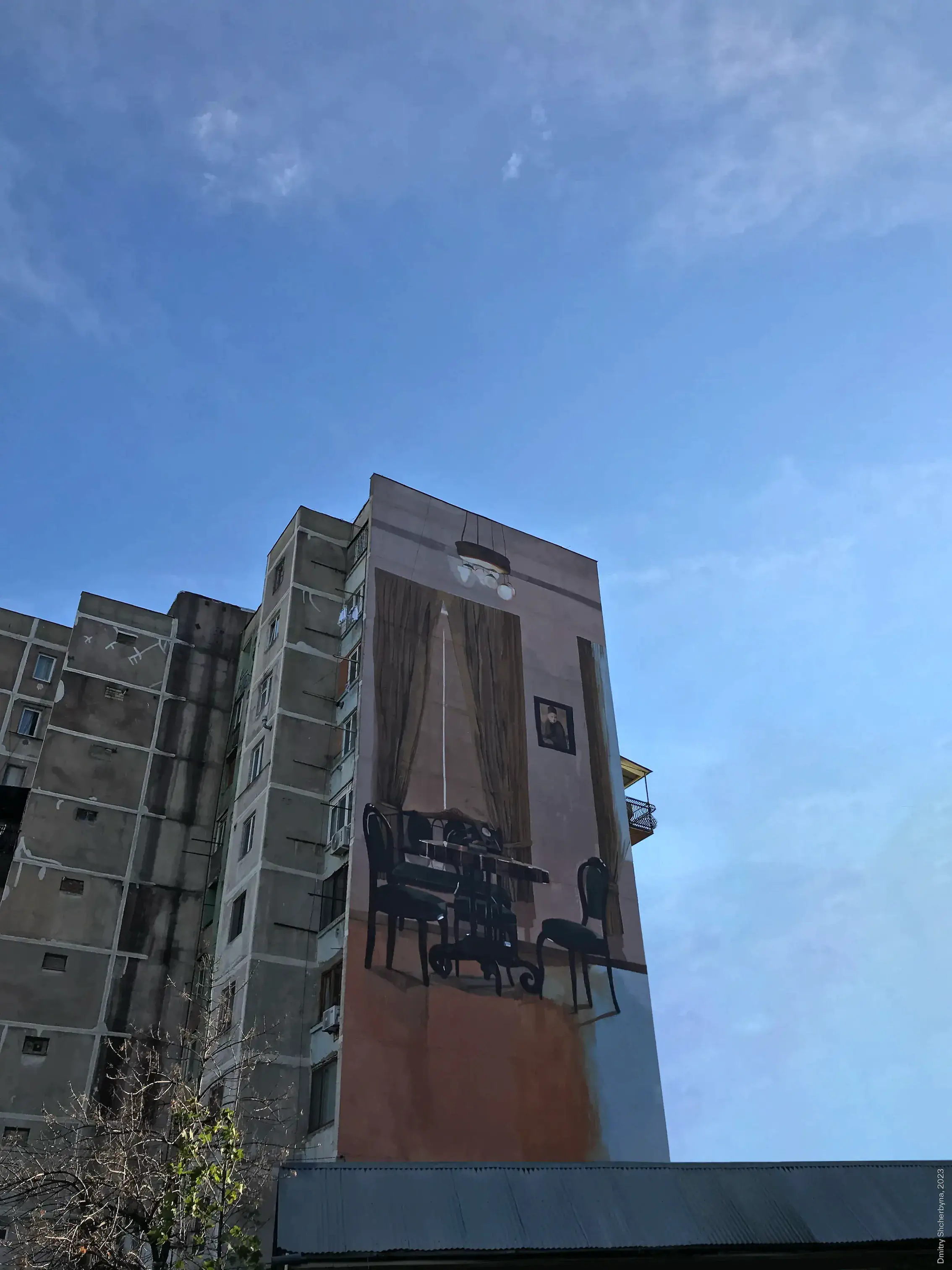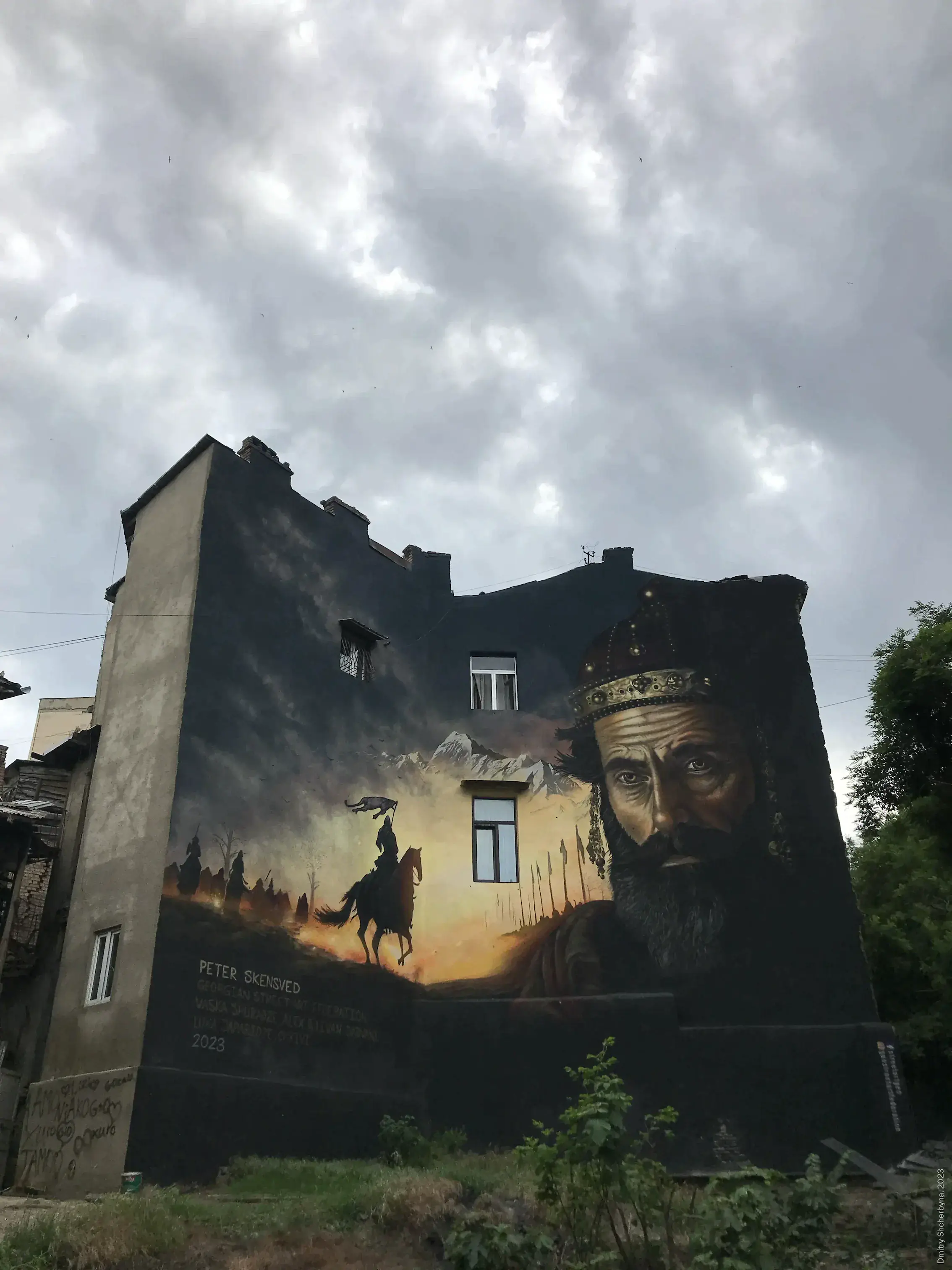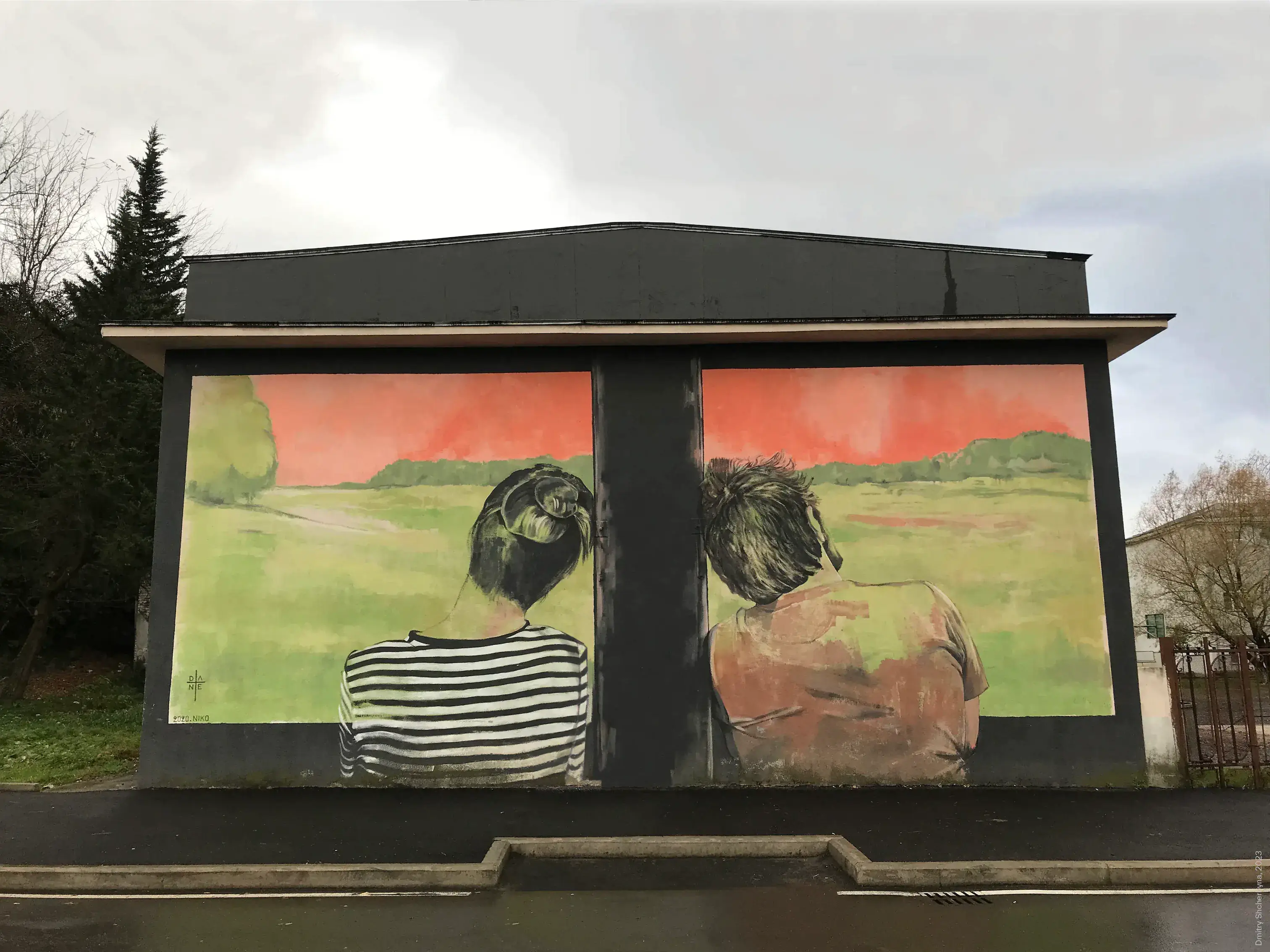
Archive of selected Georgian street art works. 2021-2023.
The modern subculture of tagging became prominent in the mid-to-late 1960s, first emerging in Philadelphia, later moving to New York, and eventually spreading worldwide.
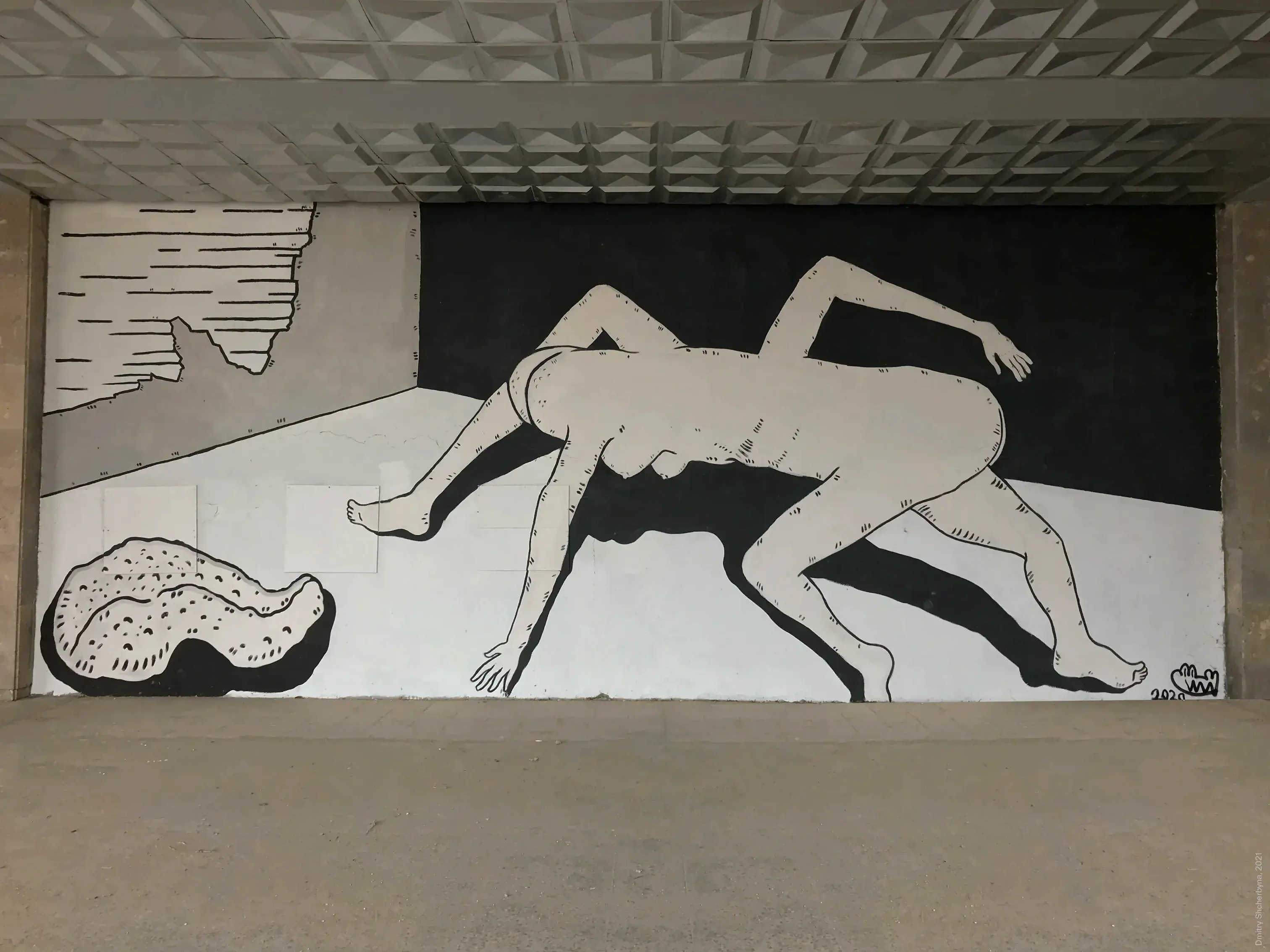
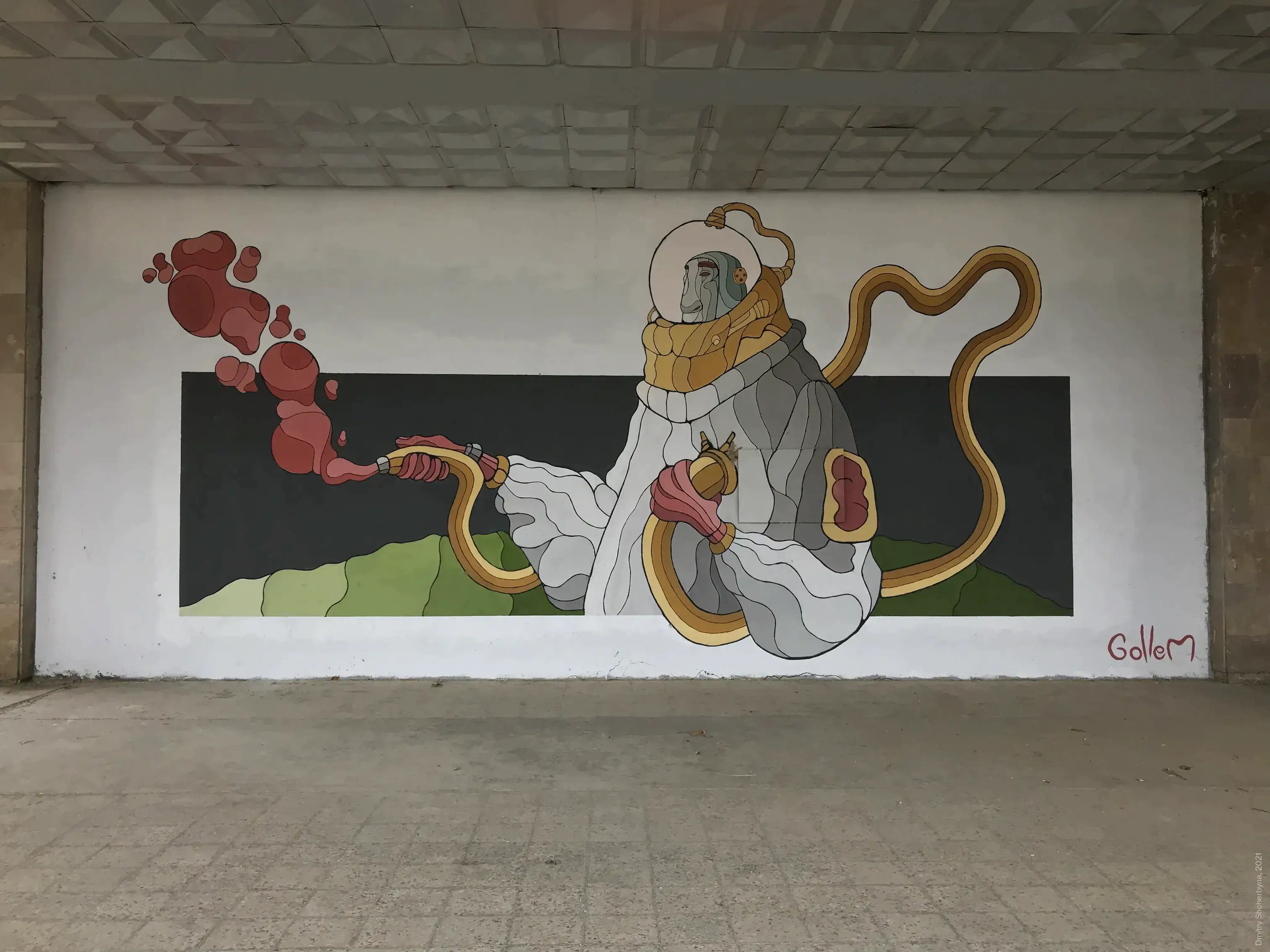
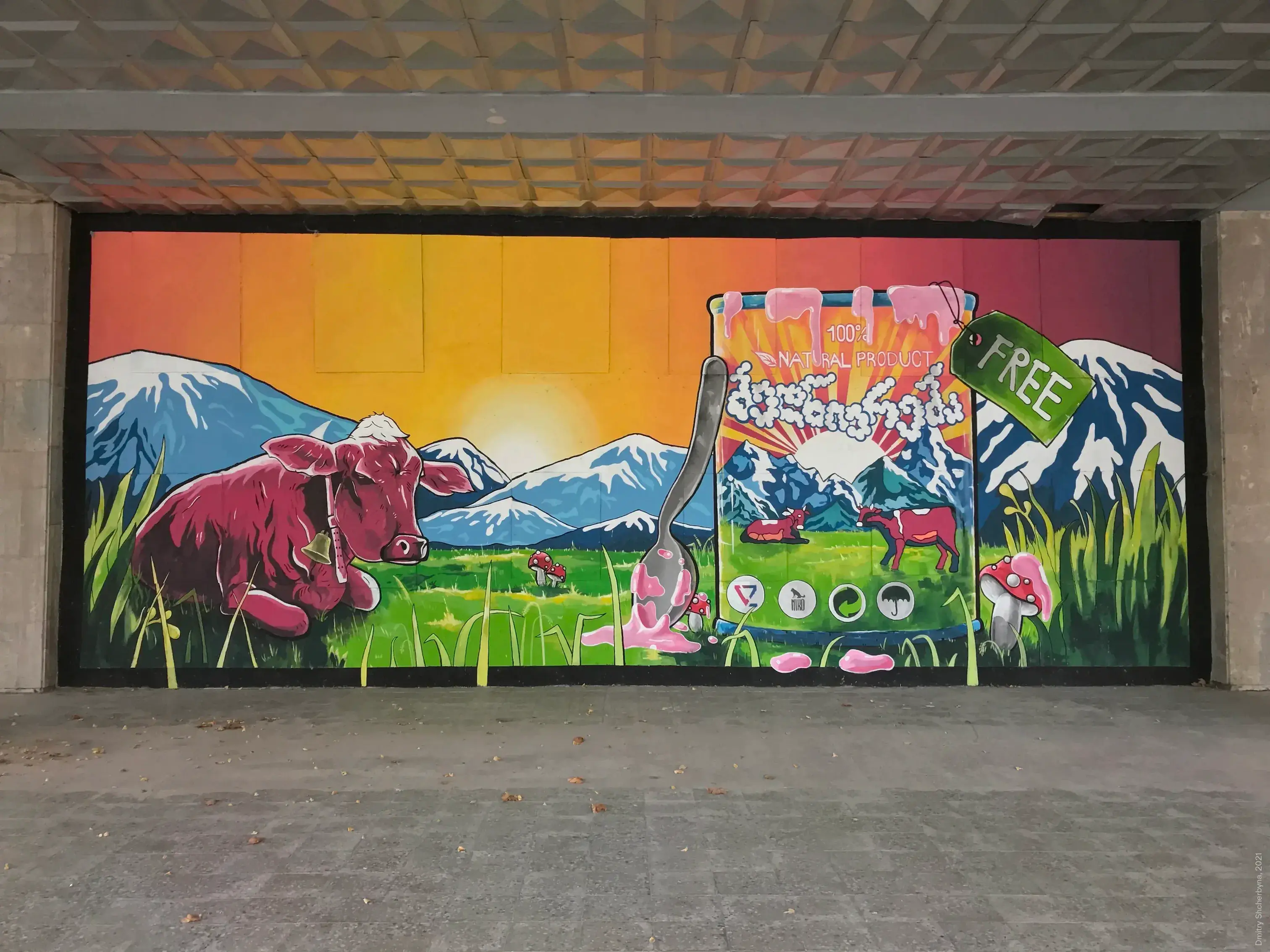
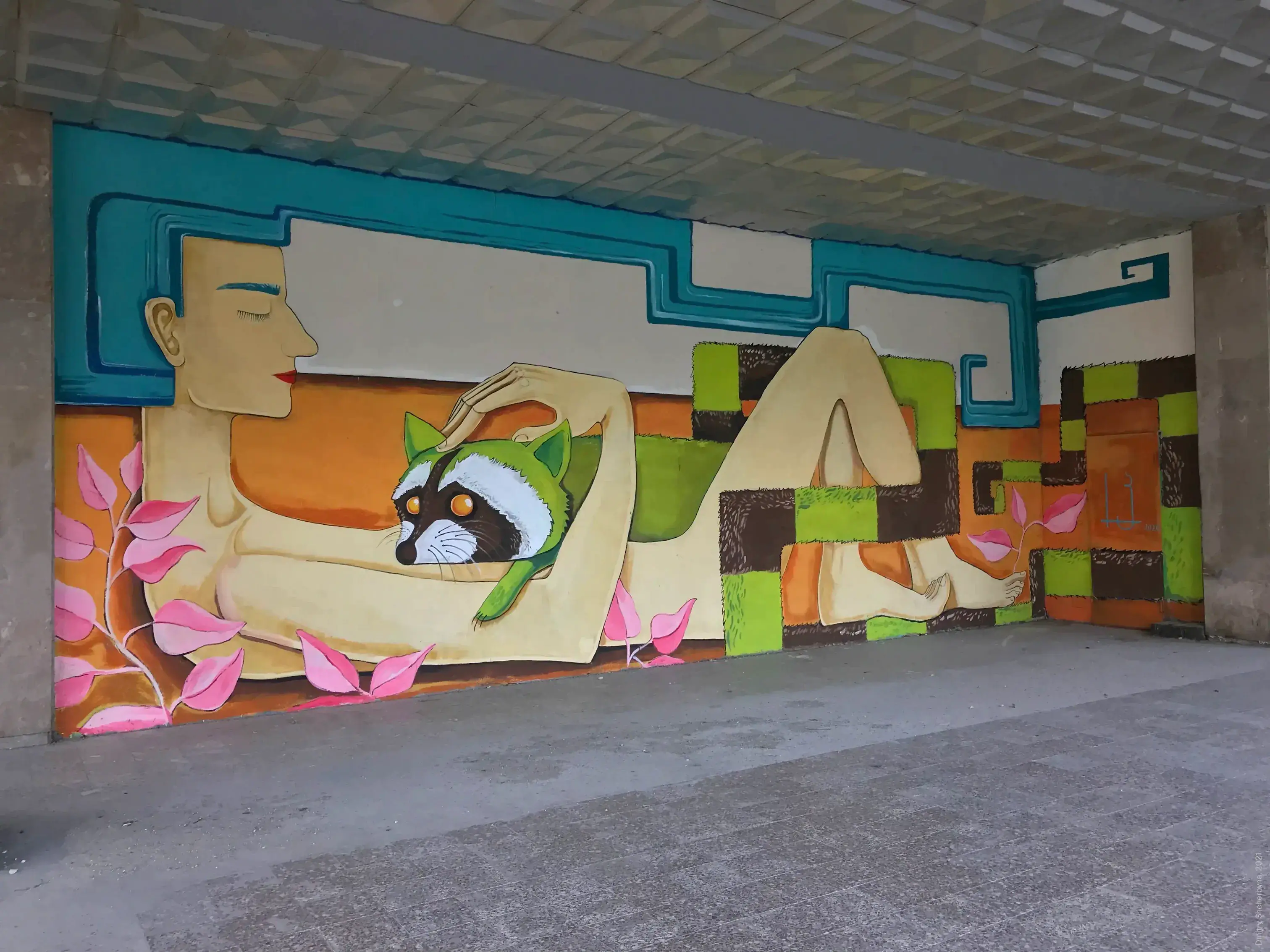
During the early 1980s, galleries began embracing graffiti-inspired work, with artists like Keith Haring and Jean-Michel Basquiat bringing street aesthetics into the mainstream art world. The term “street art” entered broader usage from the late 1980s onward, by which time various styles of the practice had already appeared. Today, it is a powerful movement with a wide range of techniques represented by a multitude of artists globally.
Nowadays, street art methods of expression are acknowledged as a full-fledged form of modern culture, but the level of formal acceptance varies widely worldwide. More than half a century has passed since the rise of name-based tagging, pioneered by Darryl McCray — better known as “Cornbread.” What began on city walls has now entered galleries and museums, contributing to establishing street art as a complex and influential art form.
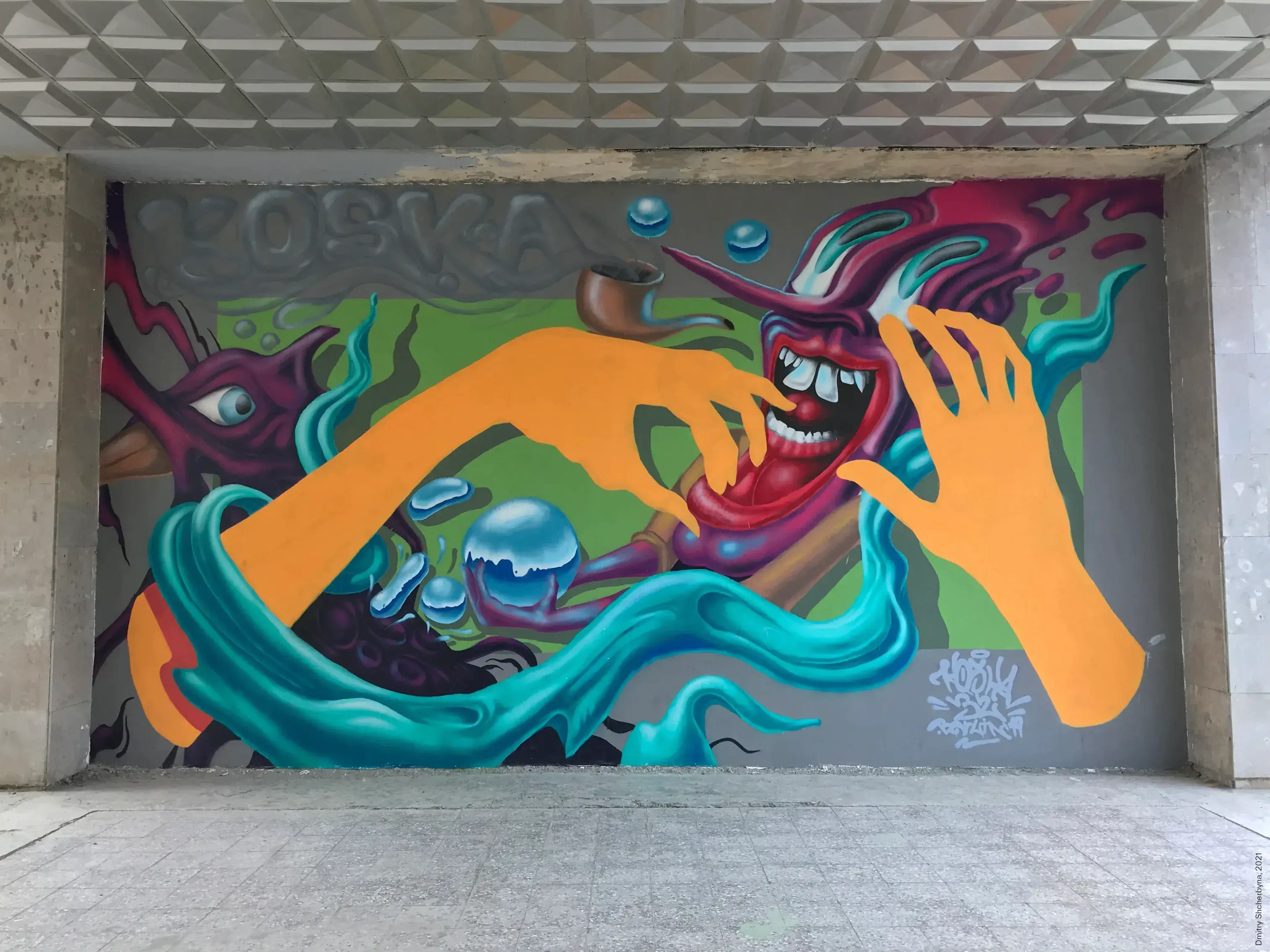
Abstract lettering and stencil work, murals, optical illusions, digitized video projection, and various figurative techniques are just part of the ways contemporary artists diversify the urban environment. Through a mix of murals, graffiti, and stencil art, the streets of Georgian cities showcase a broad spectrum of different works that influence their evolving visual identity.
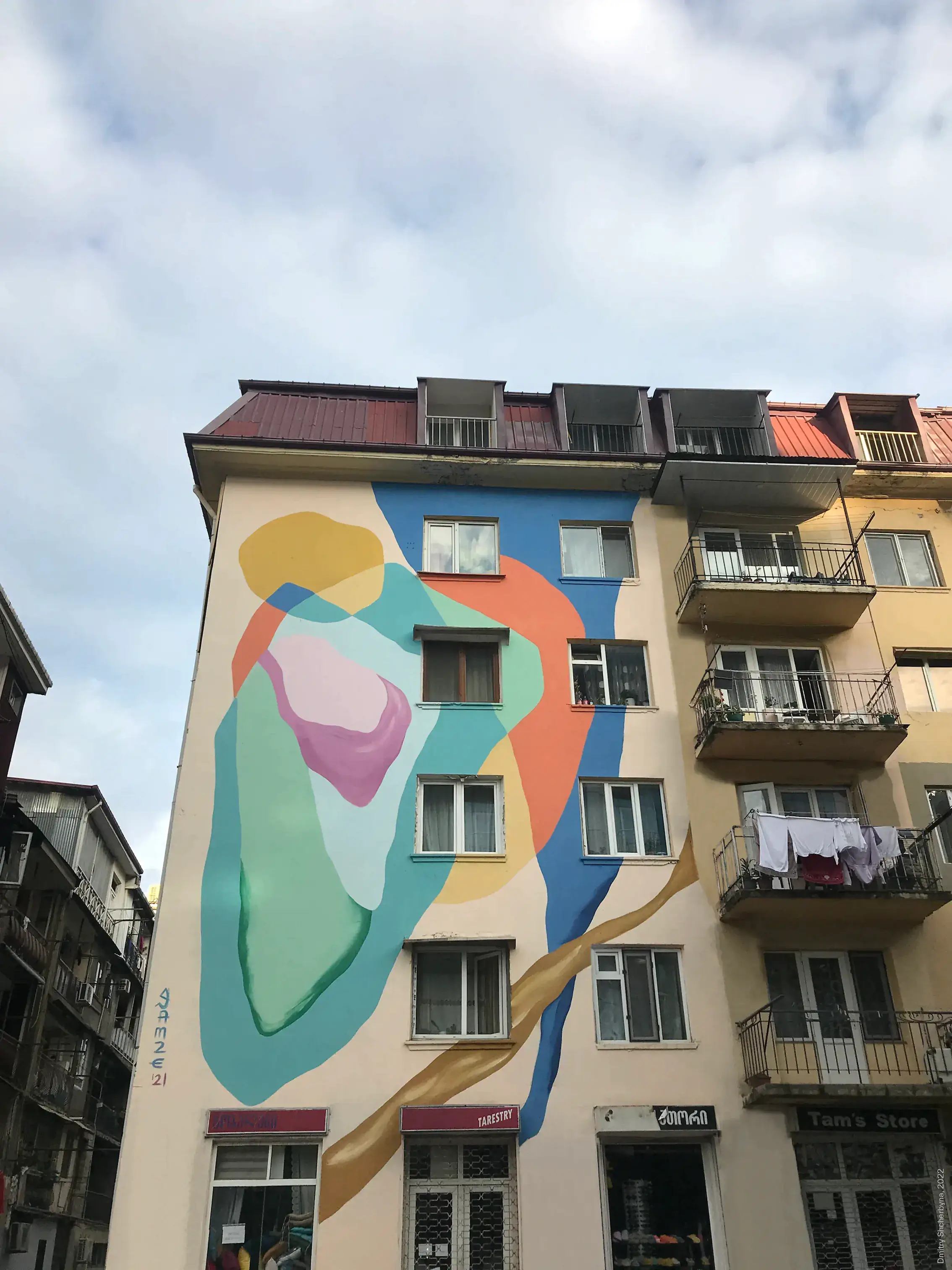
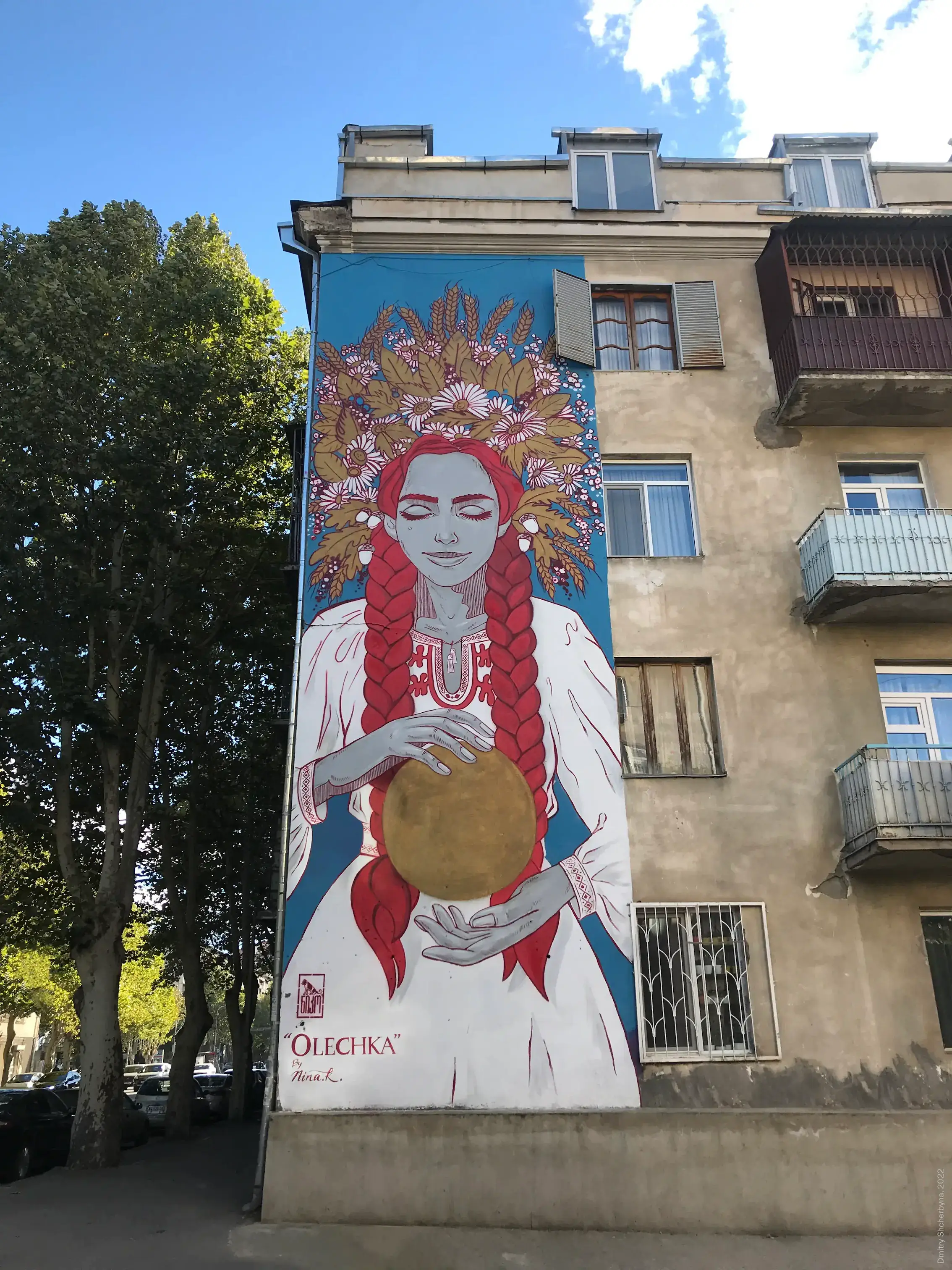
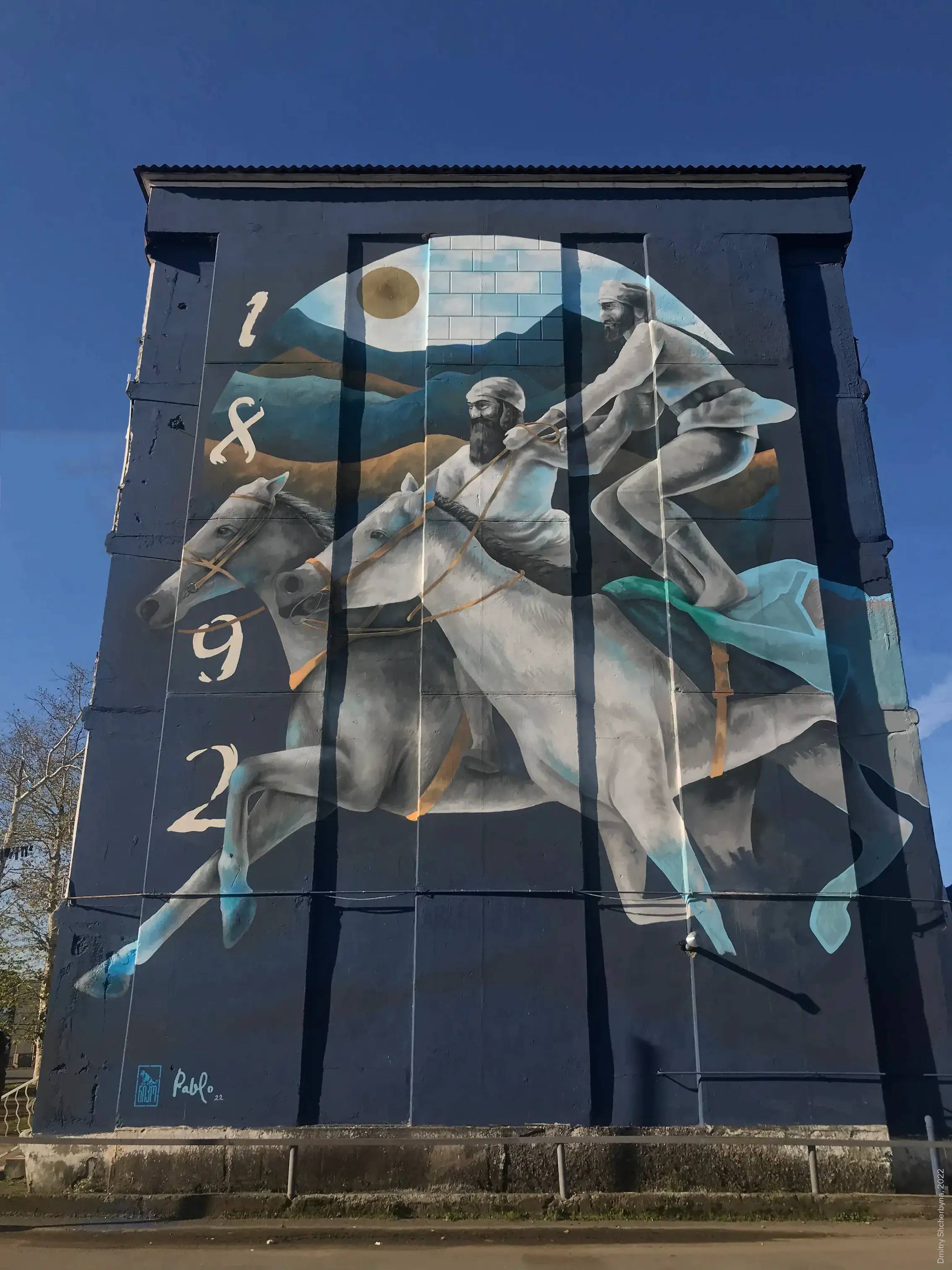
Mural painting is popular in Georgia, and many works are large-scale murals that cover entire buildings. Artists approach each facade thoughtfully, considering the surface, the structure, and the context of the surrounding neighborhood.
When it comes to stencil art, this technique involves creating stencils made out of paper, cardboard, or other media and then using spray paint or roll-on paint. Sometimes, multiple layers of stencils are used to add color or an illusion of depth.
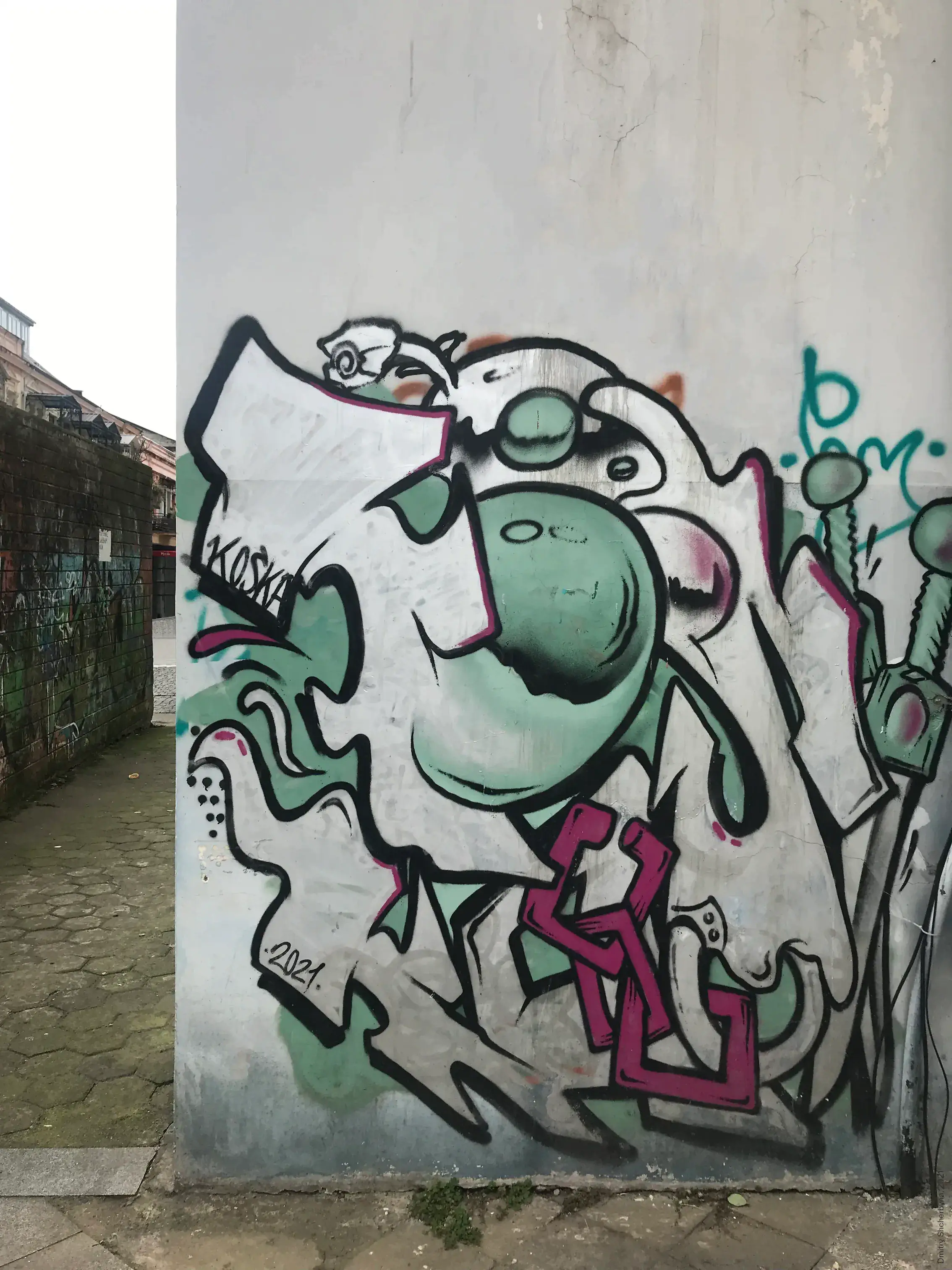
Graffiti is writing, drawing, or other markings made on surfaces, often in public spaces, using spray paint or markers, though it can also be scratched or etched. It ranges from simple inscriptions to large paintings and serves different purposes: tagging, territorial marking, political commentaries, or can be used to convey what can’t be said politely and feels urgent or personal.
Murals contribute to the evolving visual identity of the city, adding new symbolic and aesthetic layers to its urban fabric. Many reflect broader societal changes and ongoing challenges within contemporary society. In this way, the city increasingly becomes a space where muralists articulate distinct cultural visions. Artists subtly reinterpret the boundary between public and private, framing the city as a shared cultural space.
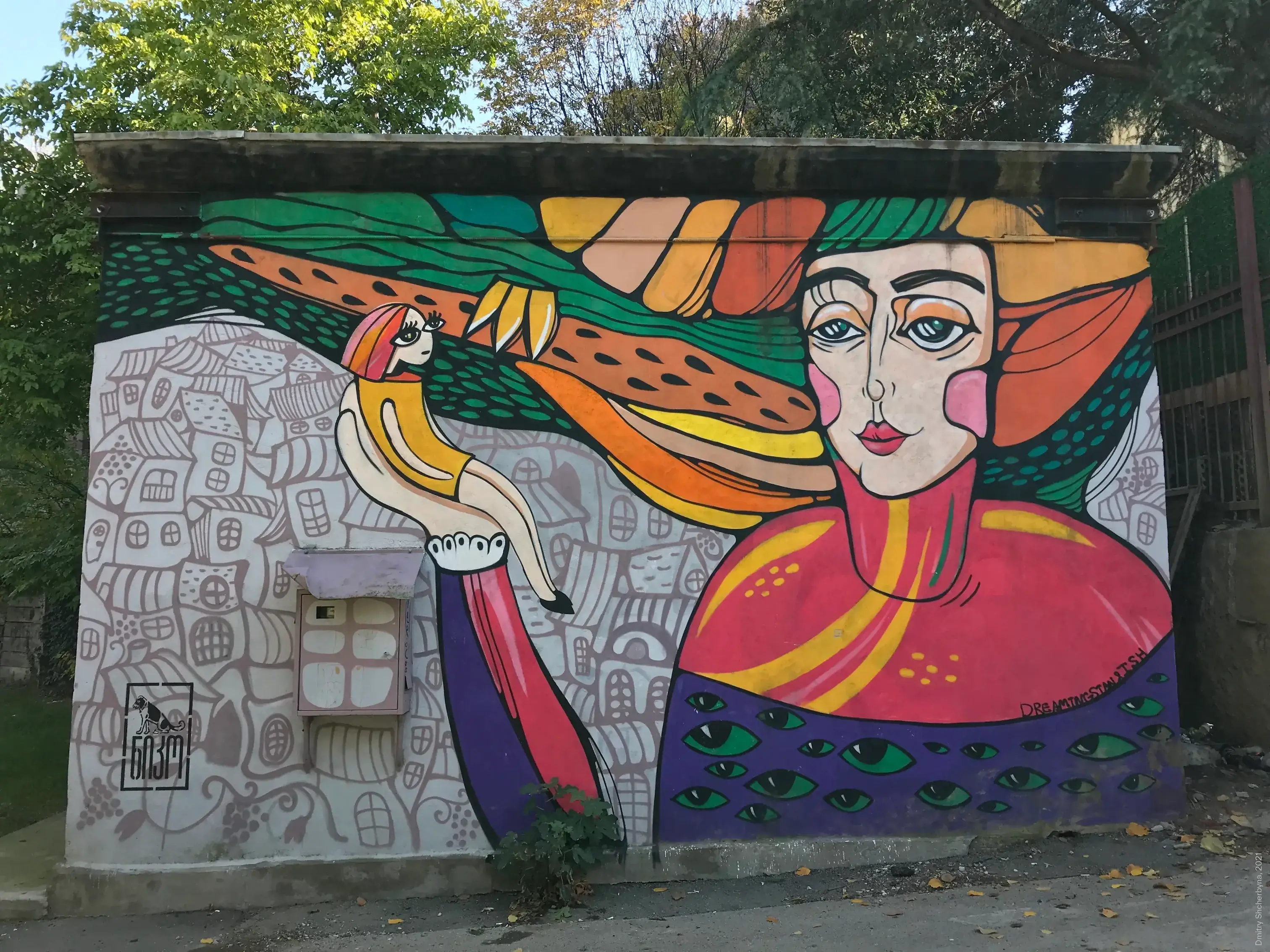
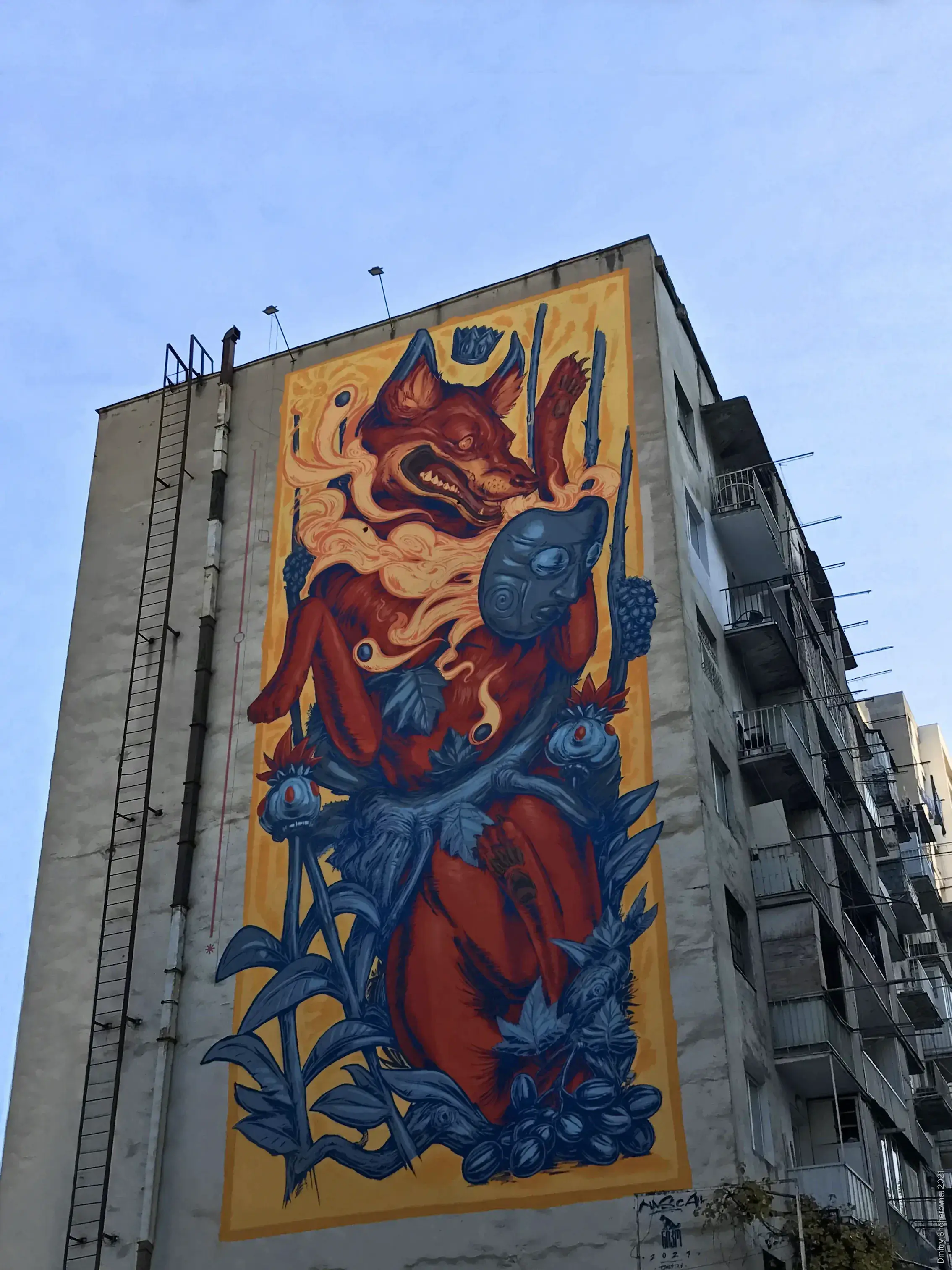
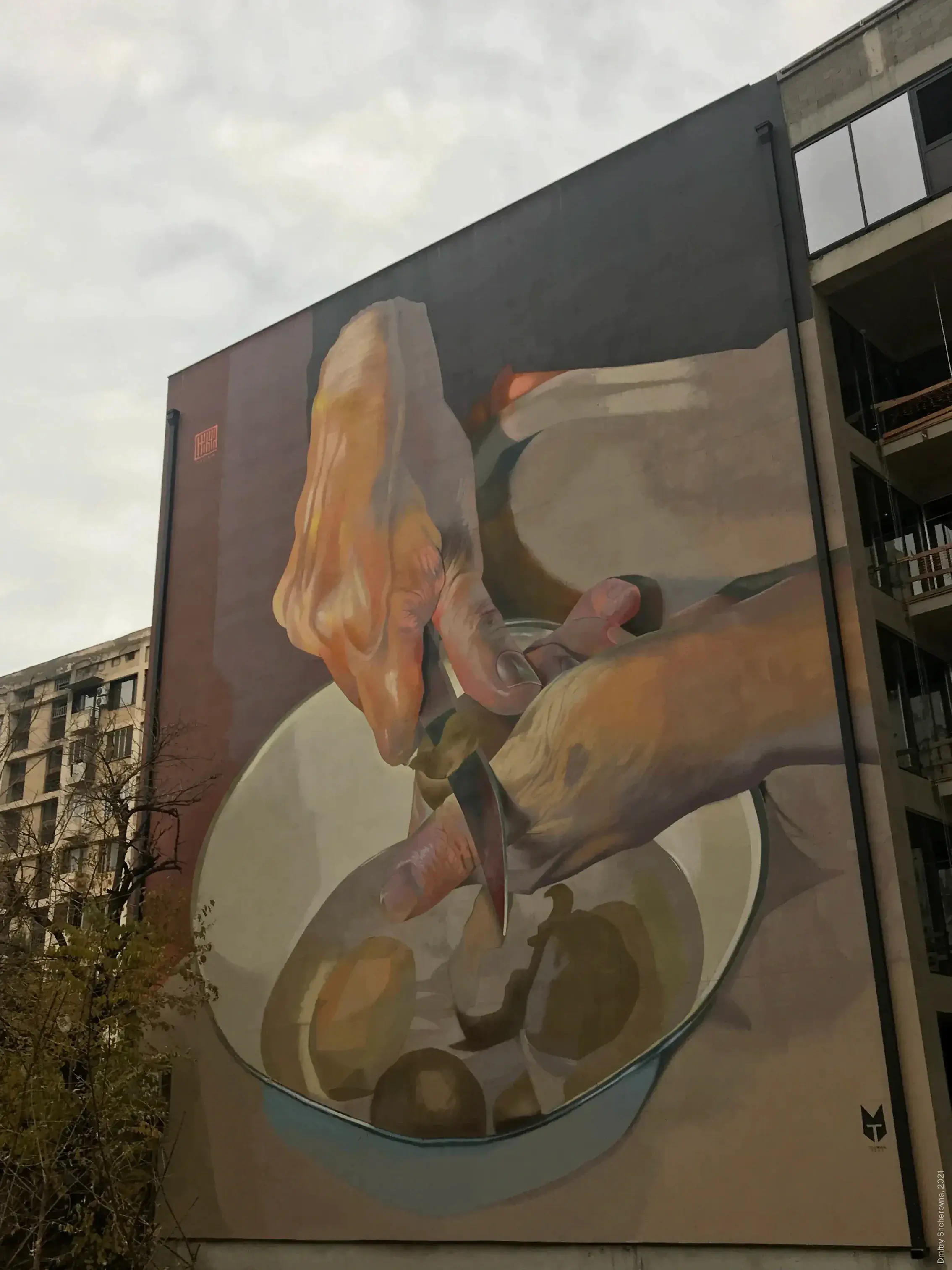
Painting on walls without permission is illegal in Georgia and can lead to fines, with the subject matter sometimes affecting the severity of the response. While early street artists often worked secretly, today most murals are created during sanctioned festivals or commissioned projects, where artists receive permission to paint on specific buildings. During the last ten years, new artworks on the streets have become a part of cities’ identity.
The widespread distribution of street art has prompted many countries to enact specific legislation regulating various aspects of this artistic phenomenon within public spaces. Public perception remains diverse: unauthorized tagging may face criticism, while commissioned murals are often widely embraced. Although some works remain unsanctioned, much of the contemporary mural scene operates through legal frameworks.
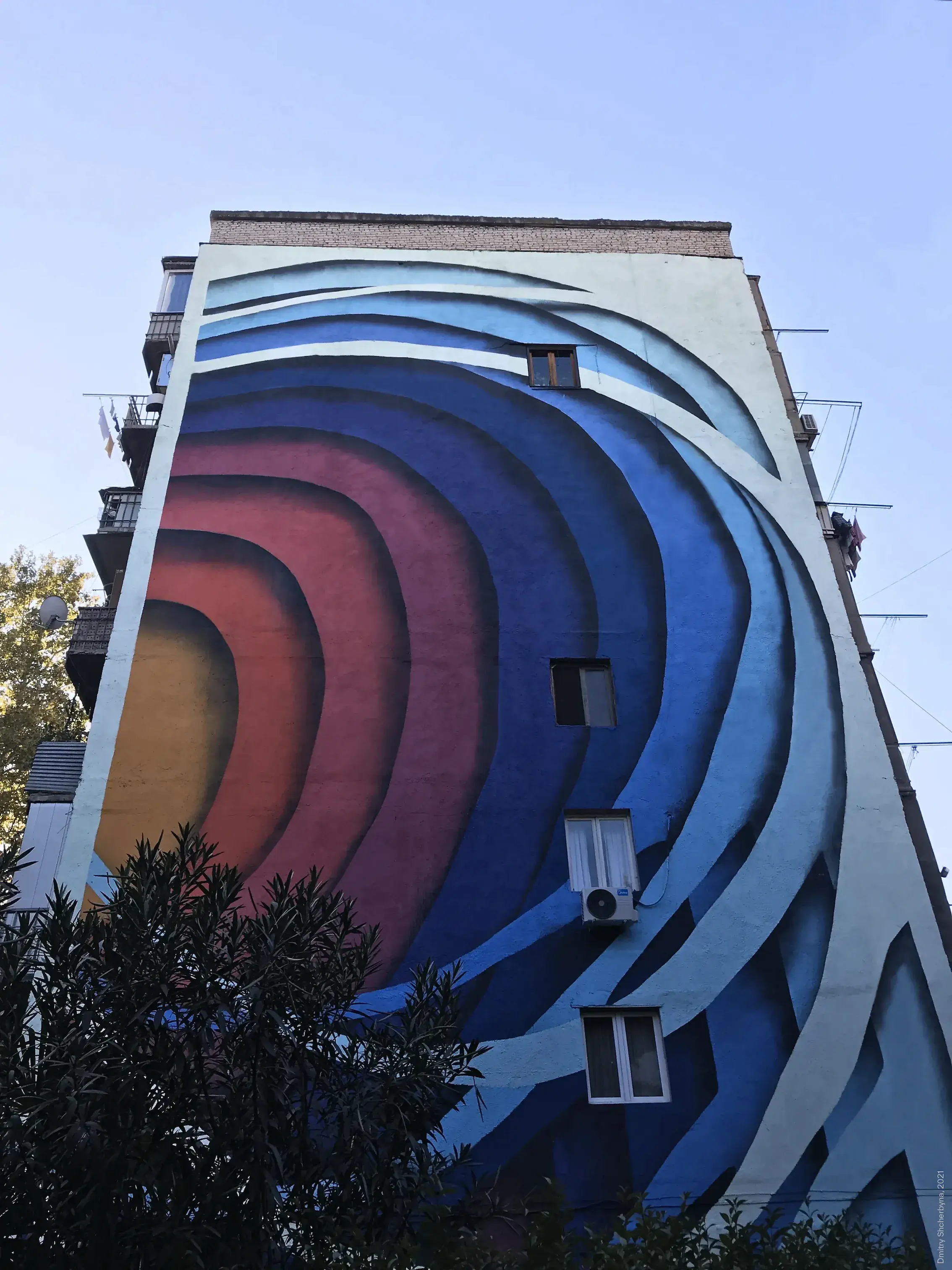
Though graffiti appeared earlier in isolated instances, meaningful growth came in recent years, with organized mural projects expanding strongly in the 2010s. Street art remains relatively new within Georgia’s cultural landscape.
Even though it is a relatively new phenomenon for the country, the early graffiti appeared around the 1990s, and it has already become a significant part of the identity all around the country. Especially in a couple of districts in the capital.
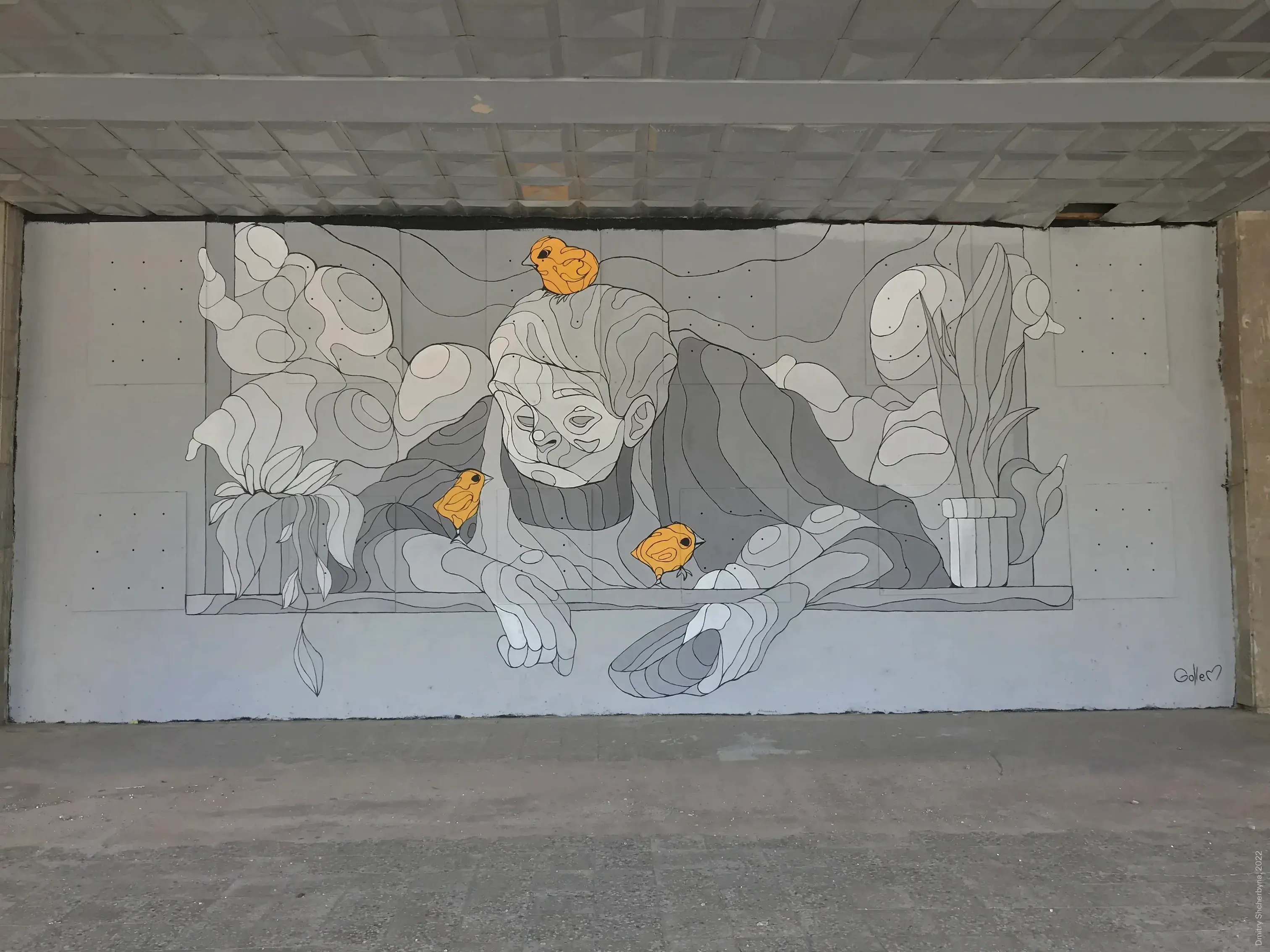
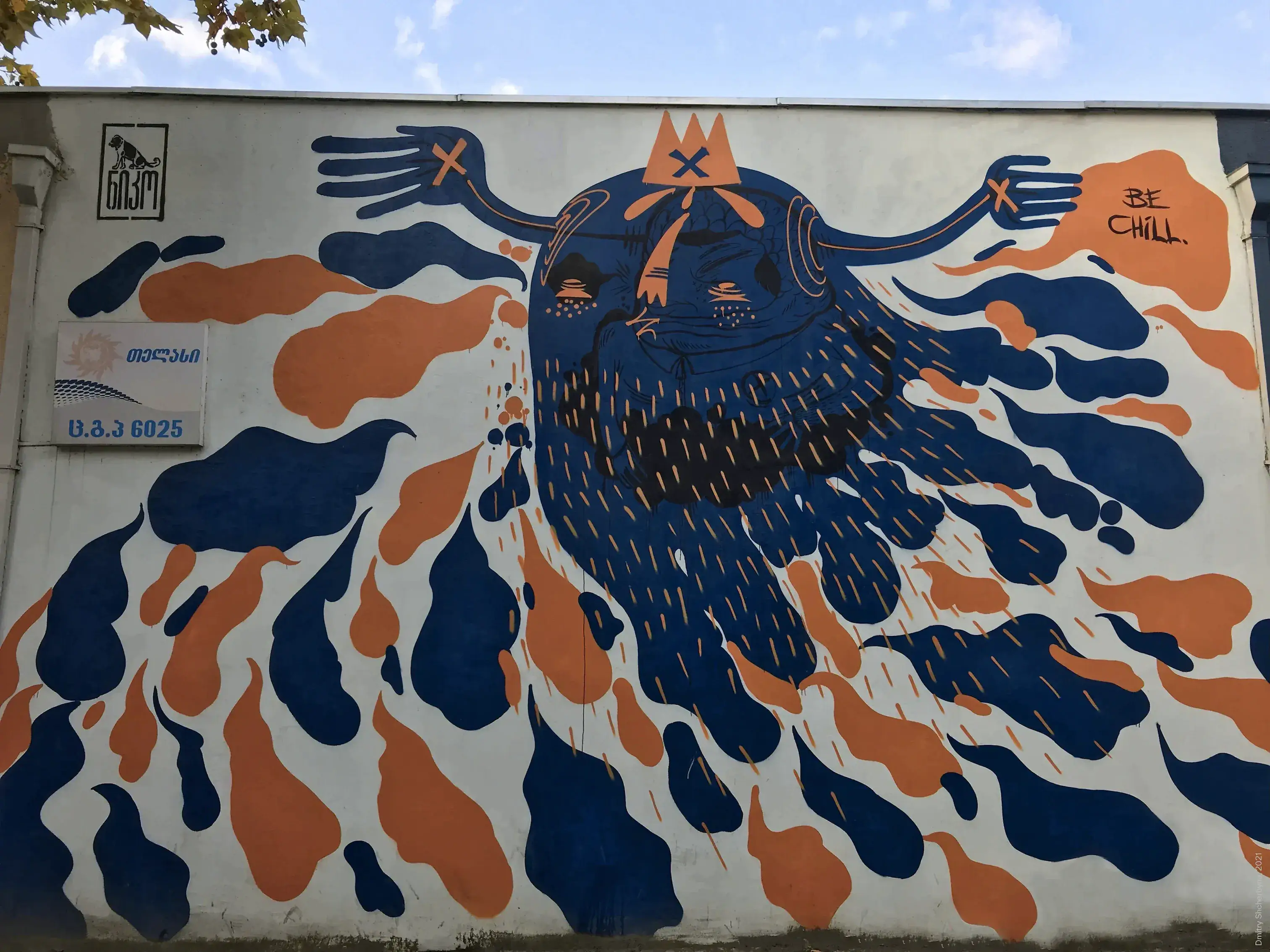
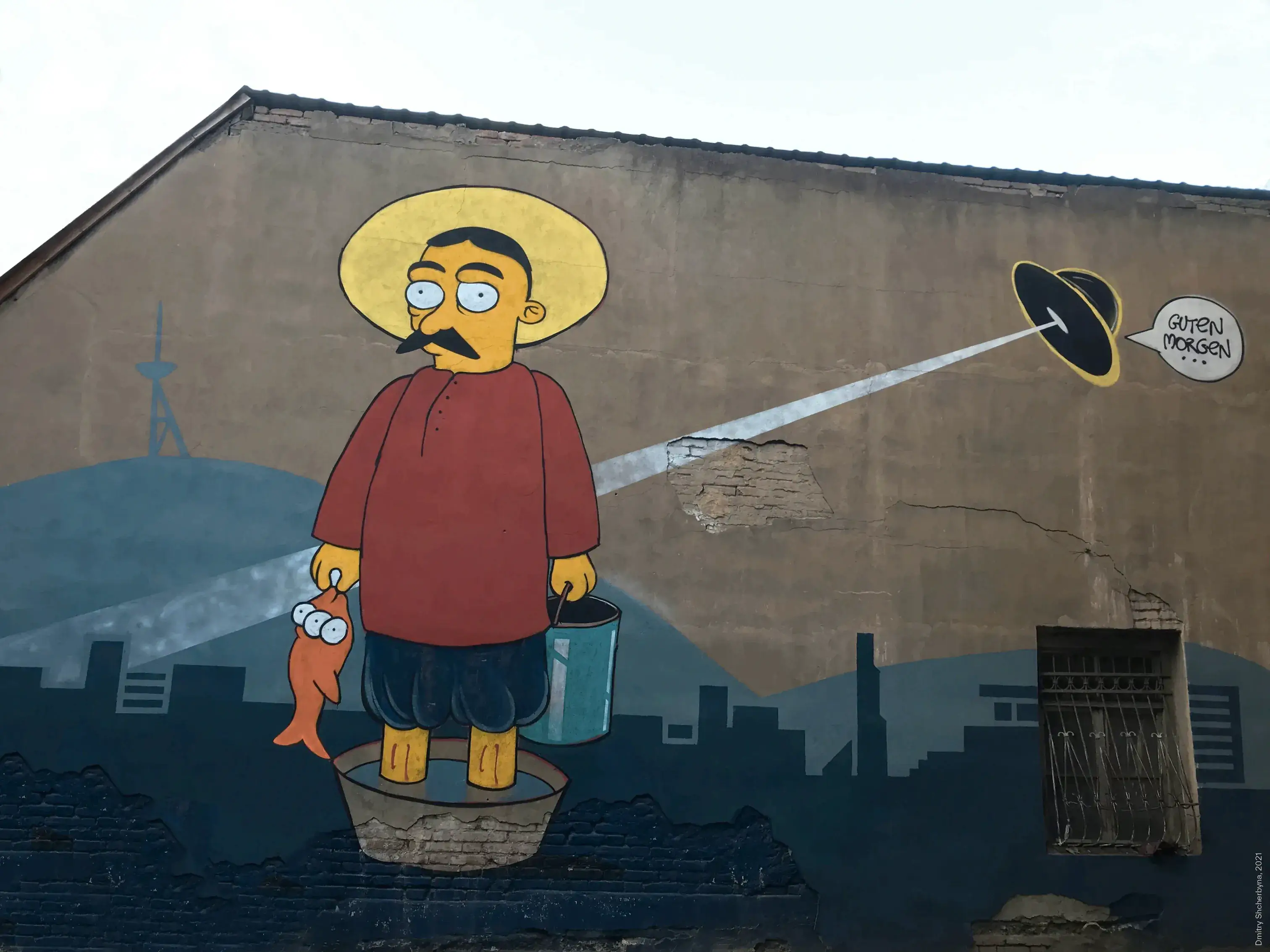
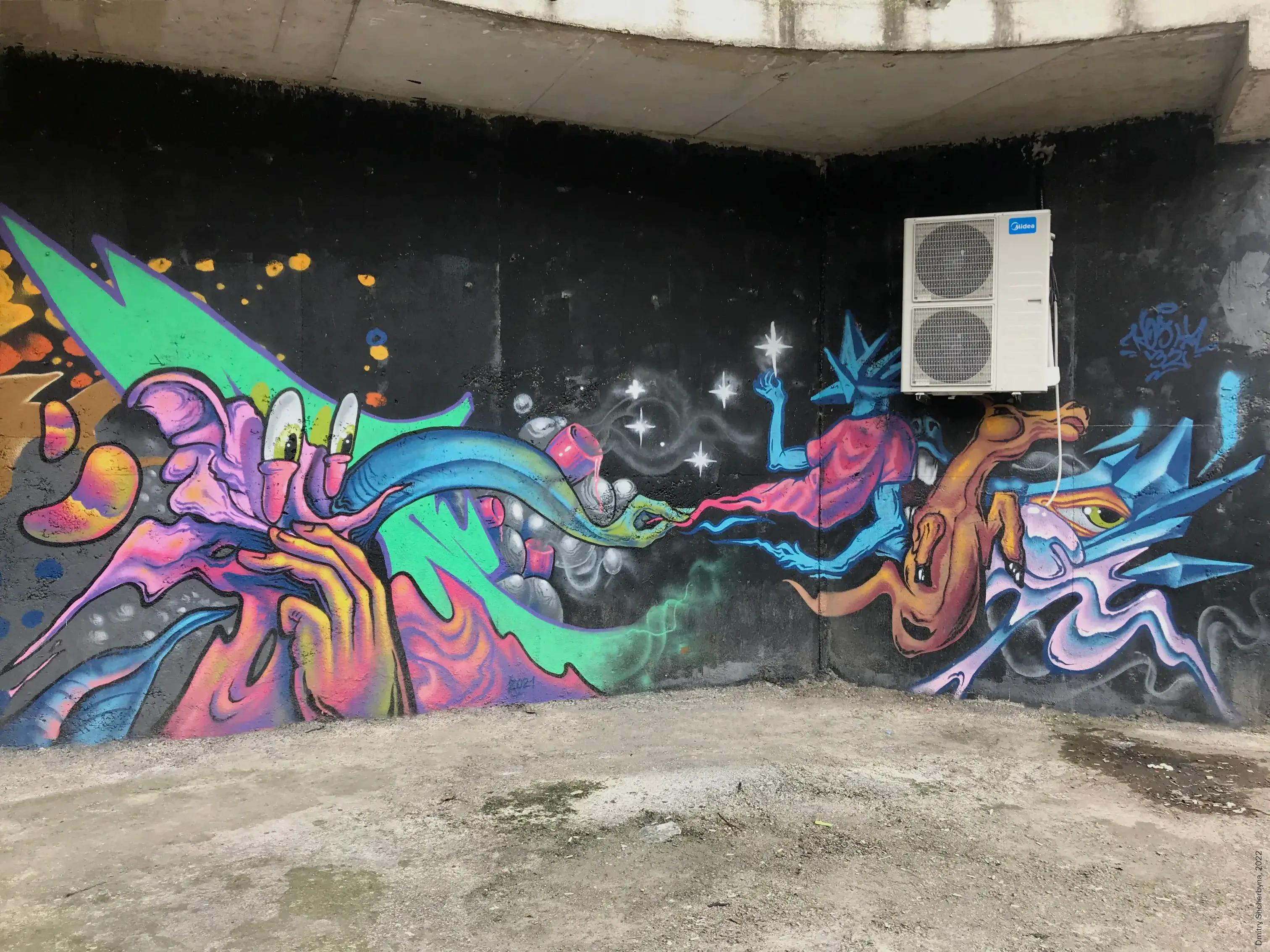
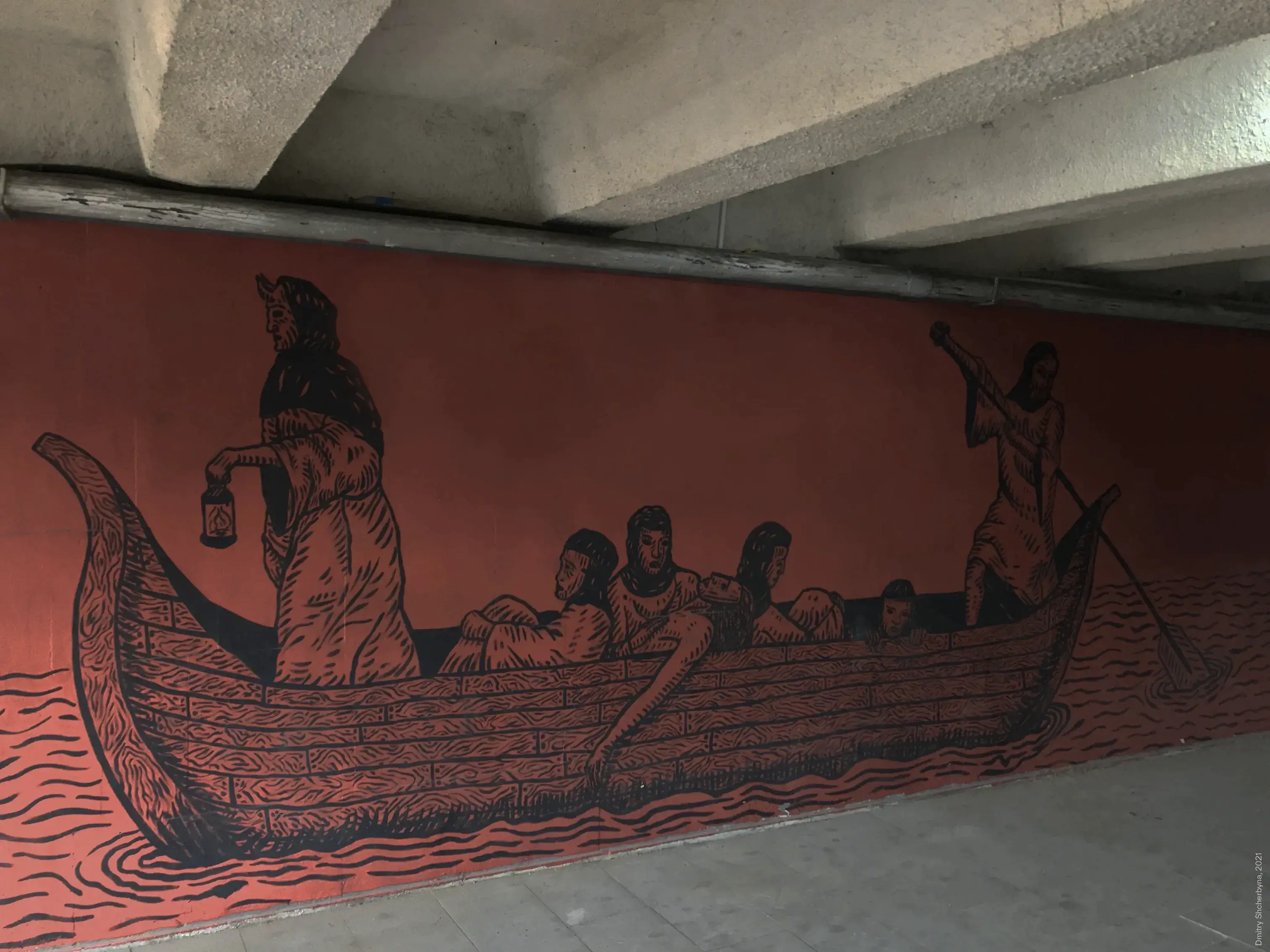
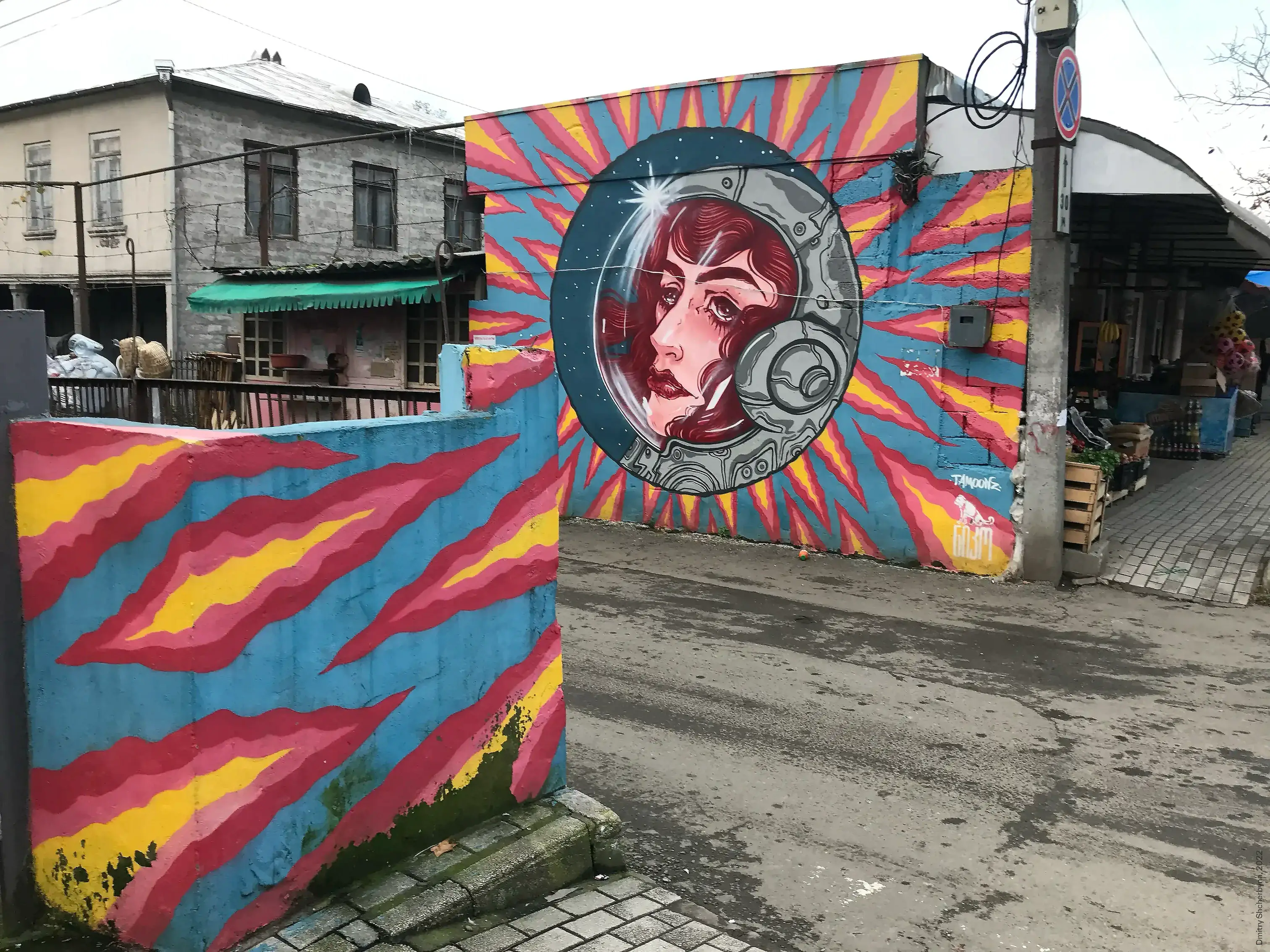
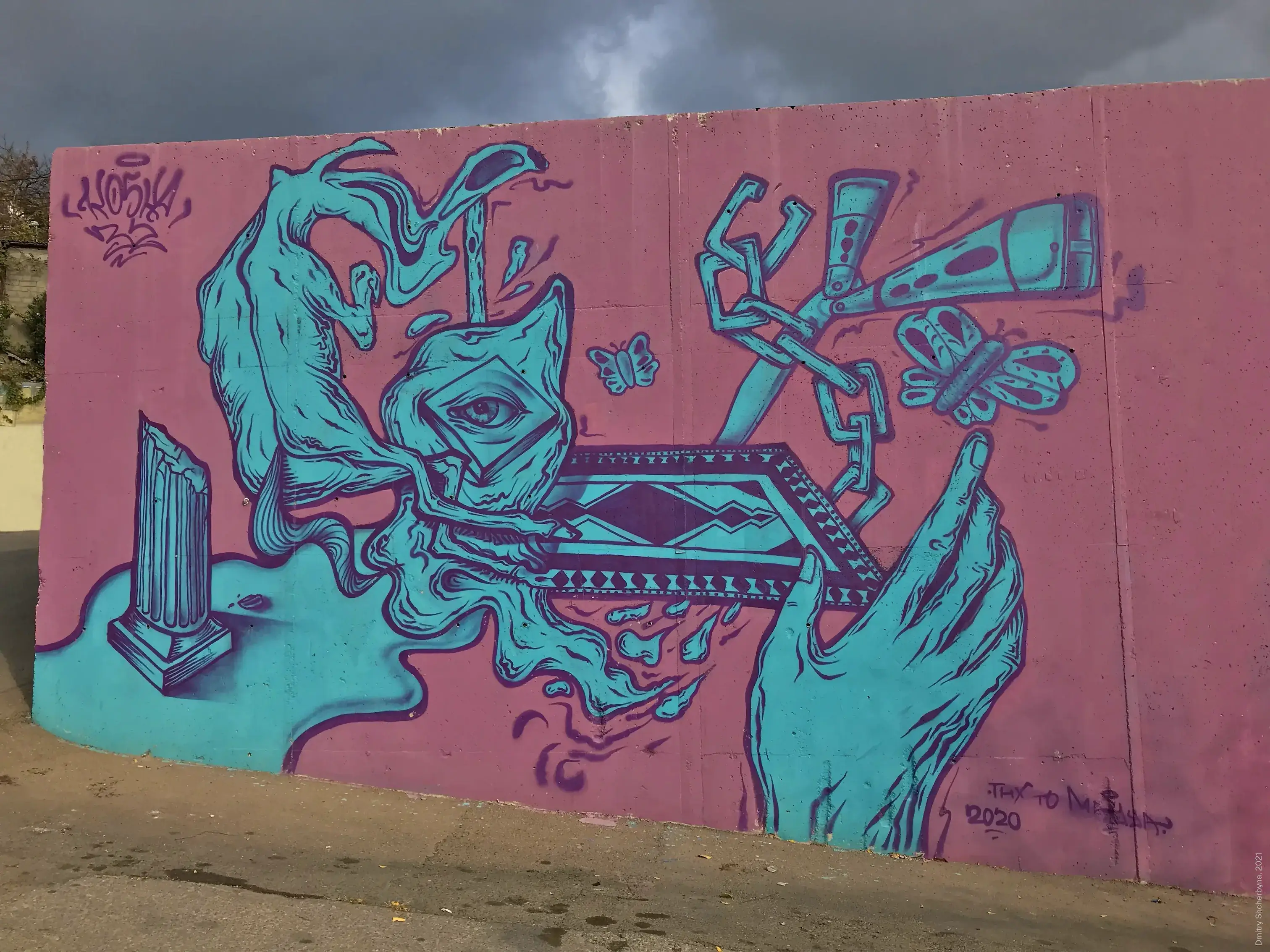
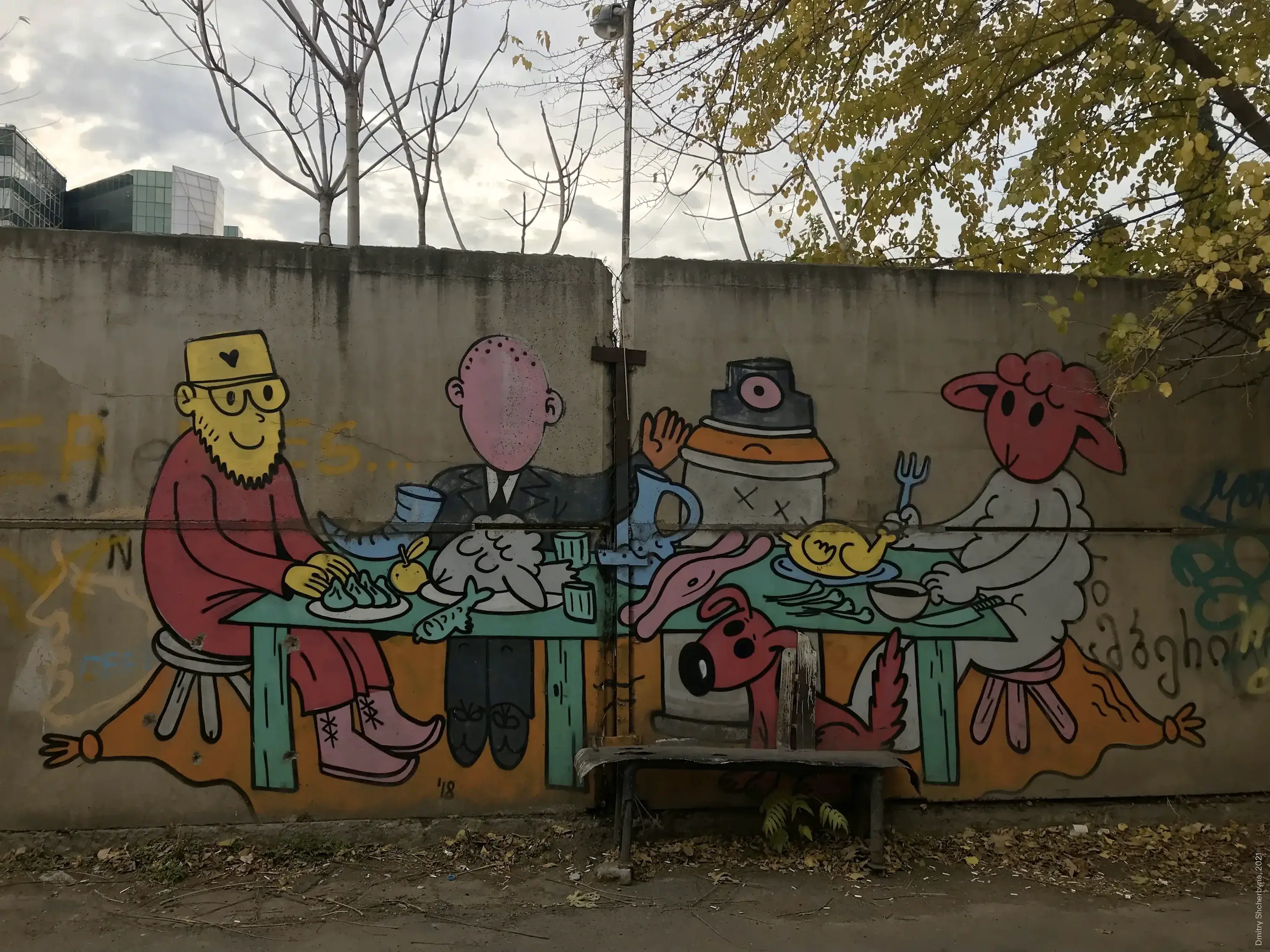
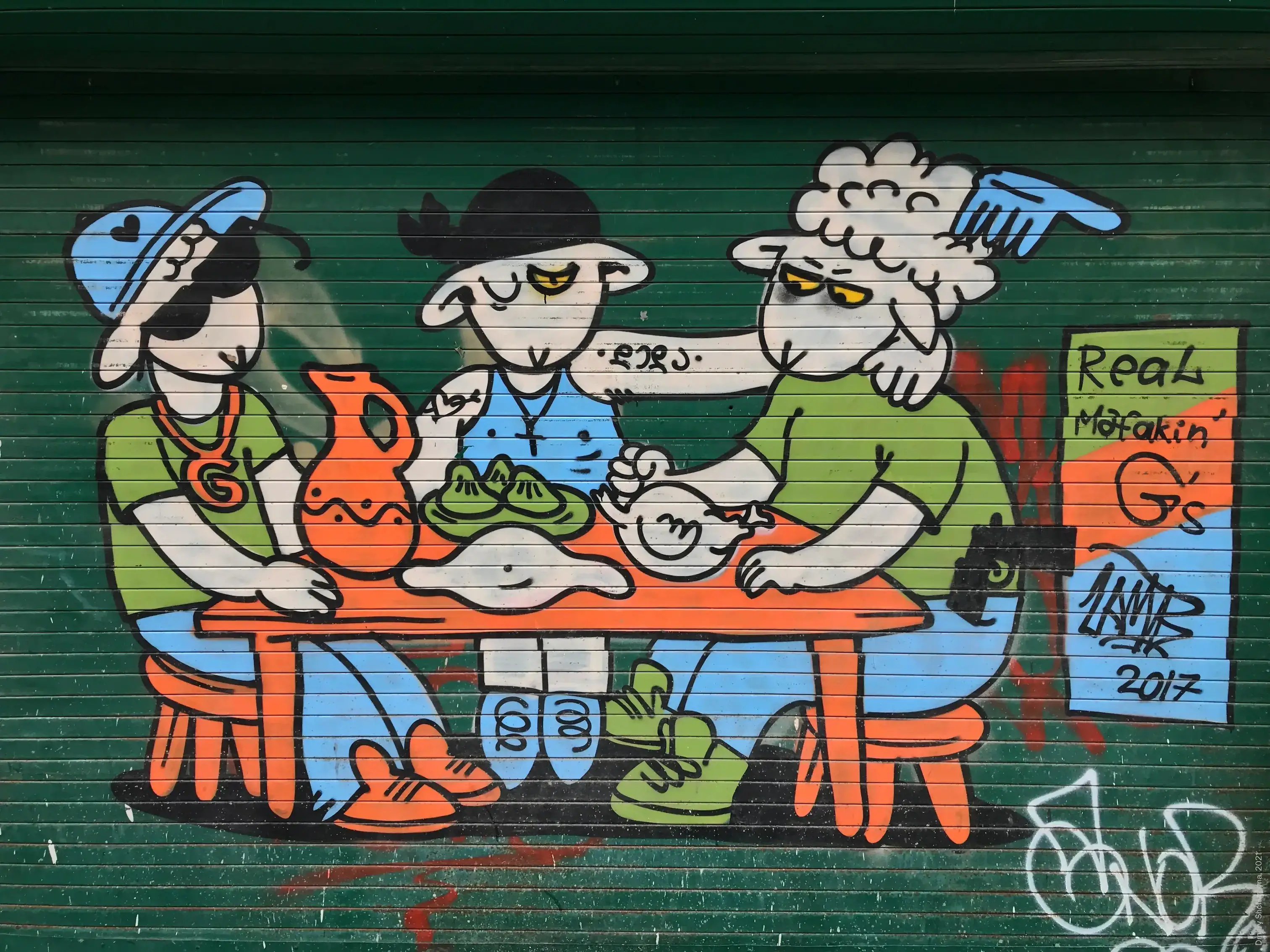
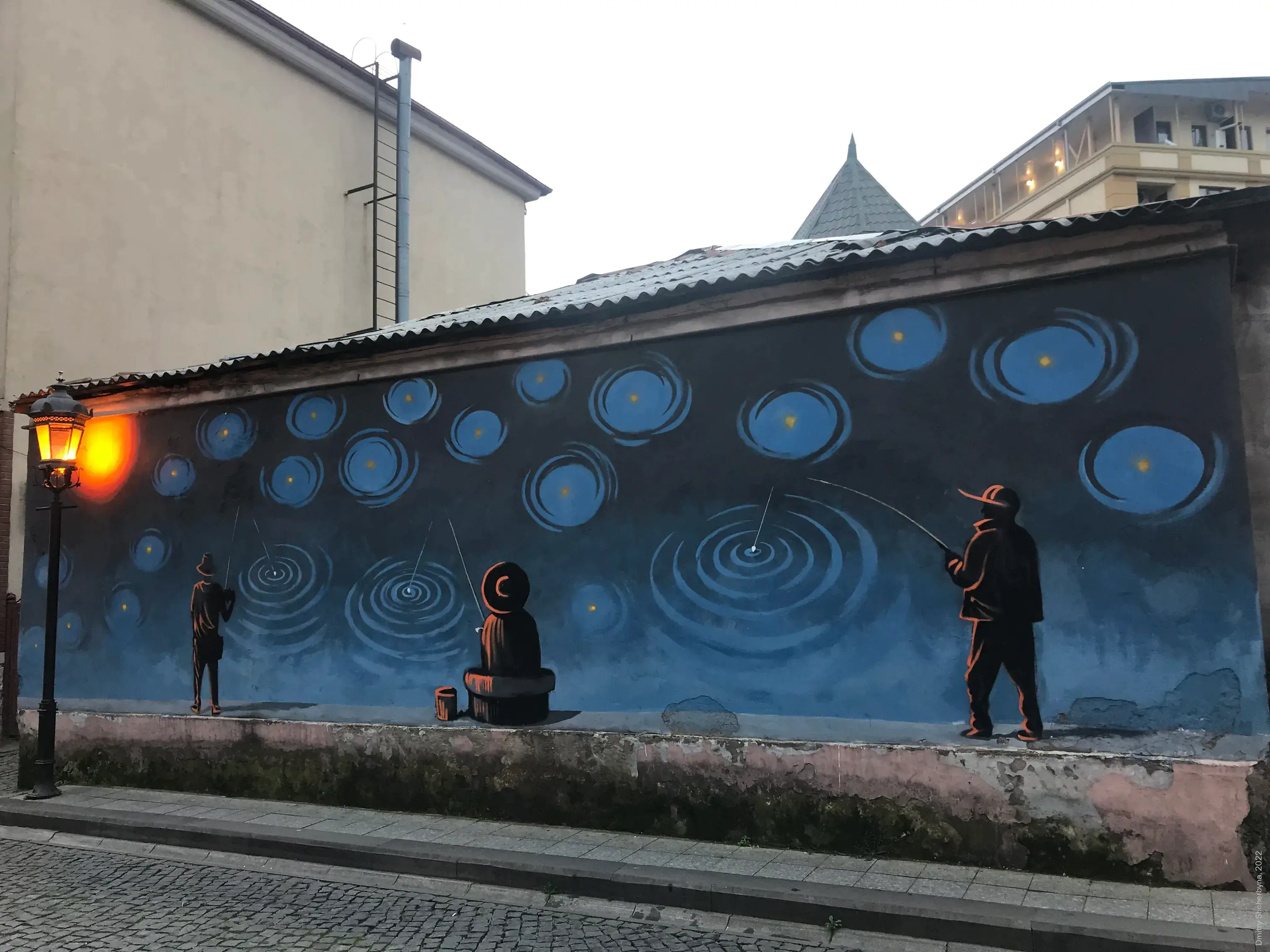
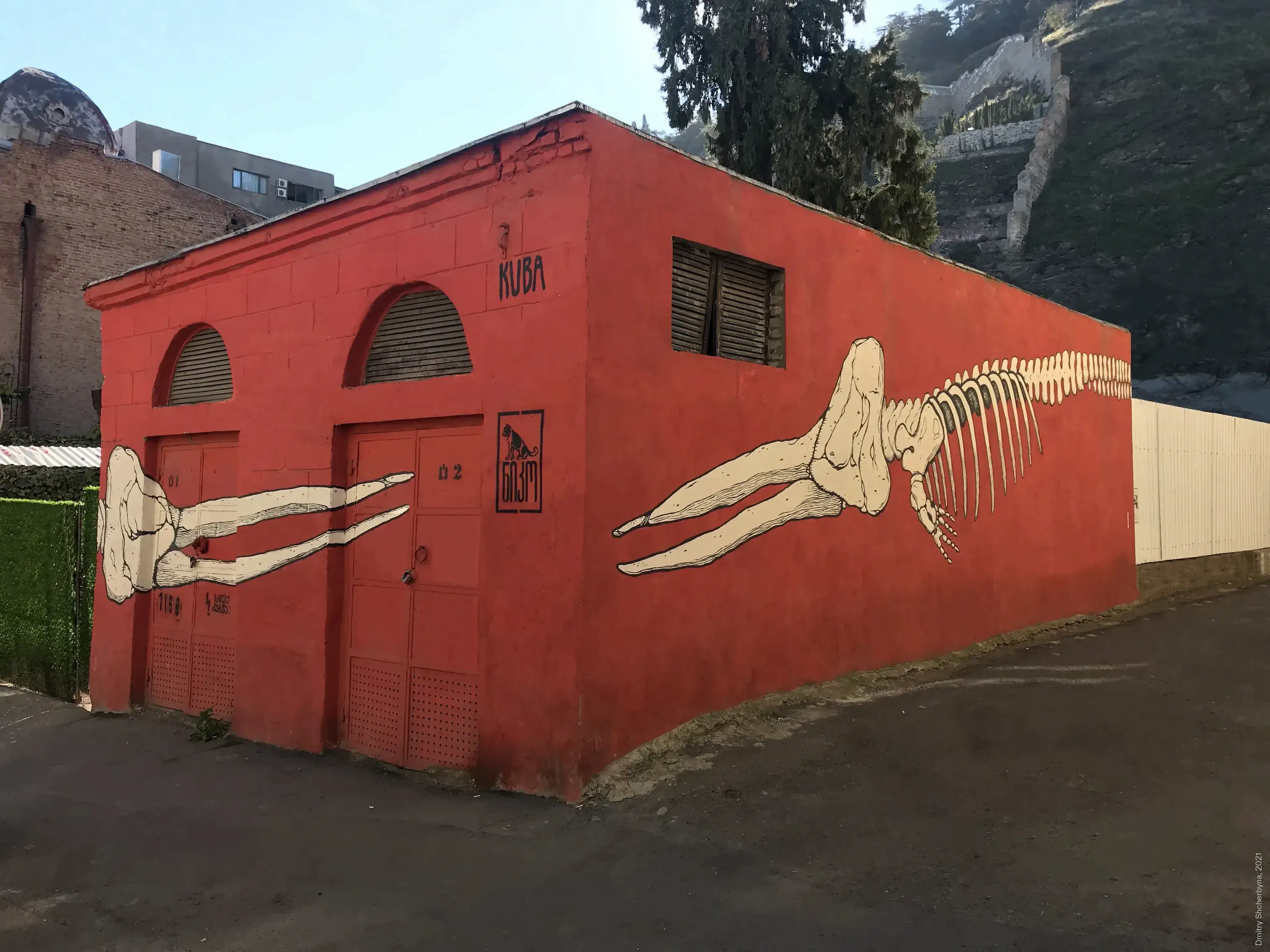
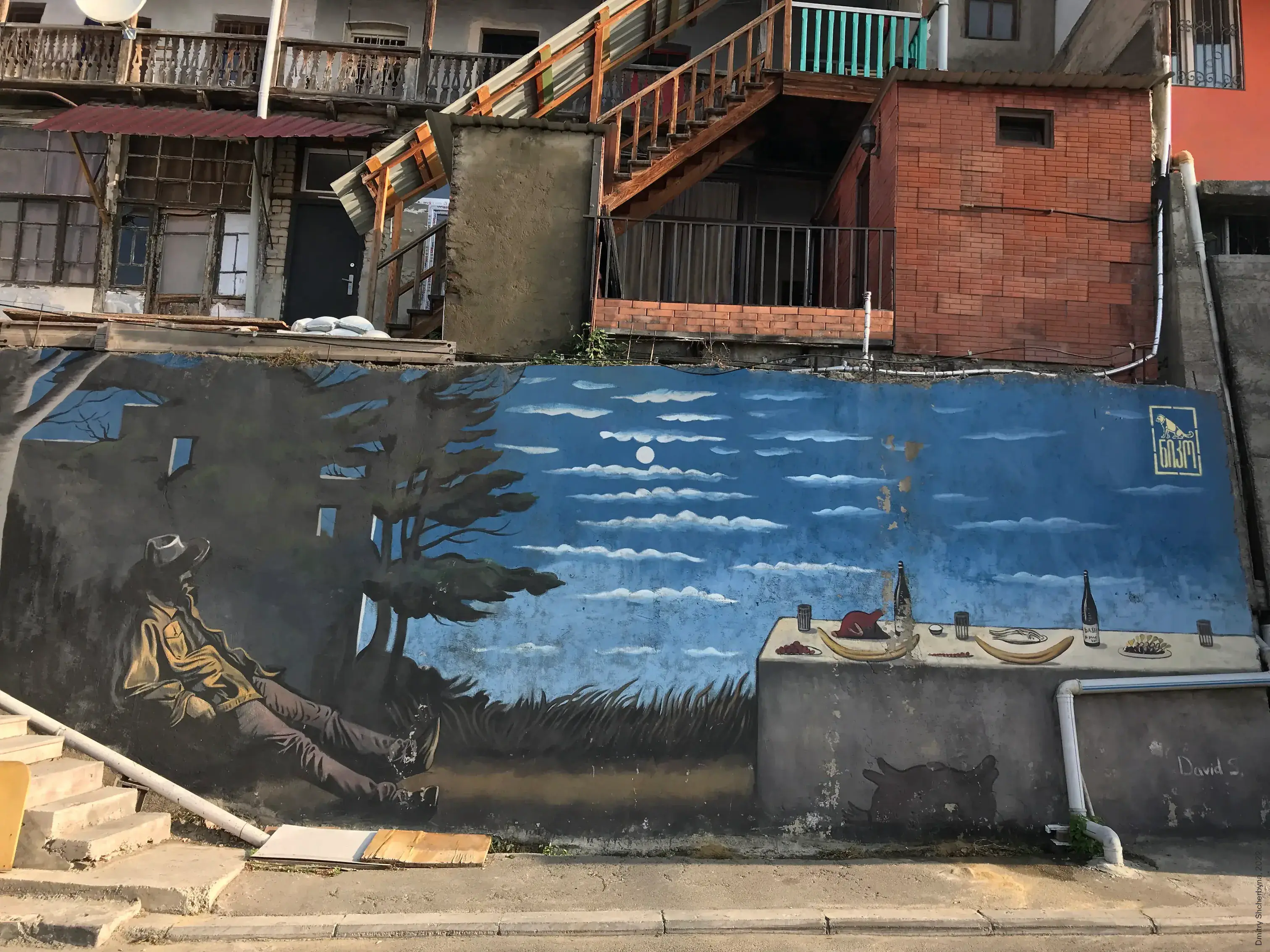
As a result, the scale brings these works to the status of urban planning dominance and might improve navigation in the typical panel architecture of residential buildings. Contemporary Georgian authors also paint their works in small towns all over the country, transforming places. This makes the perception of large-scale street art possible not only in the capital and its suburbs.
Despite preconceptions associated with street art, societal perceptions are gradually changing. Its rising popularity has attracted the interest of the private sector and local governments, which are seeking to recruit muralists for corporate and municipal projects. Right now, over 100 murals have been painted across Tbilisi, among the authors are a lot of famous foreign and local artists.
Street art can be found in cities such as Batumi, Kutaisi, Ozurgeti, Poti, and Rustavi. The number has increased in recent years. This is almost always the direct result of the organizational initiatives of enthusiasts and artists themselves. Many of these artists possess significant international experience and established, recognizable techniques that manifest clearly in their practices.
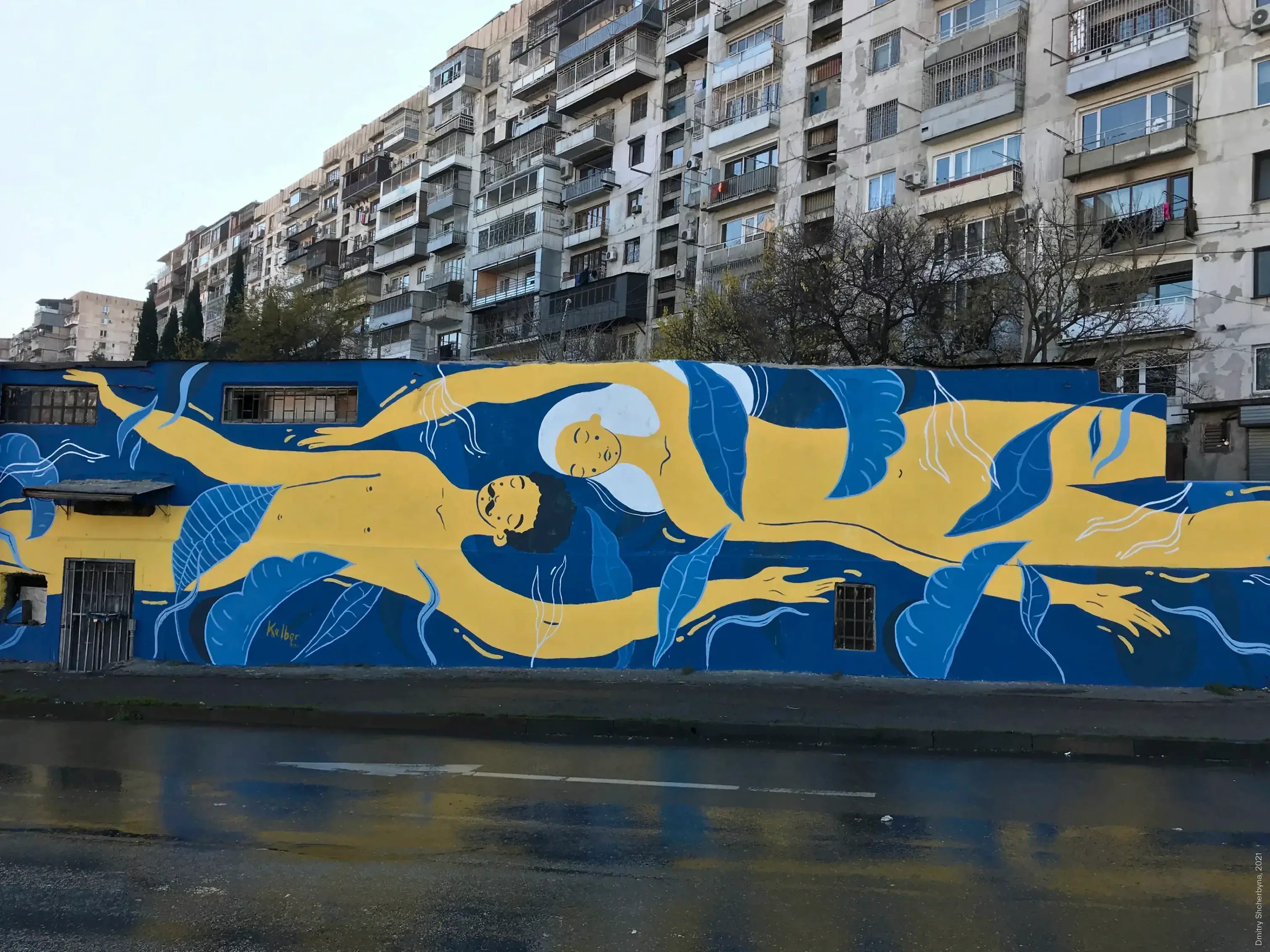
Despite the multilingual nature of the local street art scene, it can happen that there is little context that could provide the basis for interpretation. In addition, some street artists hide their identity, thus making it more difficult to establish consistency concerning themes and style in their works.
However, the challenges do not diminish the role street art plays in the formation of the urban linguistic landscape of the cities.
Concerning anonymity, it allows some artists to have a possibility of self-expression without fear of being under any pressure.
Street art has a rich yet contentious history, as its very nature has sparked ongoing debates about whether it qualifies as legitimate artistic expression or should be viewed merely as an act of vandalism. Nowadays, the appearance of most murals is the result of the artist's contract with the authorities and house residents as the implementation of such plans requires a lot of time and an abundance of painting materials; it is impossible without the use of additional technical means (like auto-lift, etc.) and other difficulties.
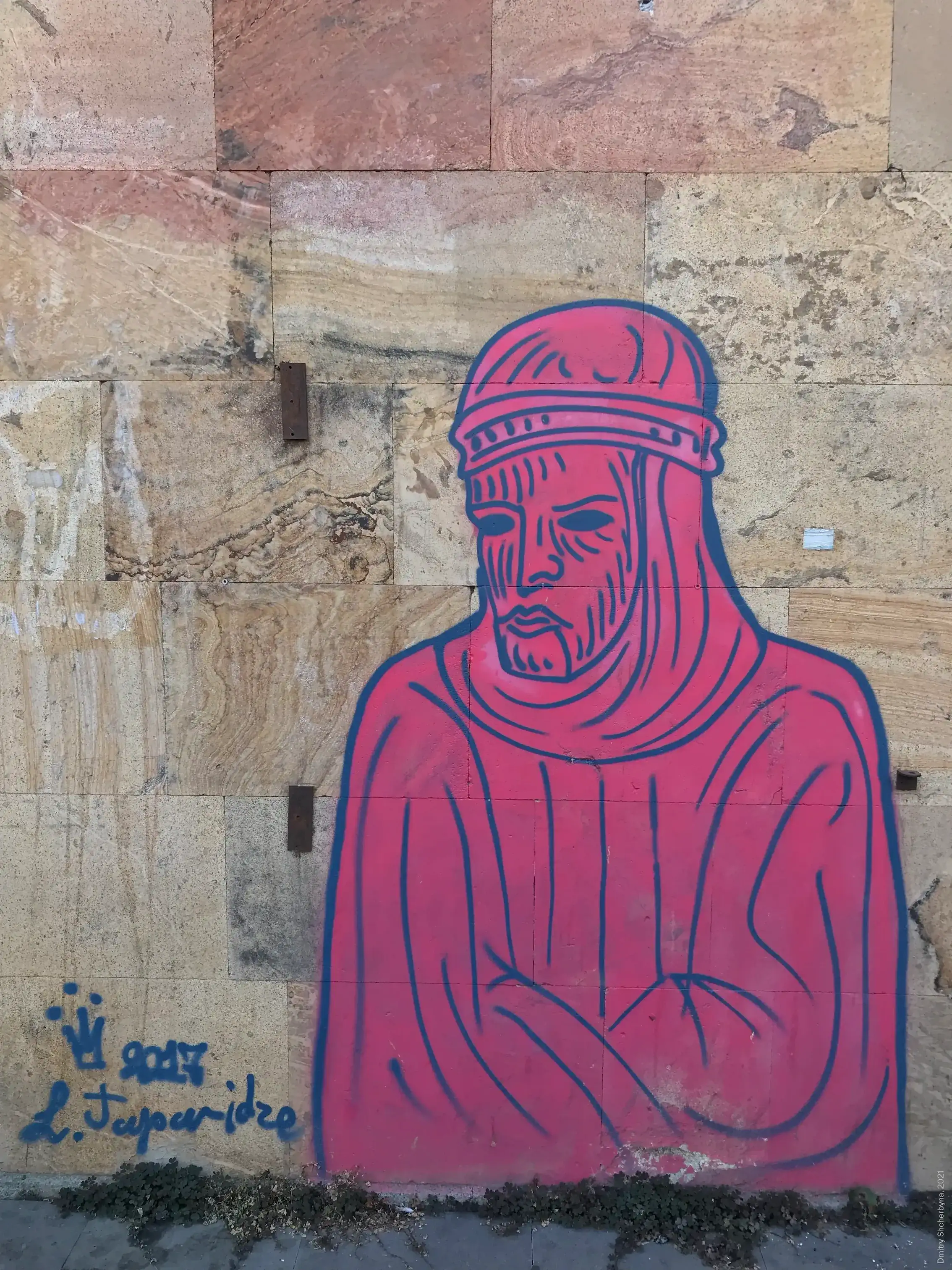
Murals have become powerful tools for transforming neighborhoods and diluting visual corporate control of the urban environment.
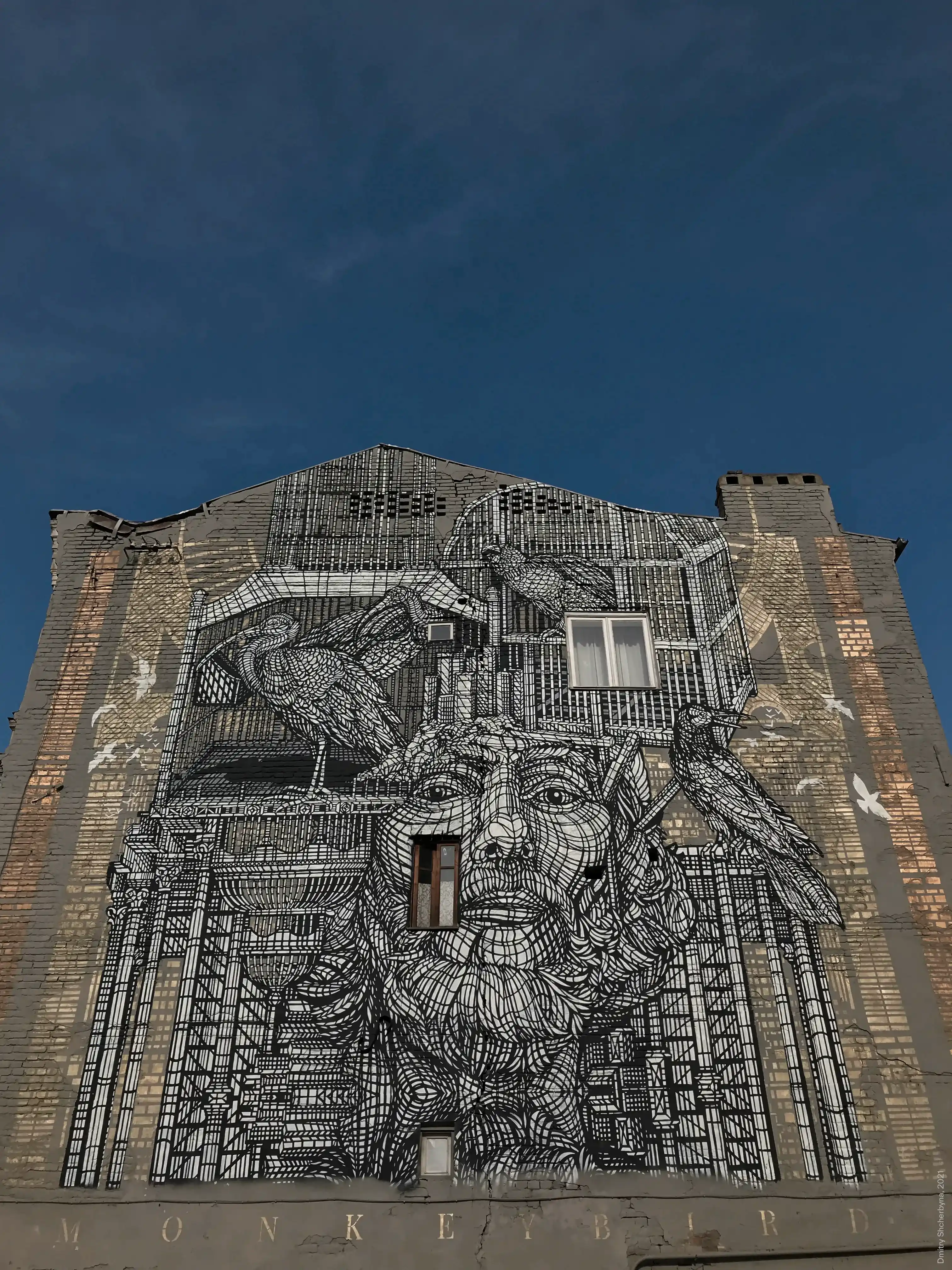
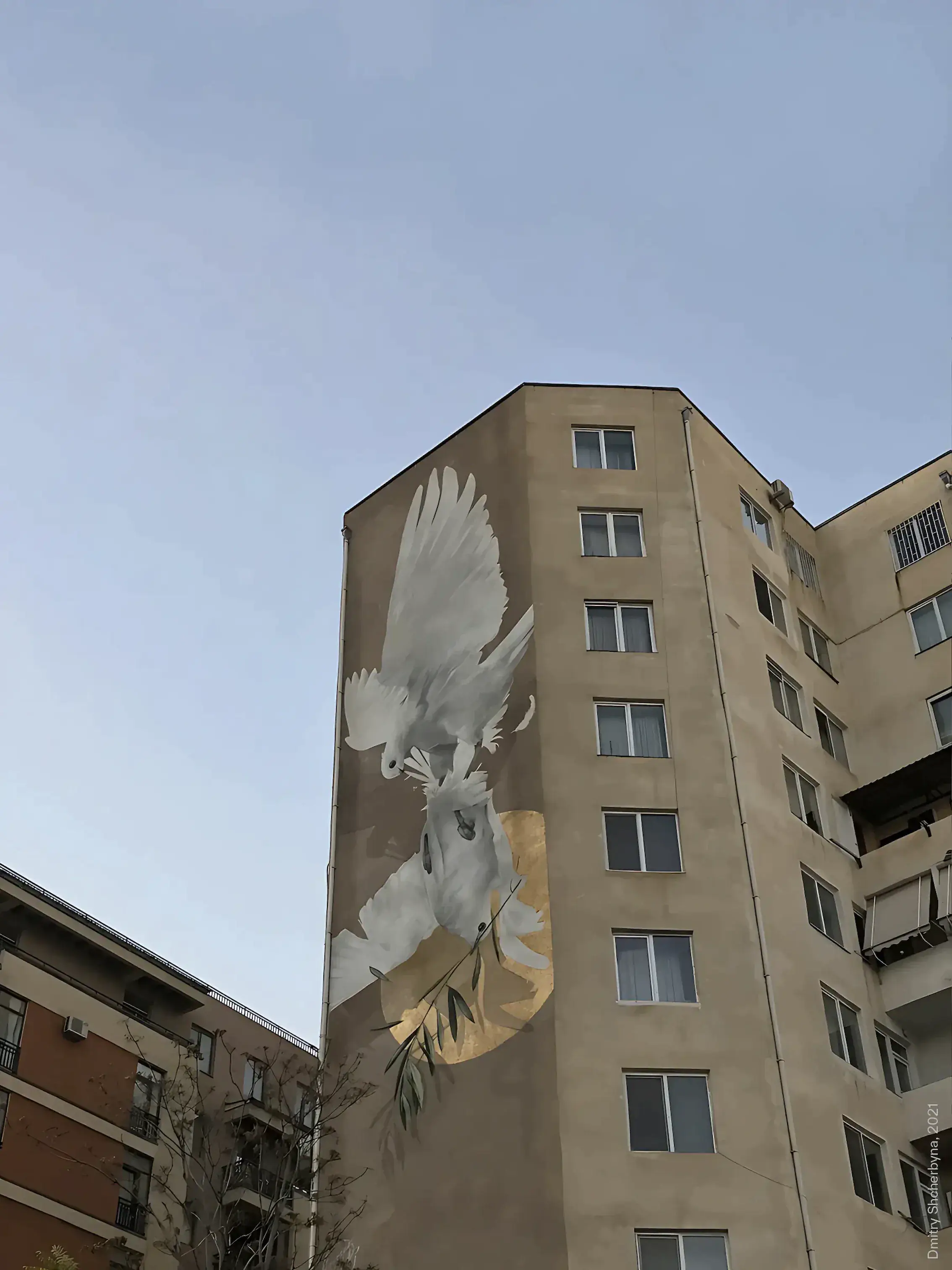
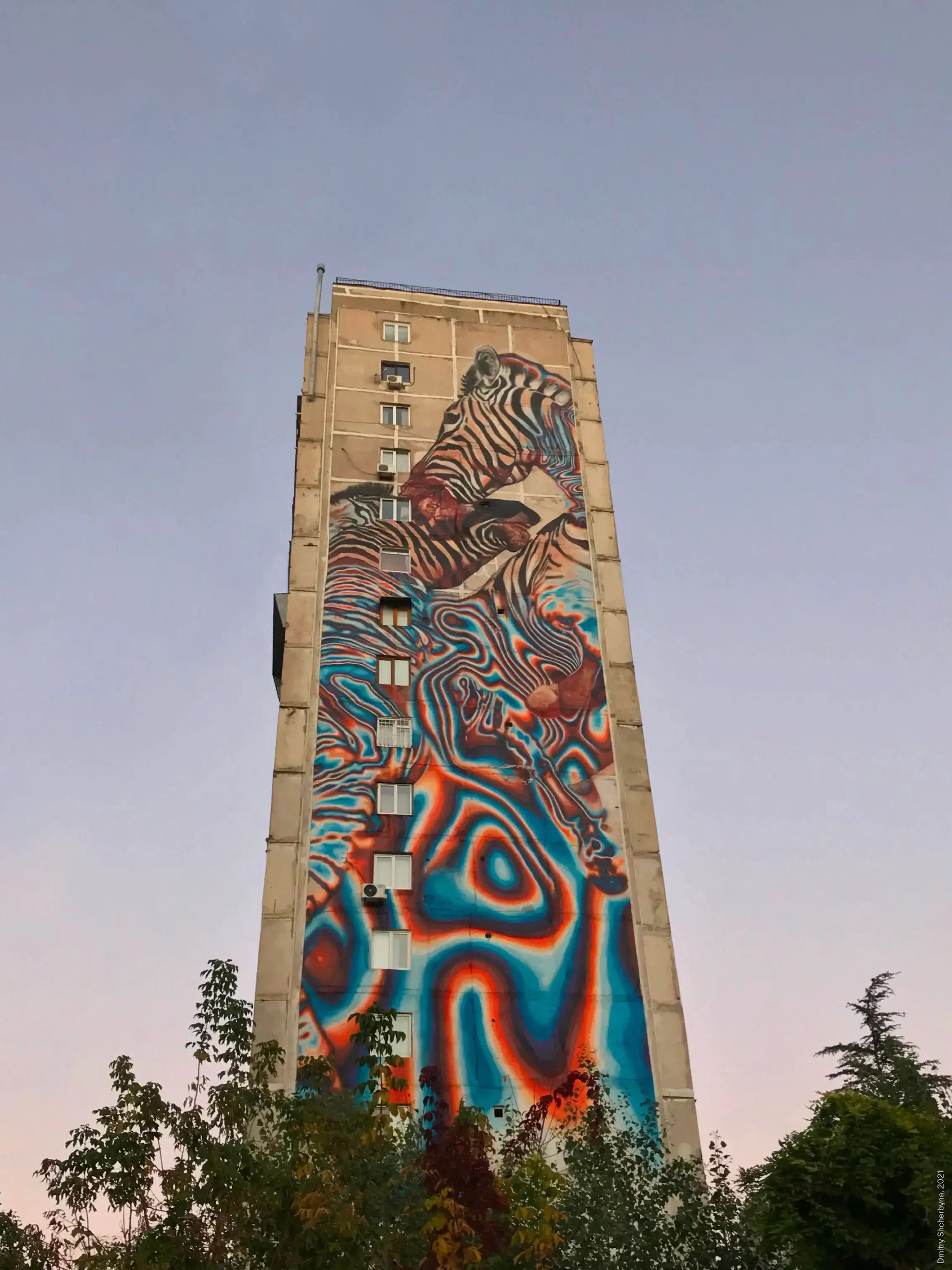
In the context of street art, the modern muralism movement initially emerged as a form of rebellion and self-expression. Artists sought to reclaim public spaces and challenge societal norms. In essence, the mural painting movement began as a powerful tool for communication, empowerment, and social change and became a way to democratize art, making it visible to everyone, not just an elite few.
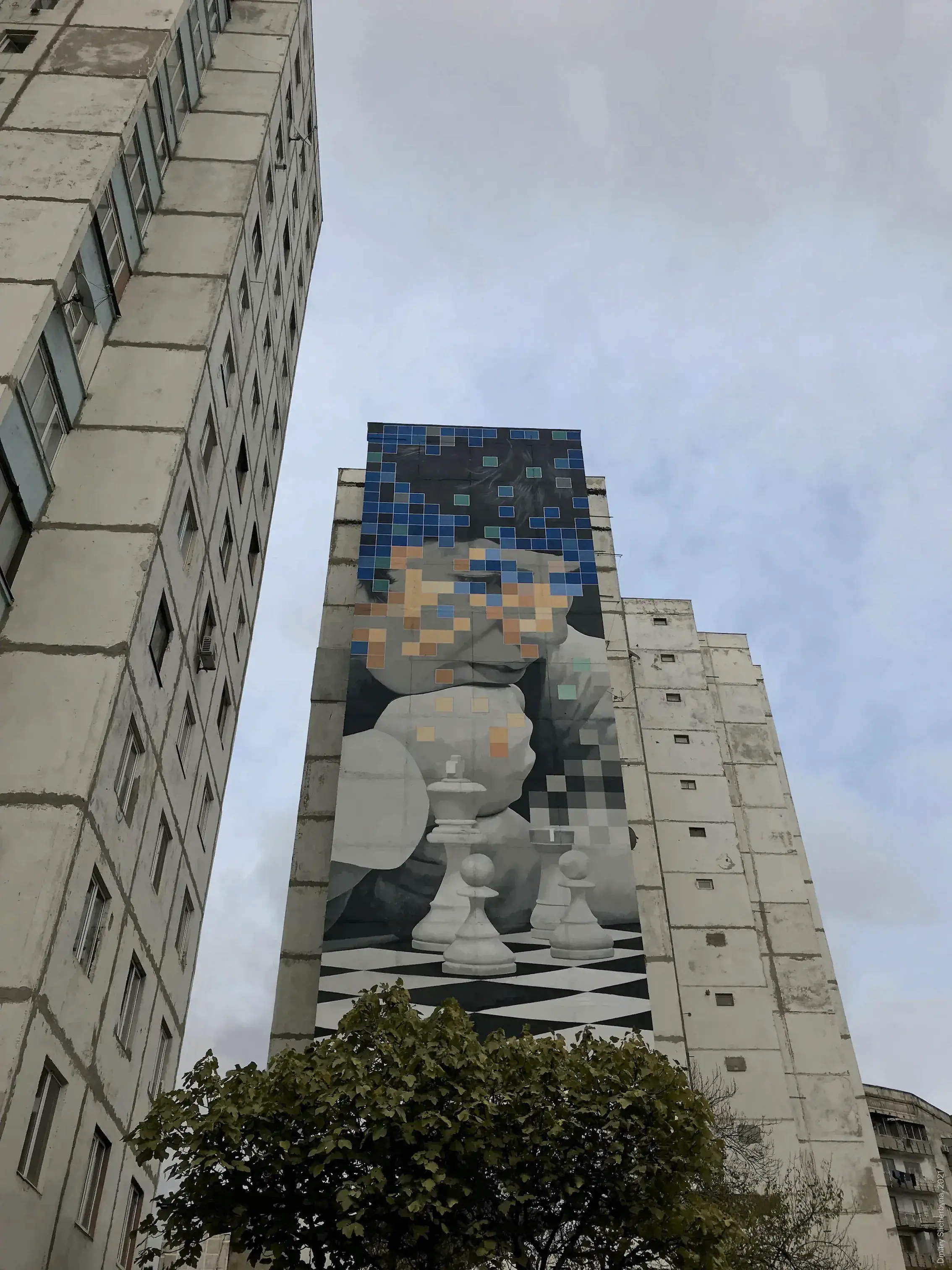
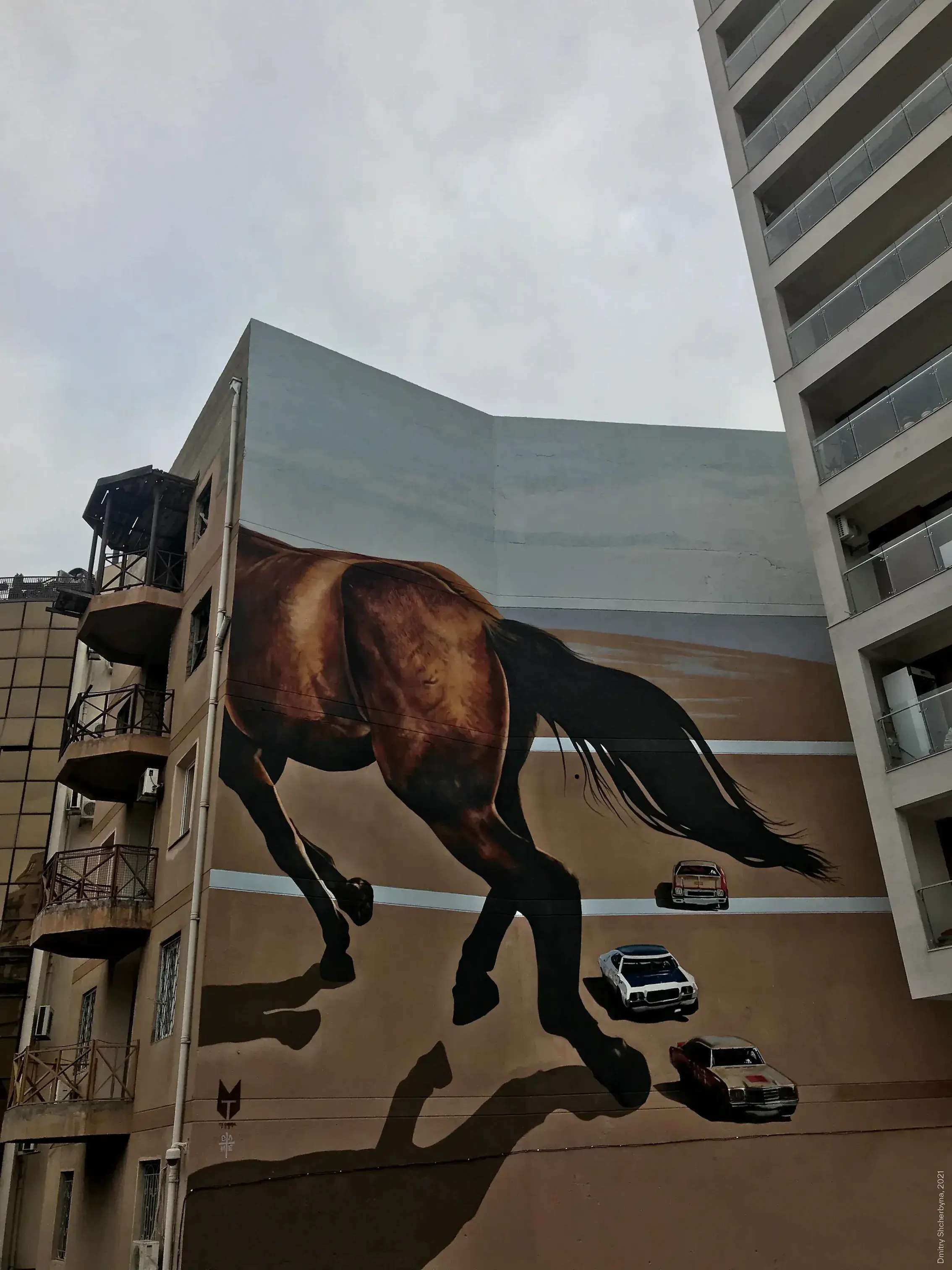
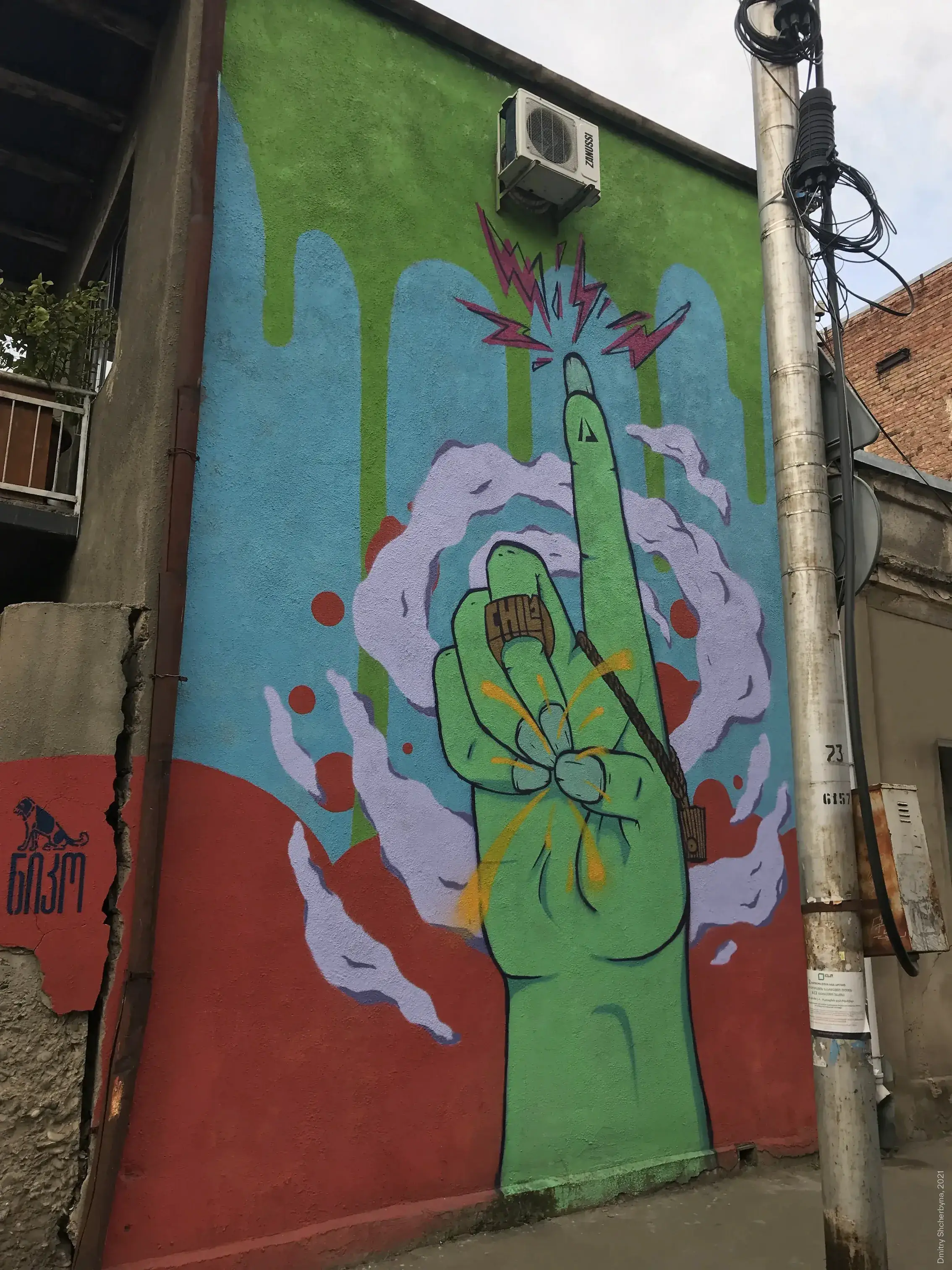
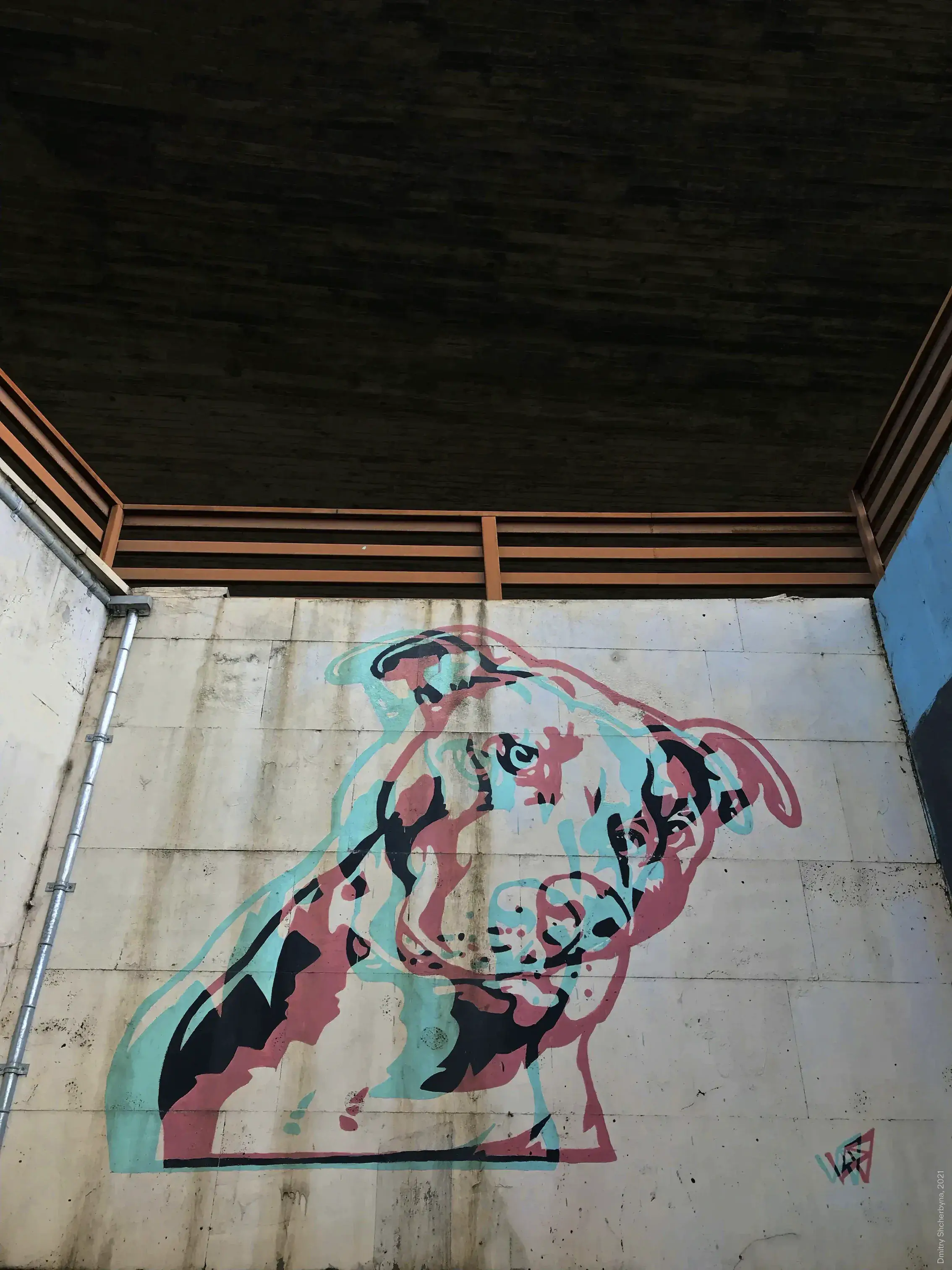
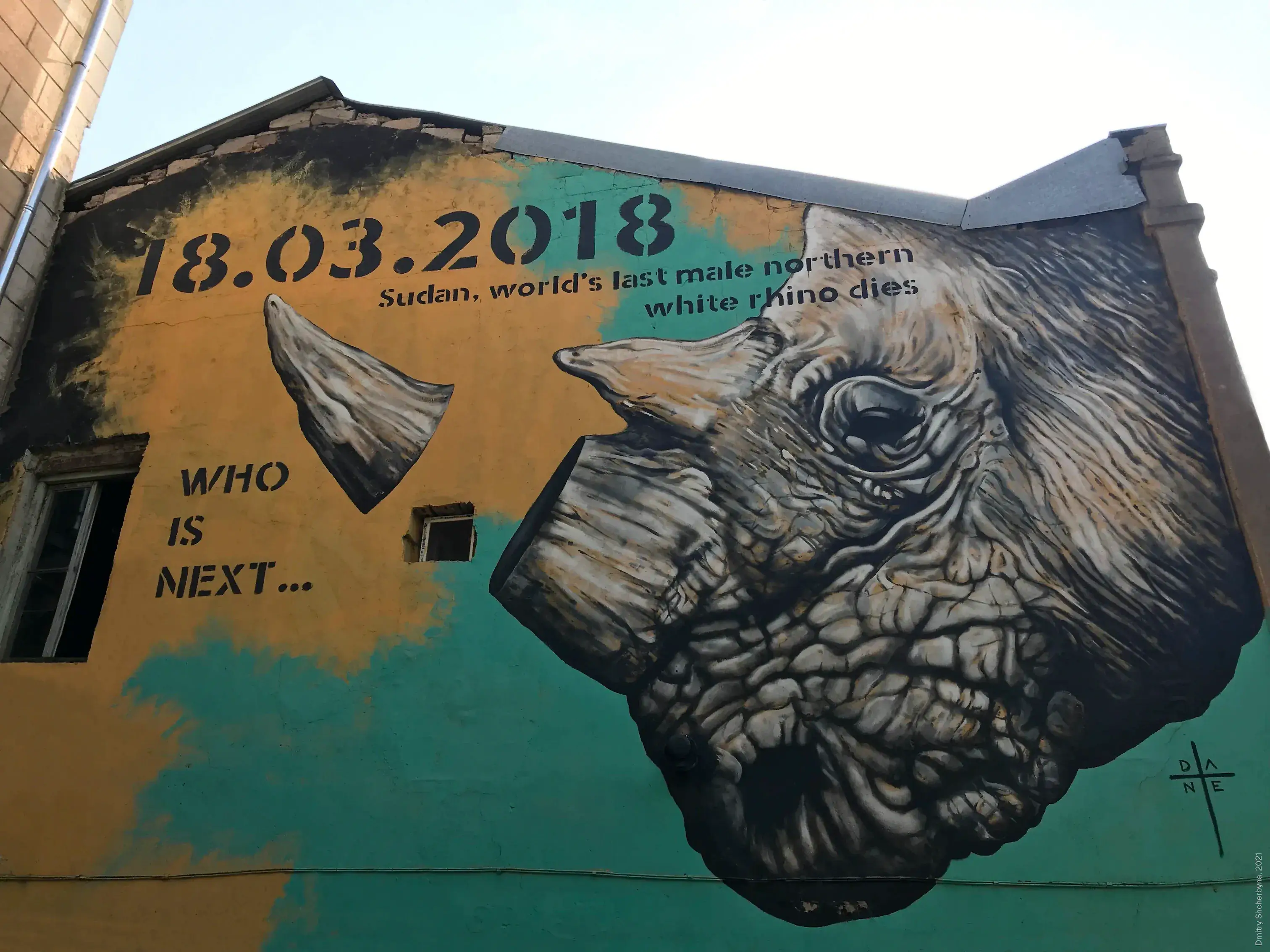
A significant milestone occurred in 2019 when Georgia hosted its first International Mural Festival. As part of this event, artists transformed numerous walls into striking works.
The “Tbilisi Mural Fest” is an annual event that invites artists from across the globe to paint large-scale murals on buildings and walls. In addition to the murals, the festival hosts workshops, lectures, and exhibitions to foster a deeper understanding and appreciation of street art culture. It features a diverse range of styles, techniques, and themes—from lifelike portraits and abstract designs to political messages and humor. The festival welcomes authors, including celebrated muralists, to take part in its events, but at the same time, it actively supports local artists and up-and-coming talent, offering them a unique platform. Over two weeks every September, visitors have the opportunity to witness the creative process up close, engage with artists, and participate in public events like workshops and panel discussions. Following decades of unregulated construction, efforts emerged to repurpose the grey districts of panel houses as open-air galleries.
The festival was founded with the support of Berlin and Tbilisi city halls, so modern art could grow internationally and transform post-Soviet architecture. The organizers emphasize that the primary goal of the festival is to foster community engagement, encourage cultural dialogue, and facilitate creative exchange while also enhancing the urban environment and leaving a legacy for the city. This focus was on both artistic and social impact. Since its inception, the festival has drawn increasing attention from international media, art professionals, and cultural tourists, establishing itself as a recurring fixture on the region's cultural calendar. In a relatively short time, “Tbilisi Mural Fest” has extended far beyond Tbilisi to other major Georgian cities and uses techniques like 3D video mapping. The festival has been covered in publications and has been positively received by local communities, with a growing reputation as a platform for cultural exchange.
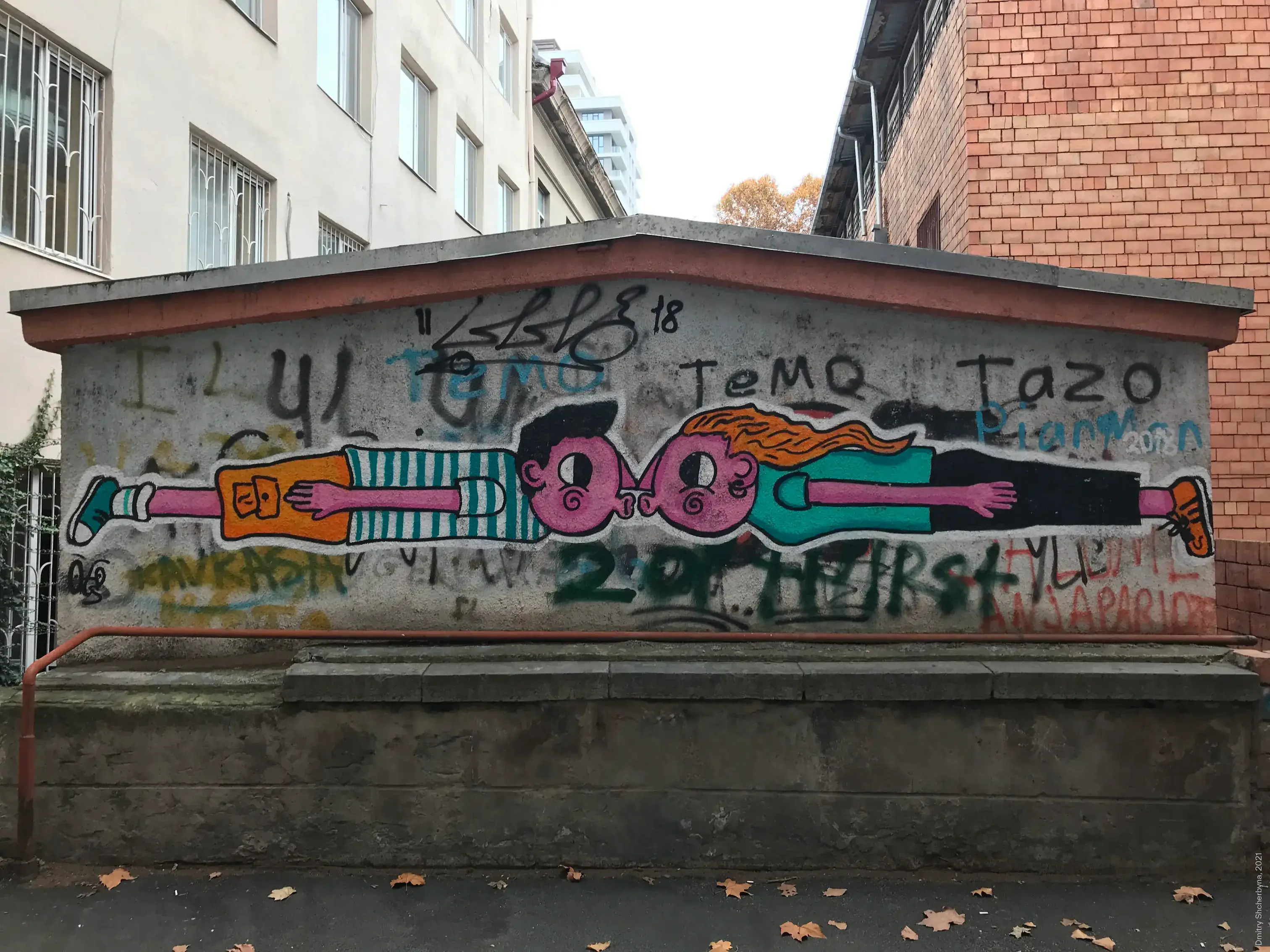
Though it is still a relatively new and evolving phenomenon, street art has already left a profound mark on the visual landscape. It has captured the gazes of both locals and visitors, who can explore the works simply by wandering through the streets.
In addition to famous foreign muralists participating in the festivals or creating artworks on their own, there is a strong Georgian constellation of artists.
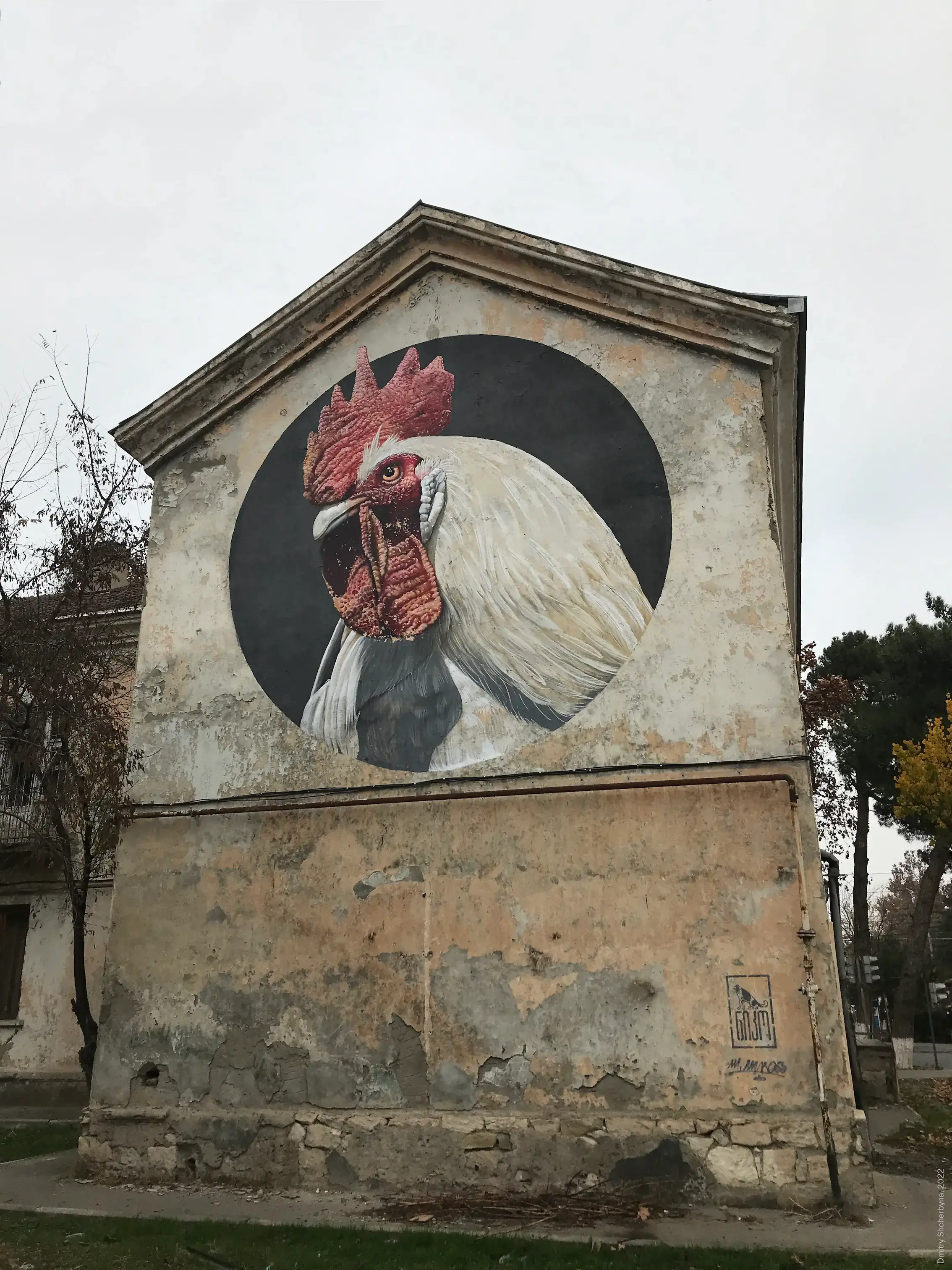
Among other organizations and independent artists, the street art initiative "Niko" supports emerging artists by securing walls, materials, and opportunities for public murals.
Named after the renowned Georgian painter Niko Pirosmani, recognized for his significance in Georgian history, the movement references him as a broader point of reference.
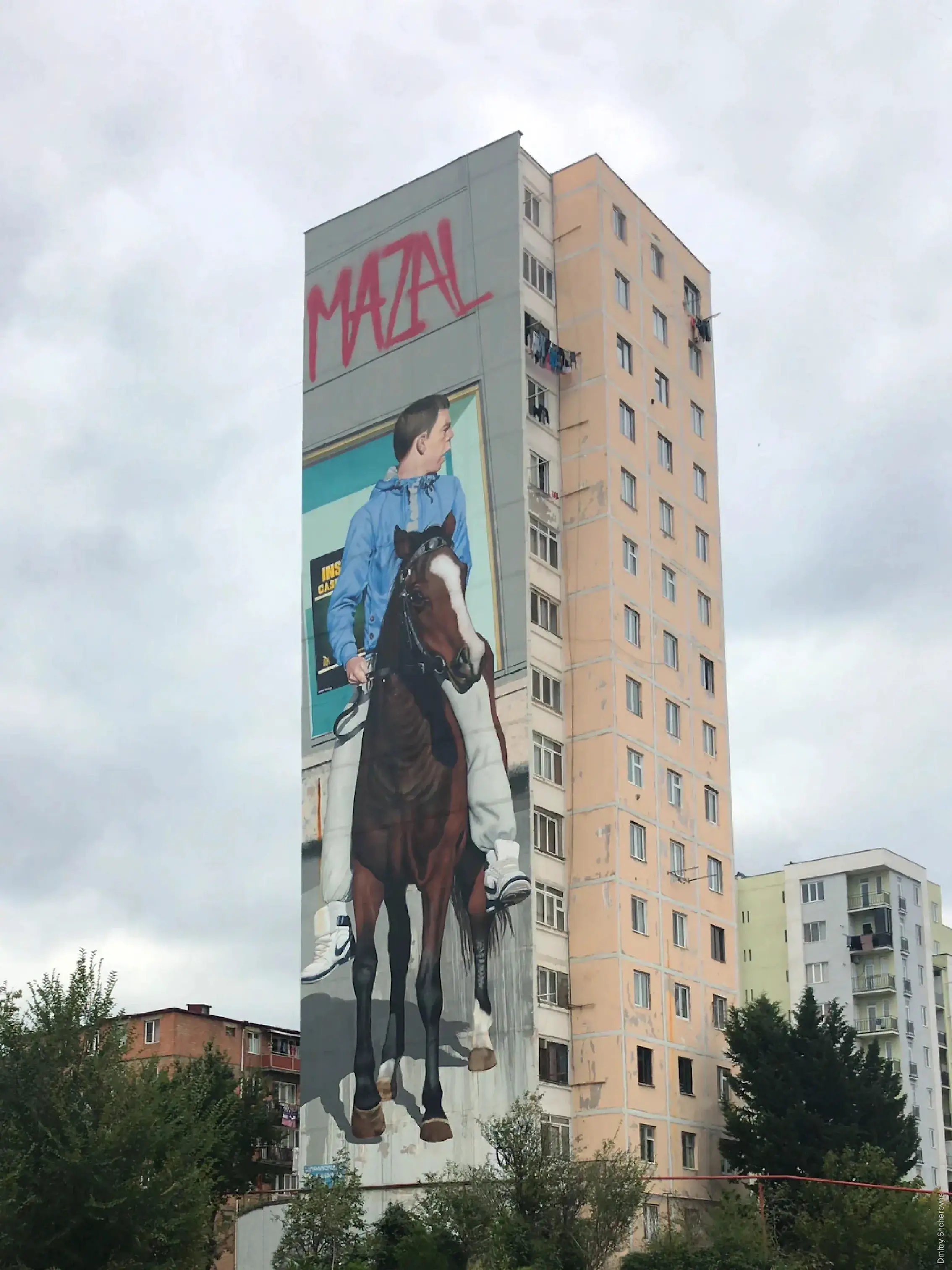
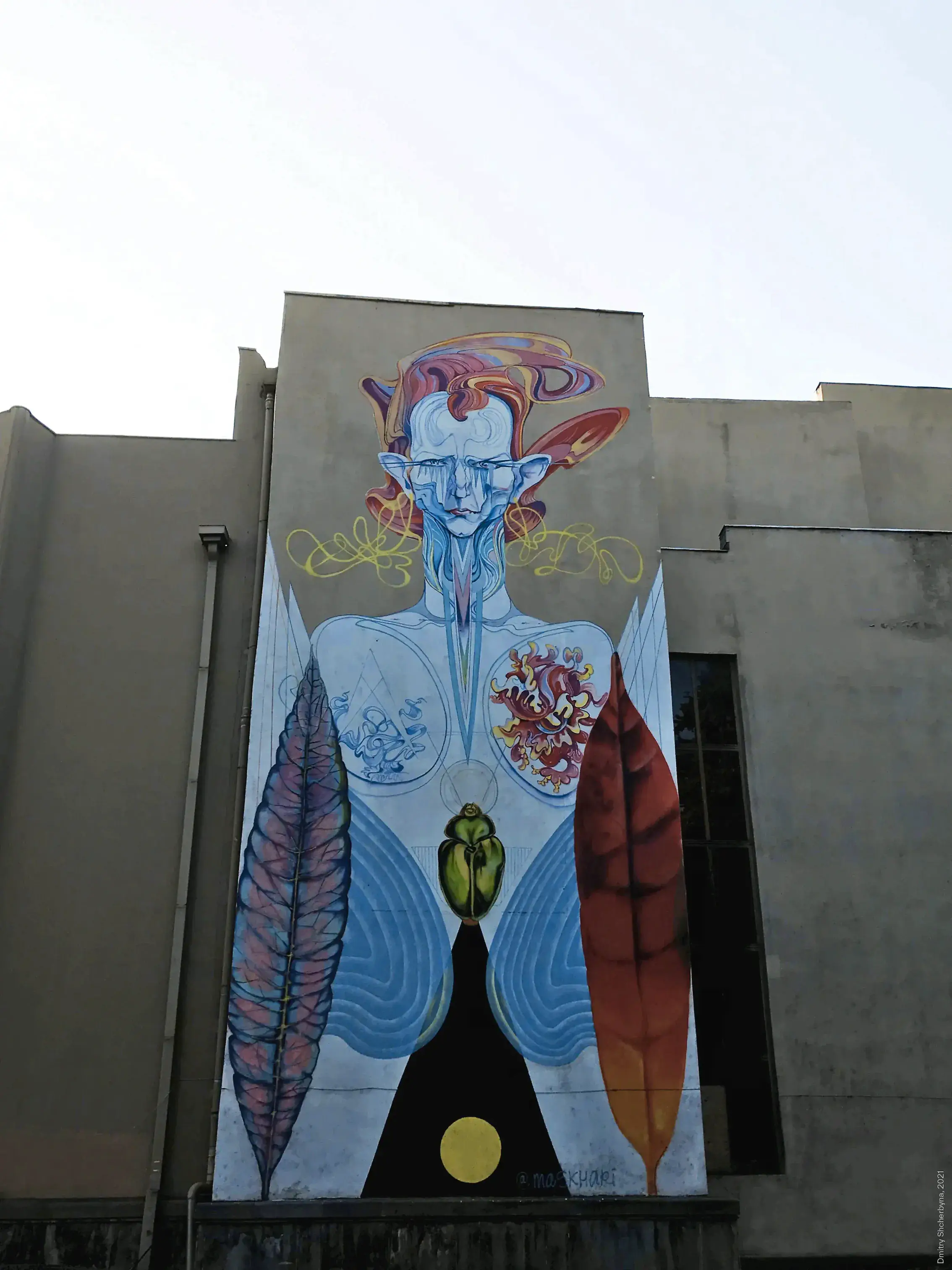
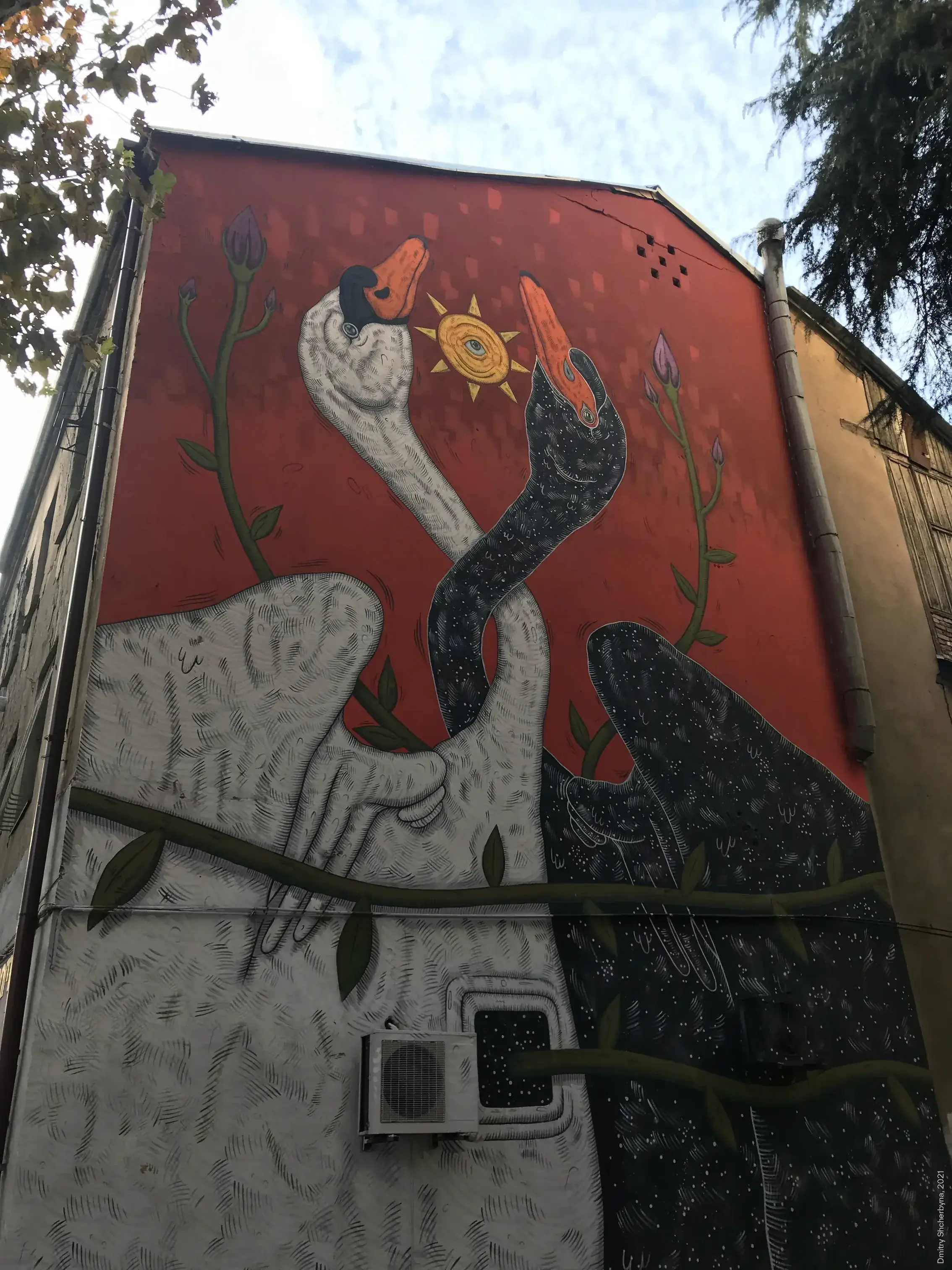
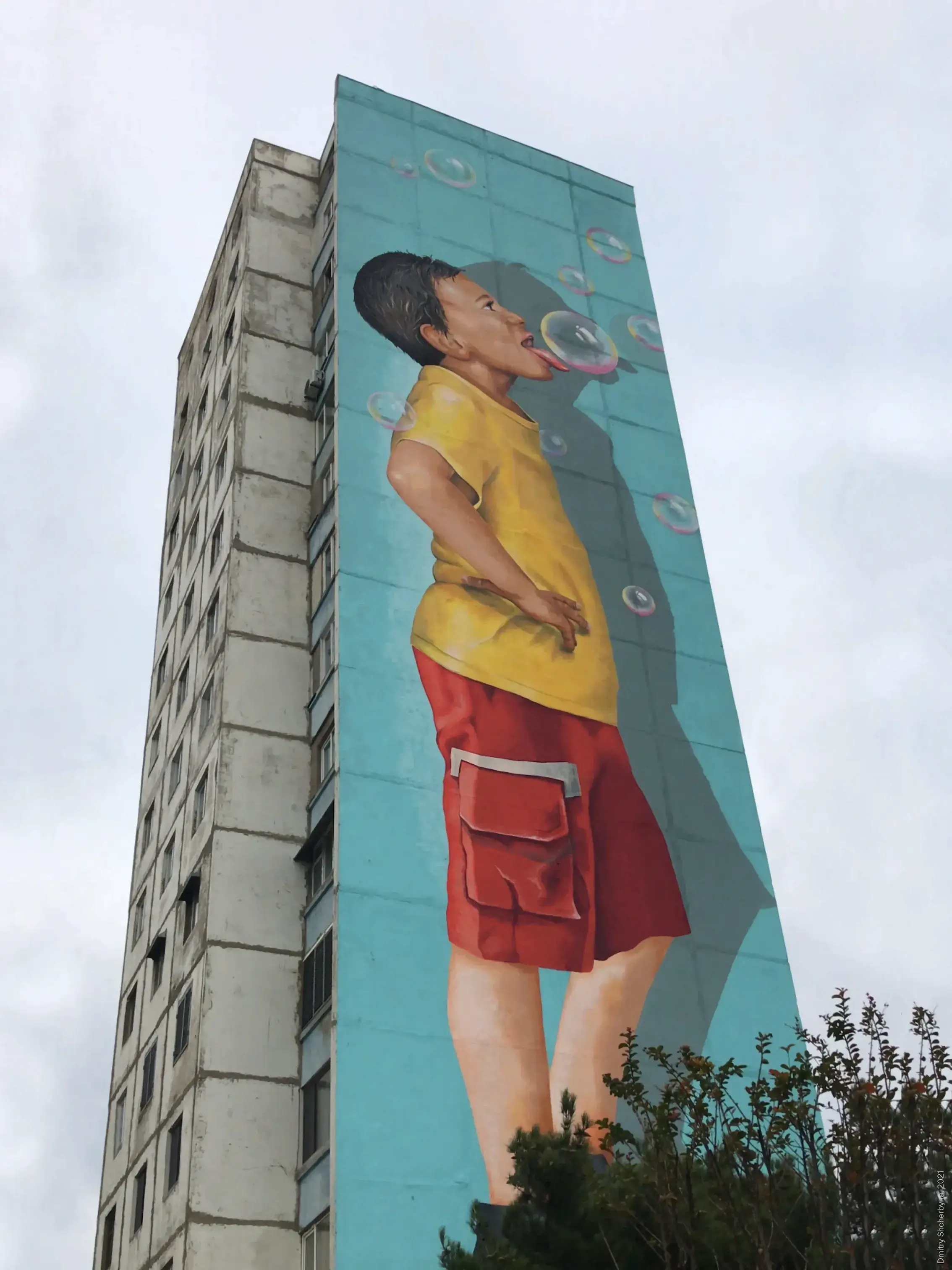
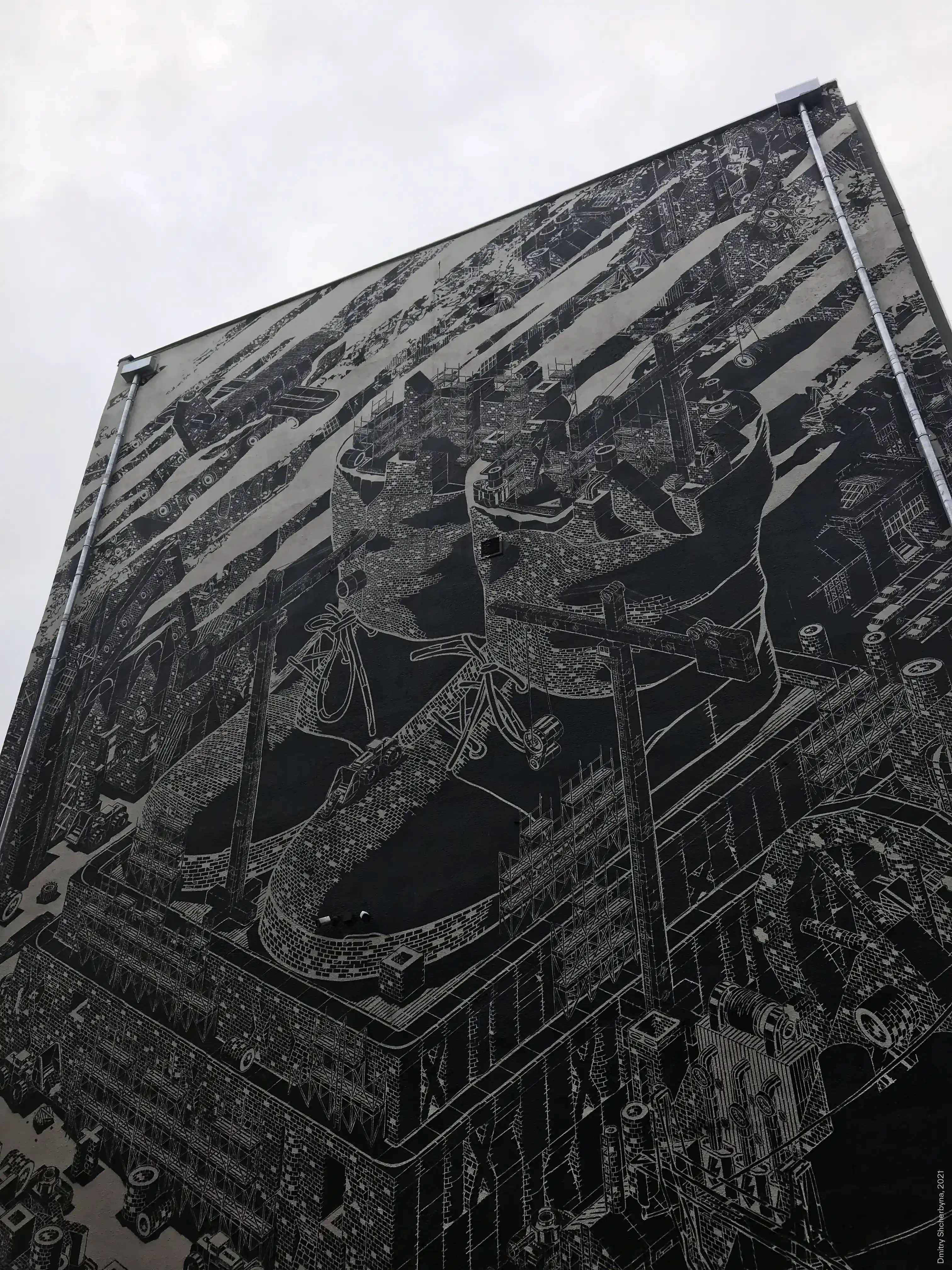
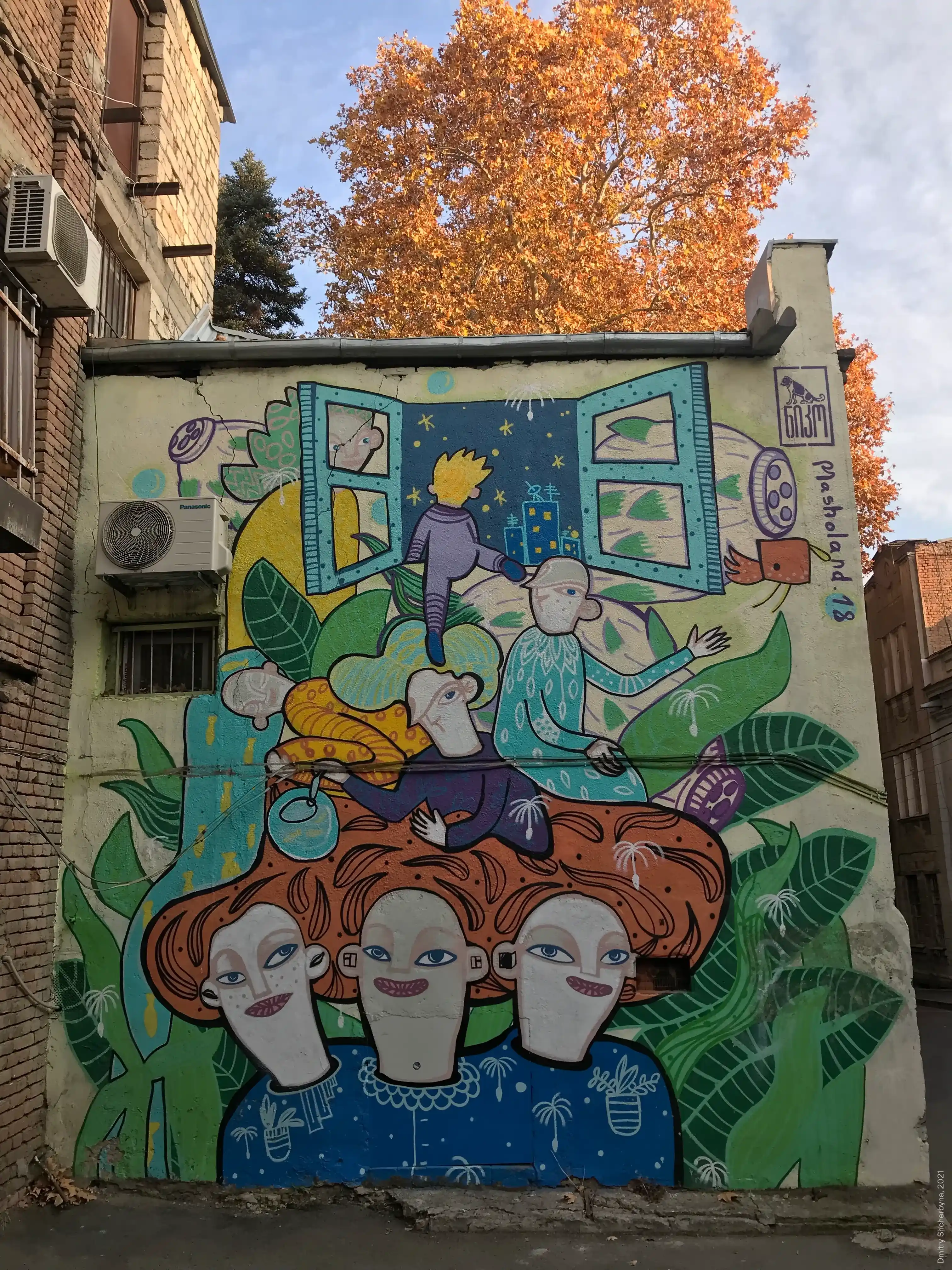
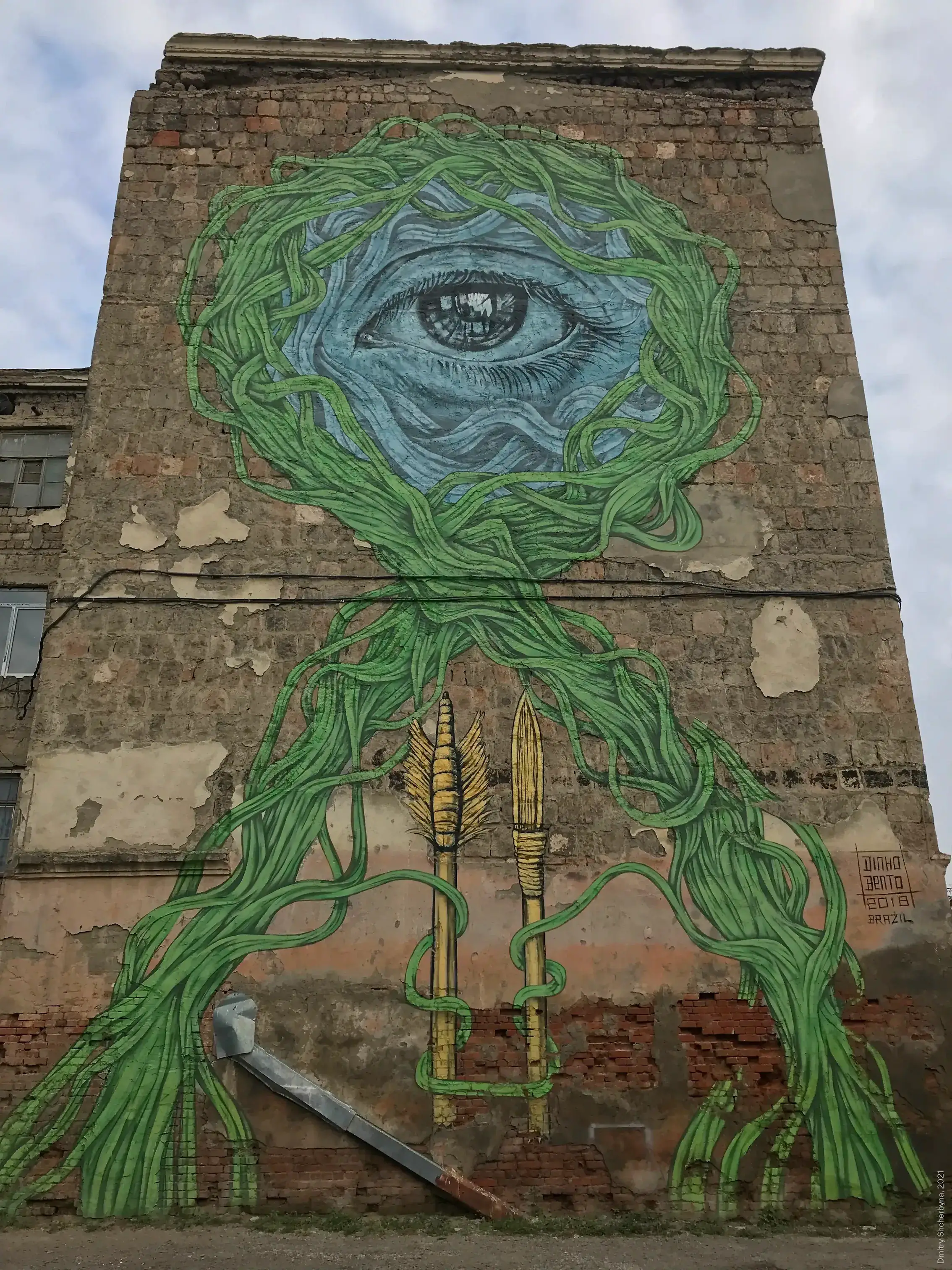
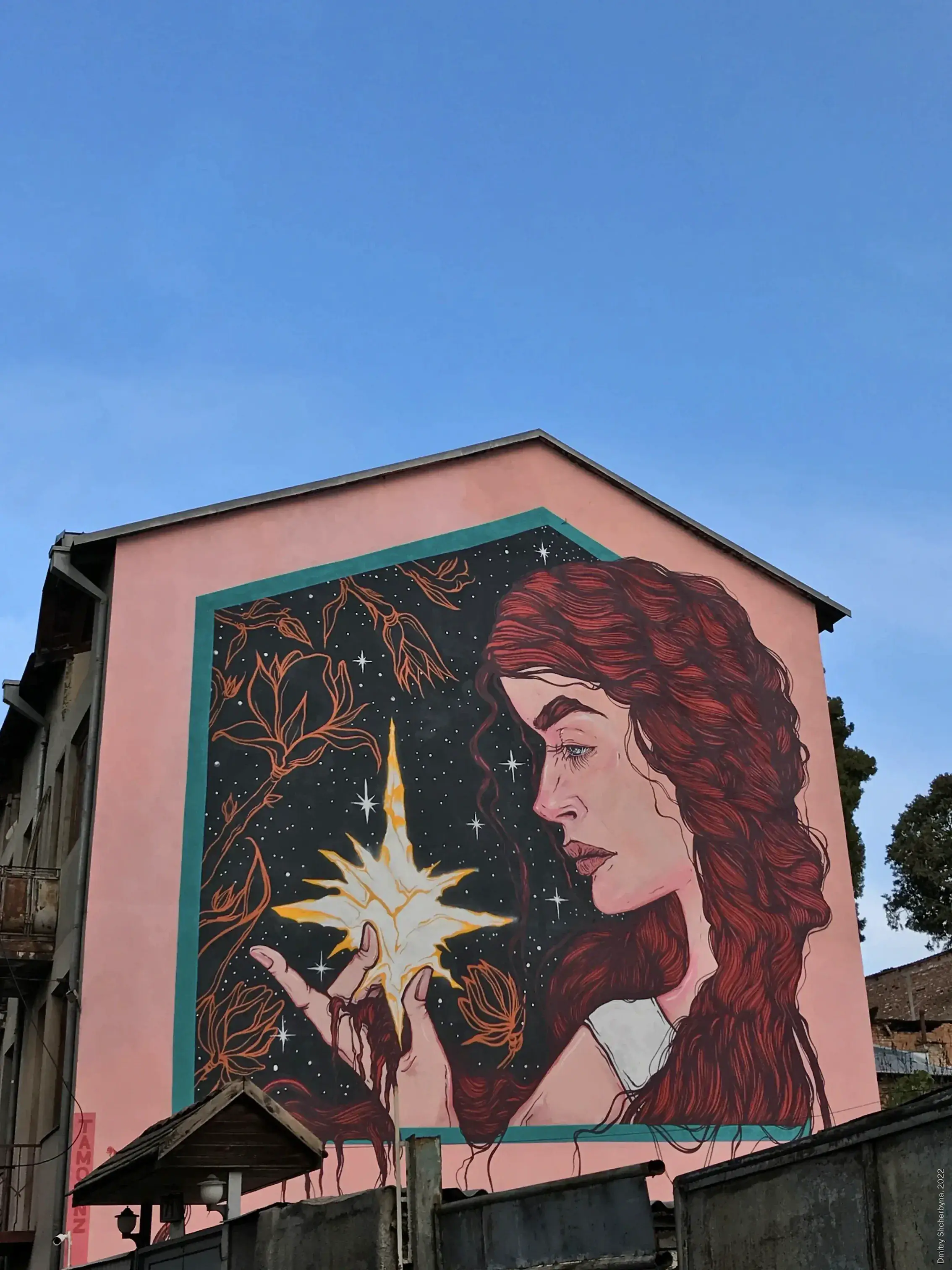
The “Niko” movement provides financial resources, wall permits, support through social media, equipment, and a community of like-minded people.
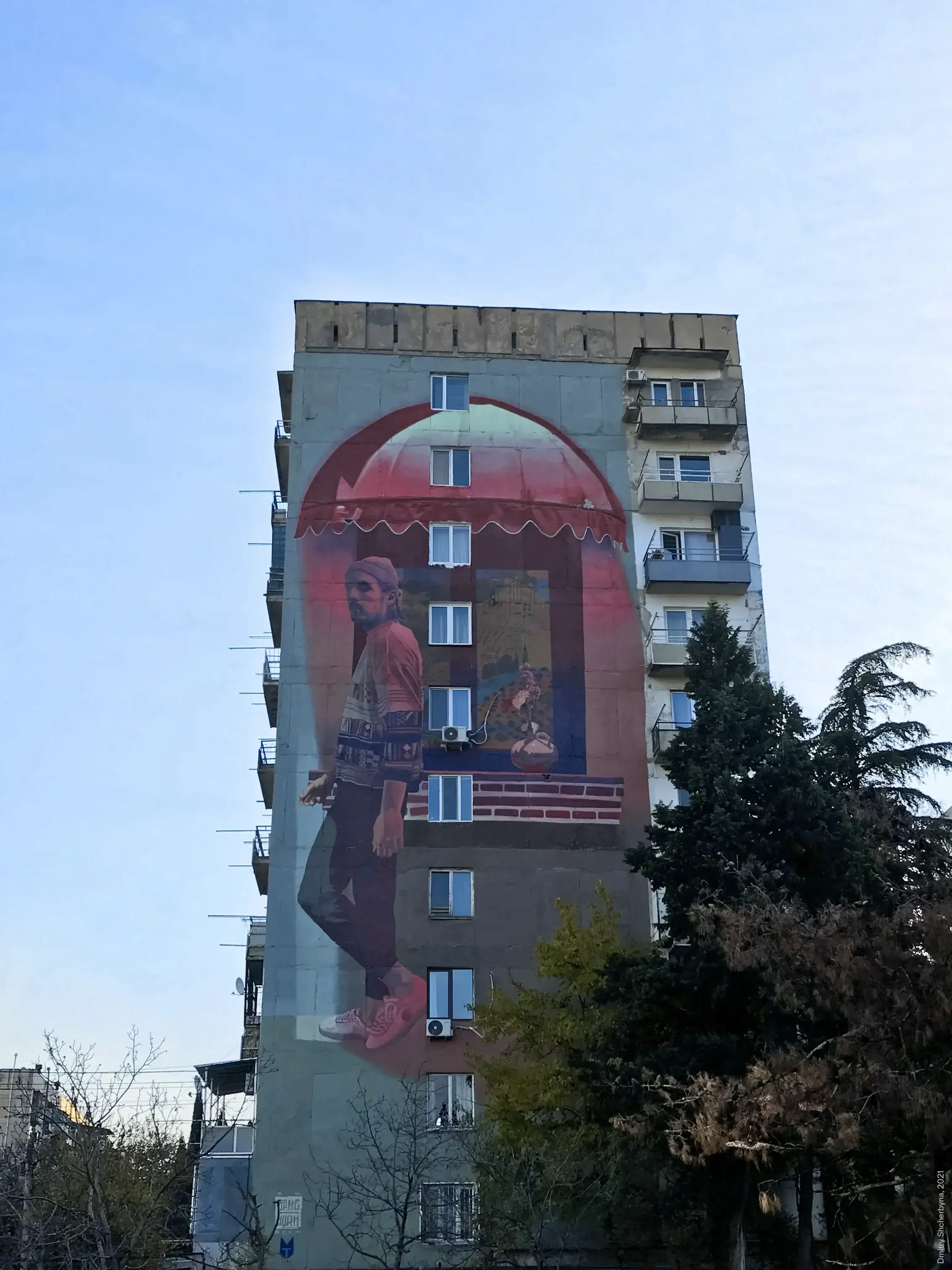
The “Niko” movement also plays a crucial role in enriching the local art scene by fostering collaborations between Georgian and foreign artists. These festivals vividly demonstrate how even typical panel buildings can be revitalized through art. Beyond aesthetics, the movement emphasizes the importance of street art as a platform for authors' experiments and social change. Its impact extends further to urban changes, especially when it comes to building and fostering community engagement.
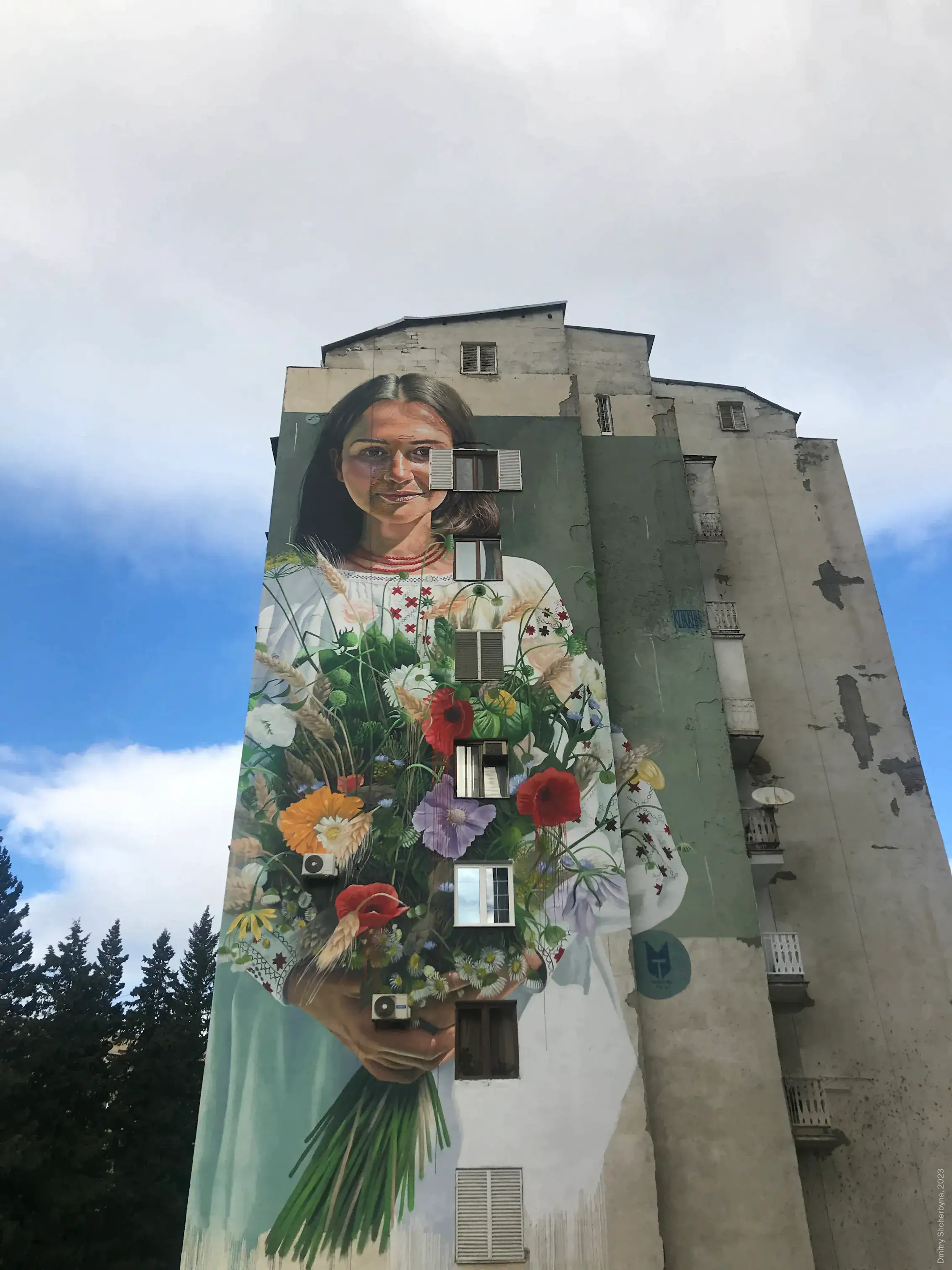
By blending tradition with modern street art, the artists of this movement, through their work, show that Pirosmani’s influence continues to inspire and resonate in today’s urban landscapes. When it comes to seeing all this diversity and feeling the scale of the work done, it is enough to go to several areas of Tbilisi or Batumi and other Georgian cities. The list continues to expand rapidly, driven by street art festivals. As a result, areas featuring murals increasingly attract investment and public interest.
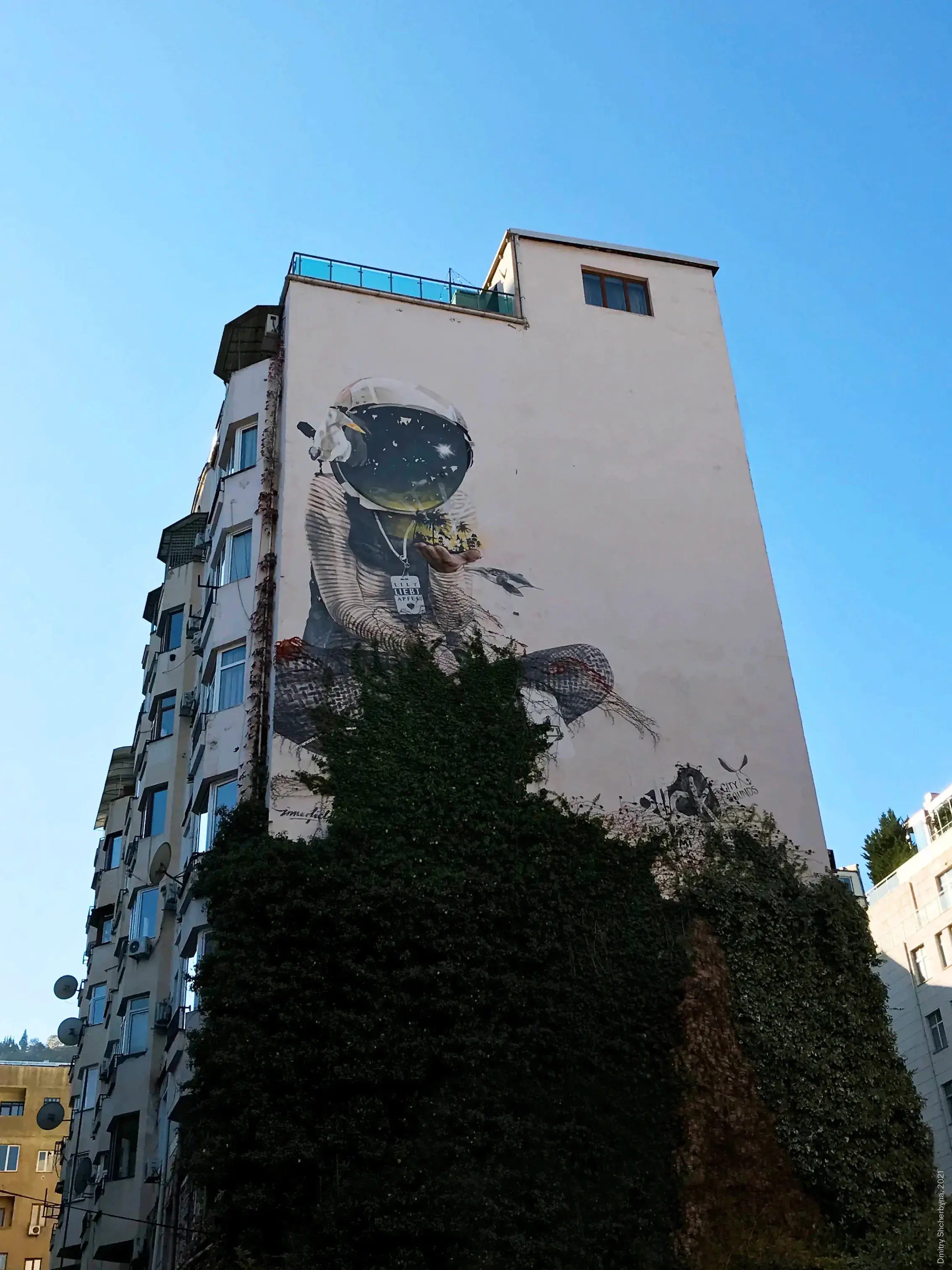
Just as Niko Pirosmani’s art was deeply shaped by the social conditions of his time, often depicting the simplicity and struggles of rural life, the “Niko” movement carries forward this legacy by empowering artists to reflect contemporary societal themes in their work. The movement’s logo, a dog, is from Pirosmani’s painting "The Feast in a Grape Gazebo". It can be seen as symbolizing the movement’s effort to draw inspiration from Georgian cultural heritage, using a recognizable reference point.
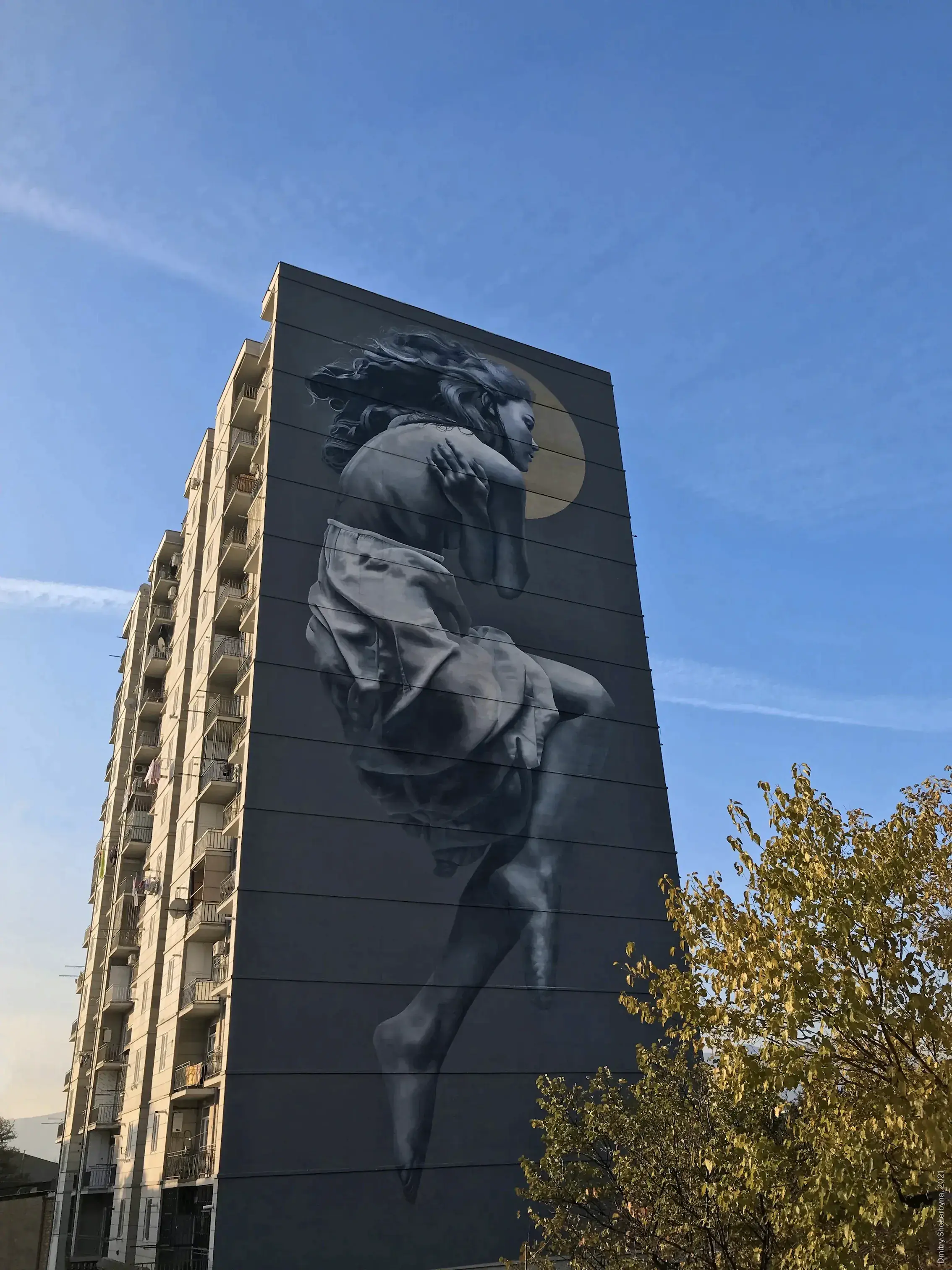
Maglivi, known as a part of Tbilisi State University, is a place where you can see a lot of works at the same time. The works change annually, as the site functions as a practice ground for artists.
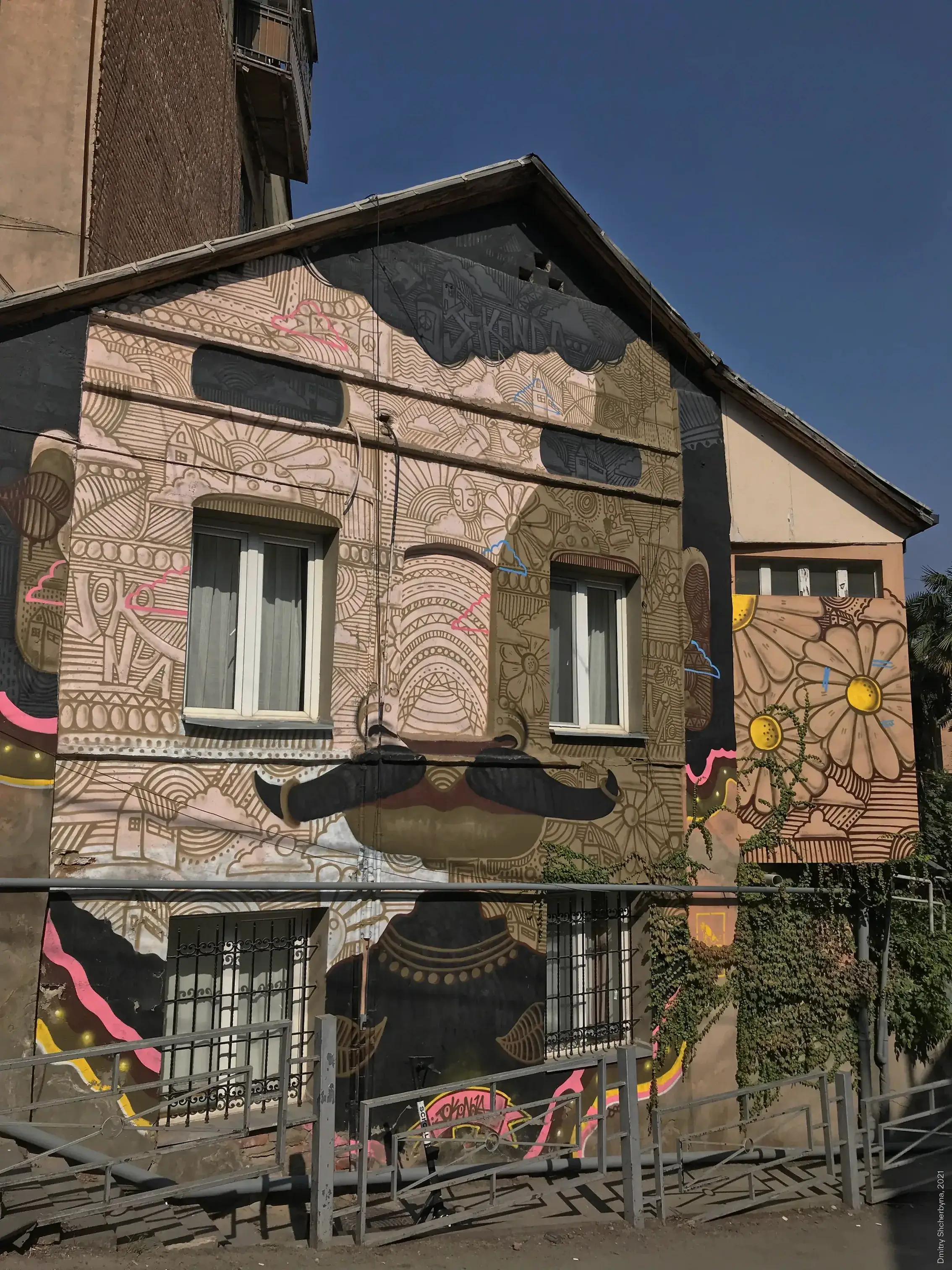
The “Niko” movement is one of the guiding forces in spreading murals and graffiti all around the country. However, at the same time, it helps Georgia be represented on the global street art map. So, similar to the artistic transformation seen in Tbilisi, other Georgian cities have also undergone a metamorphosis in recent years. Even in the countryside, year by year, new artworks appear. All these efforts, without any doubt, have a positive outcome for both tourism and urban development in local cities.
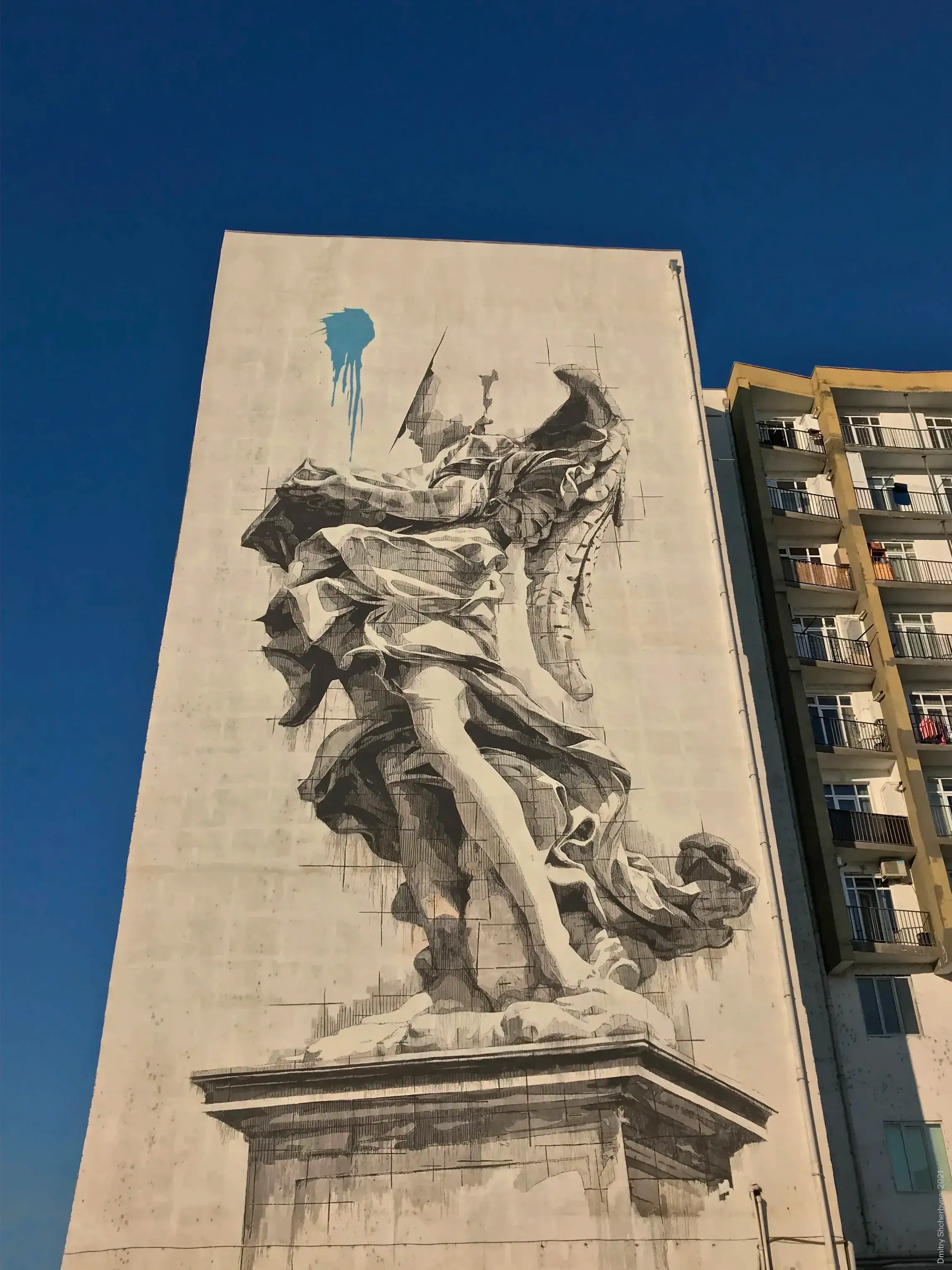
Achieving influence on public consciousness requires works that combine visual techniques with conceptual depth. There is a vast array of topics, some of which tell stories about the country’s history and key figures. The movement's organizers describe their mission as empowering artists to address contemporary social themes while developing their technical skills — a goal reflected in the growing international presence of several artists who began their careers through Niko-supported projects.
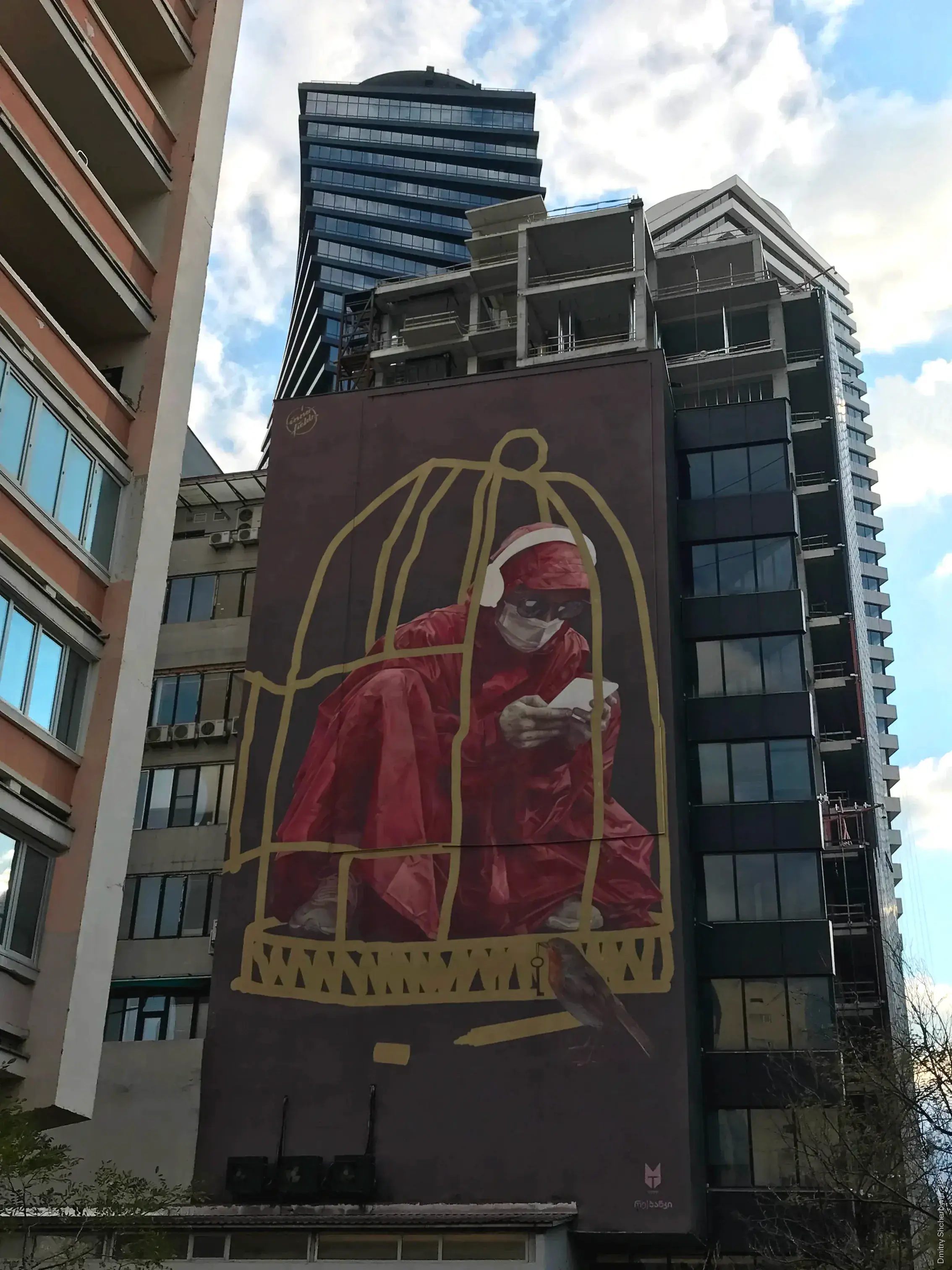
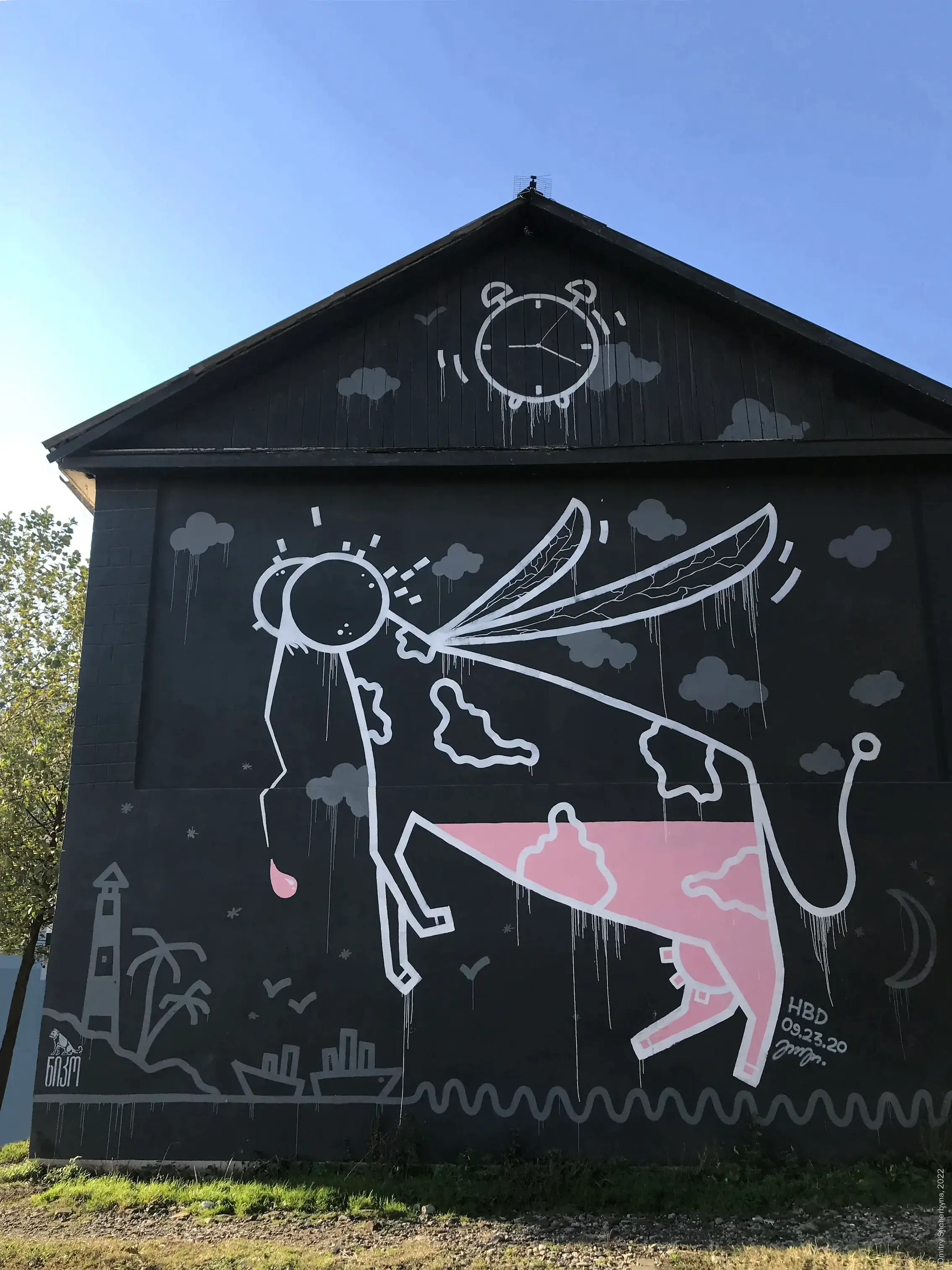
One more pivotal institution that should be mentioned is “Fabrika”. Originally a sewing factory from the Soviet era, it has been reimagined into a cultural and creative hub. Located in the heart of Tbilisi, this space has become a symbol of urban rejuvenation. Beyond breathing new life into a once-forgotten area, “Fabrika” has emerged as an international stage for artistic collaboration and showcasing skills. The institution has become one of the driving forces of the Georgian street art movement.
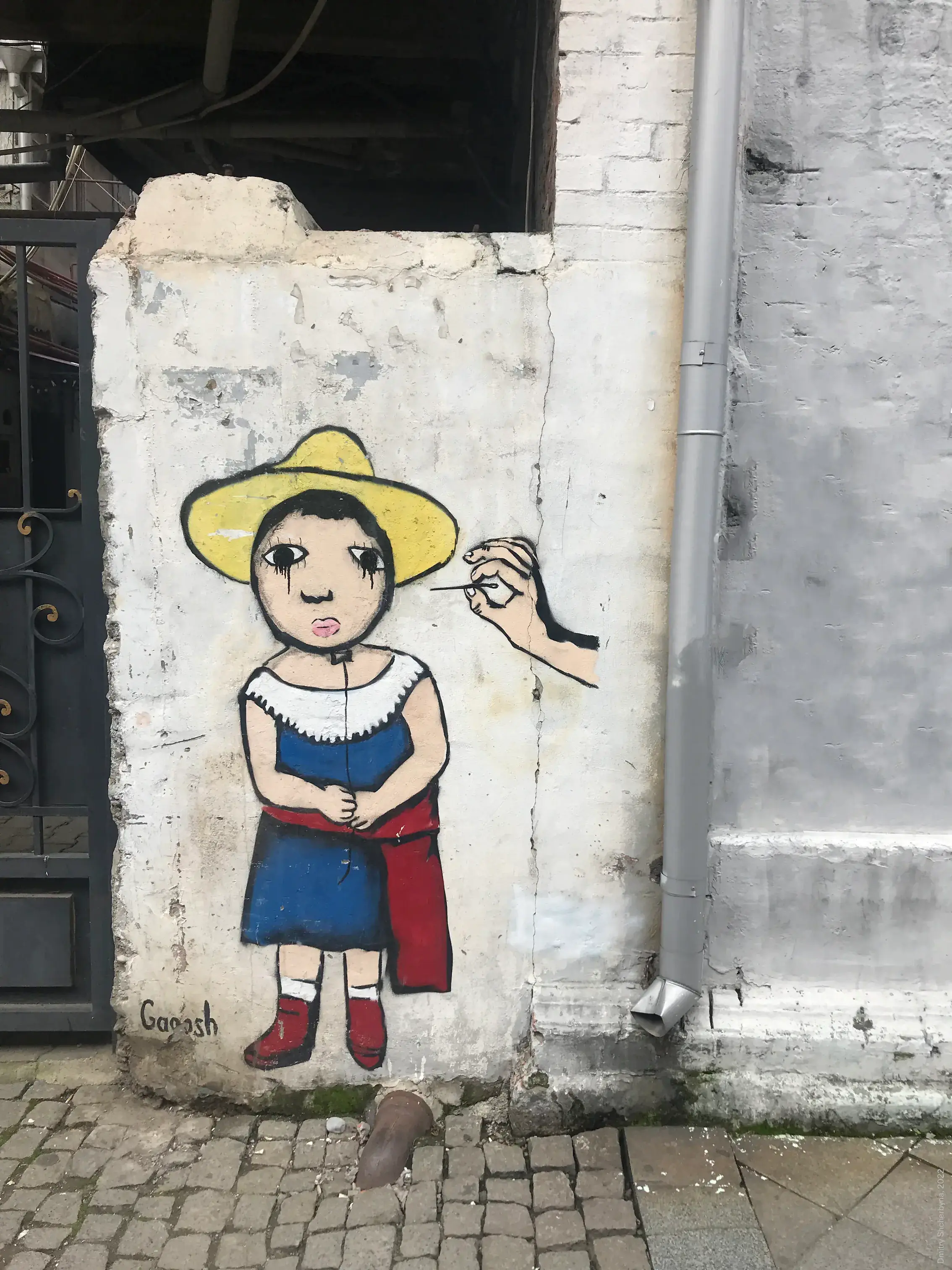
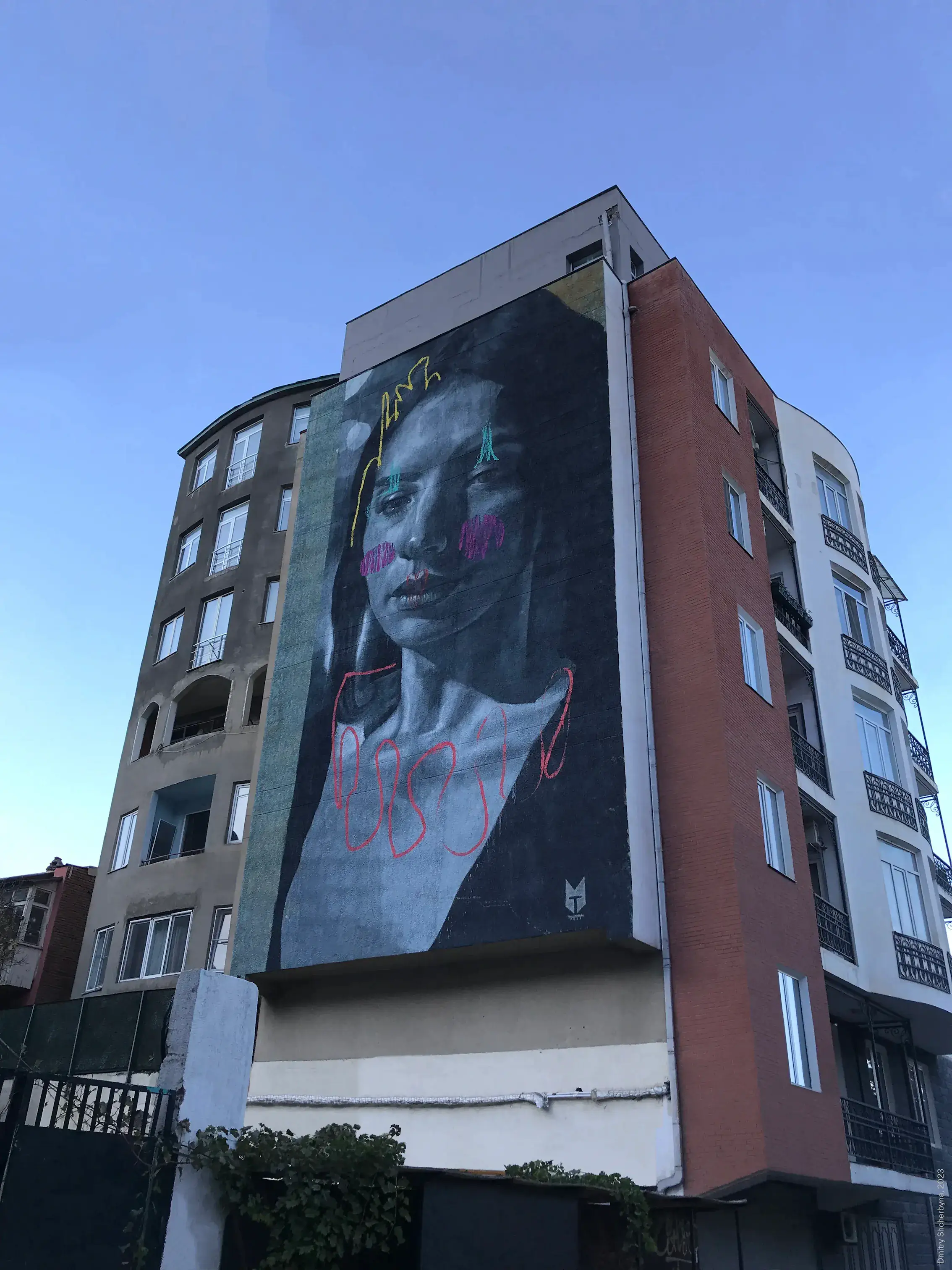
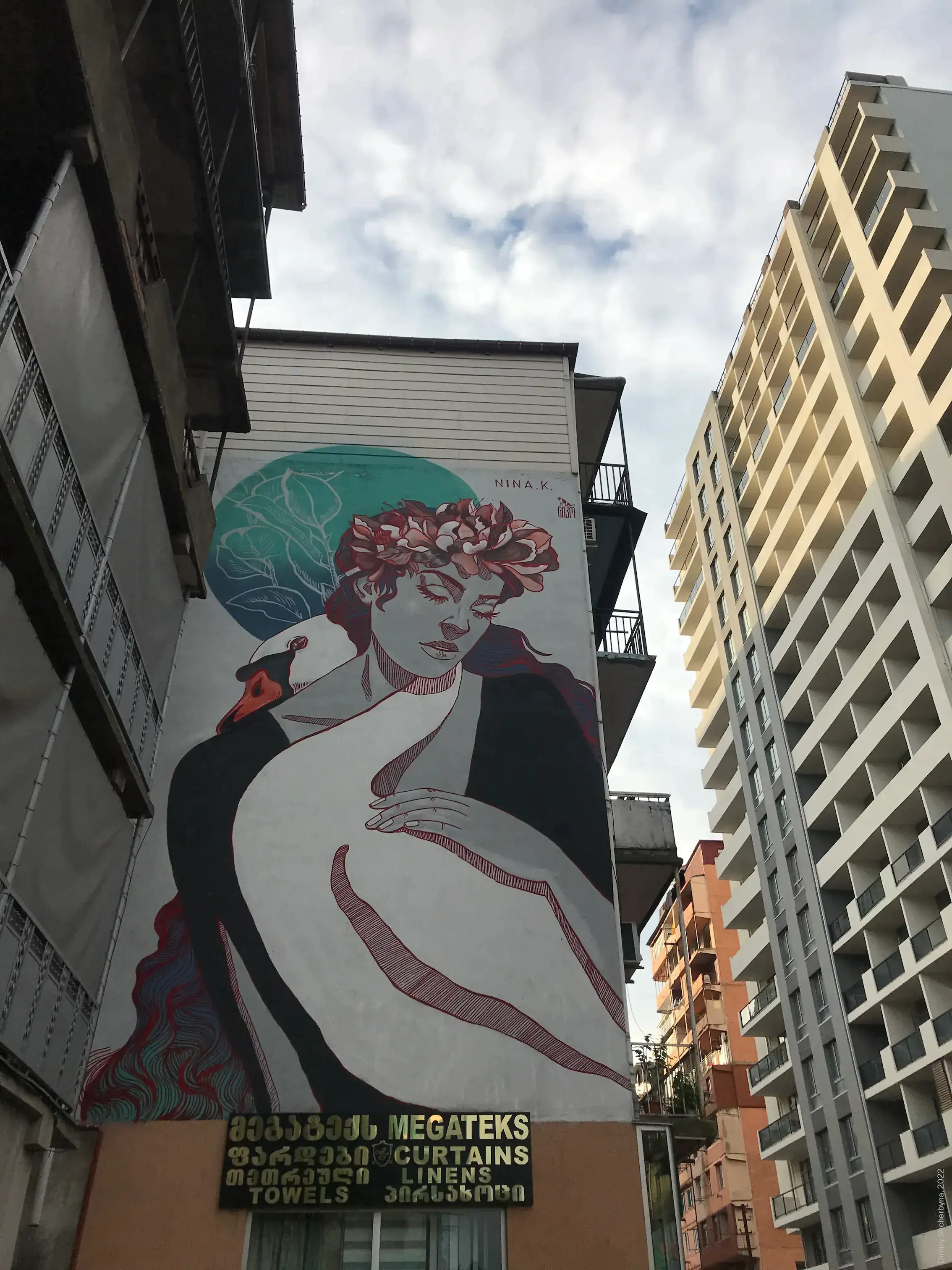
Developed by Adjara Group Hospitality and Multiverse Architecture (MUA), the project retained the raw, industrial aesthetic of its Soviet past while infusing it with modern, artistic elements that were done with attention to detail.
The exposed pipes, repurposed factory equipment, and vibrant murals create a striking contrast that reflects Georgia’s transition from its Soviet legacy to the present. This building quickly became a prominent landmark of the Left Bank of the city.
The space consists of a hostel, co-working spaces, artist studios, cafes, and retail outlets, bringing together a diverse community. The building, decorated with various street art, functions as one of the locations hosting community activities.
What began as a project to revitalize an abandoned industrial site has, over the following years, contributed noticeably to a visible transformation of the surrounding neighborhood, attracting new businesses and a steady stream of foreign visitors.
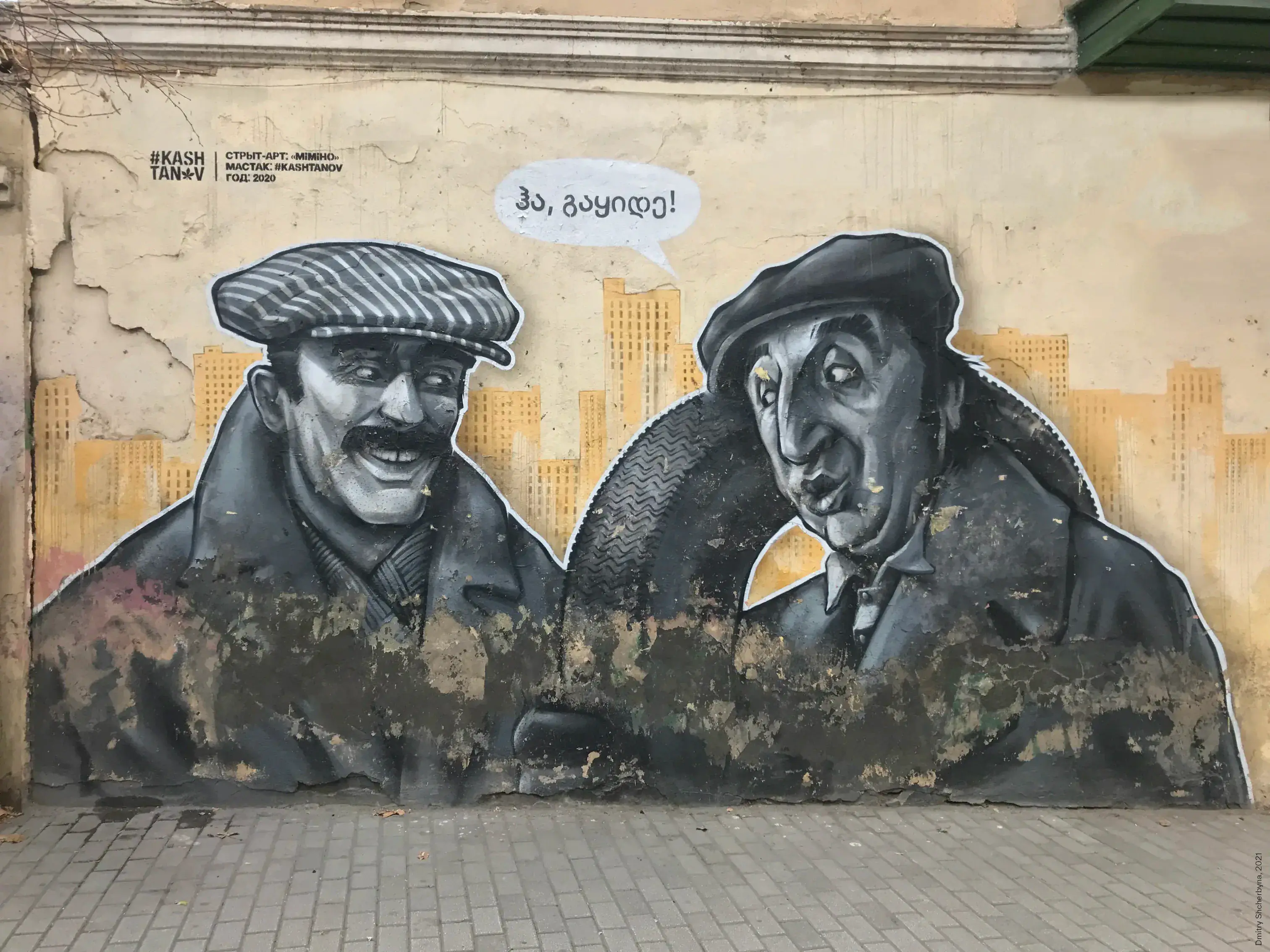
At the “Fabrika” space, you will find a graffiti shop that supplies artists with materials. You might purchase aerosol paint (spray), markers, and other essentials for street art.
Fabrika’s success is inspiring evidence of how a popular space might contribute to the growth of a street art scene. The emphasis on collaboration has also strengthened Georgia’s ties with the international art community, positioning Tbilisi as a must-visit destination for art lovers.
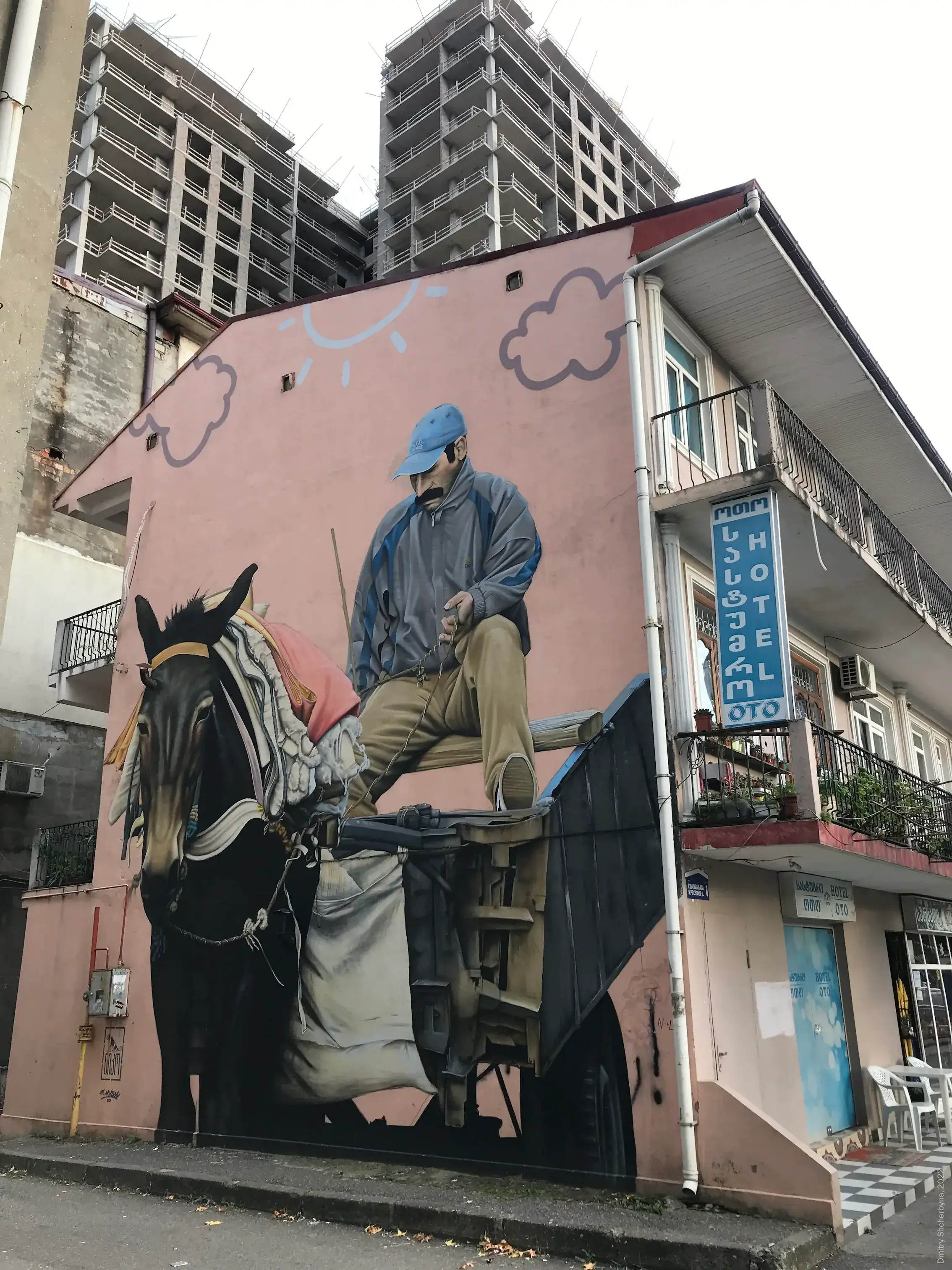
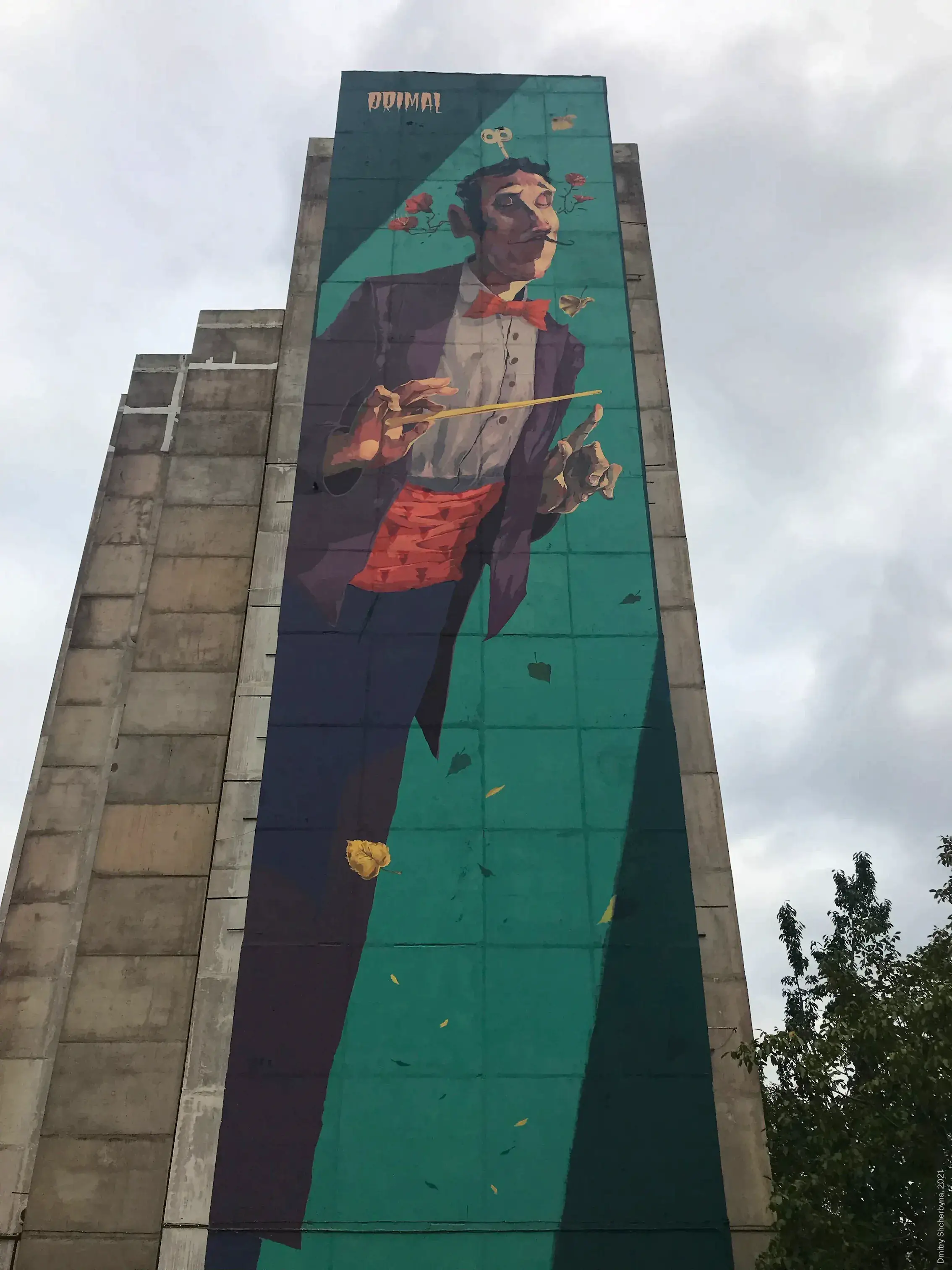
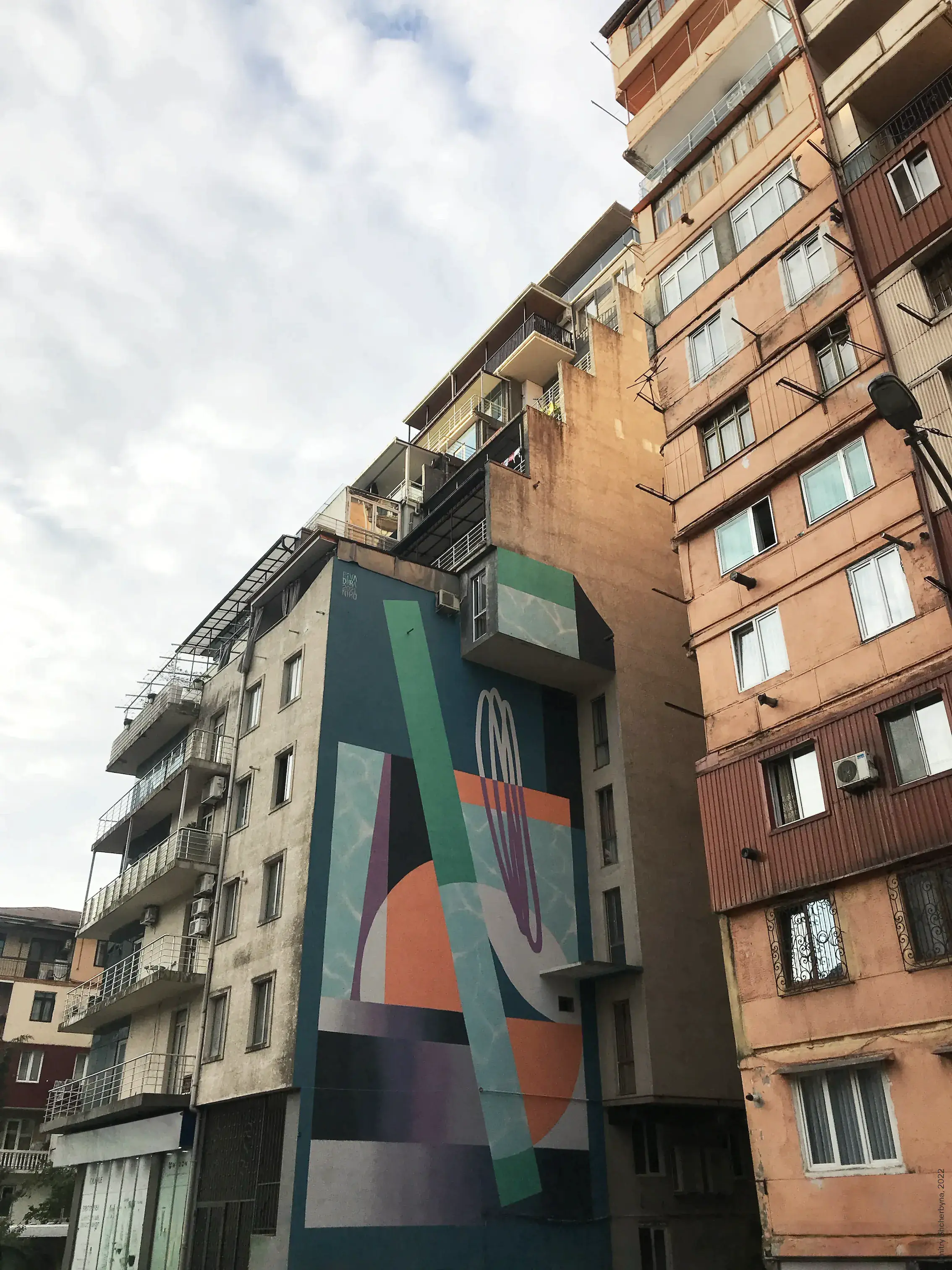
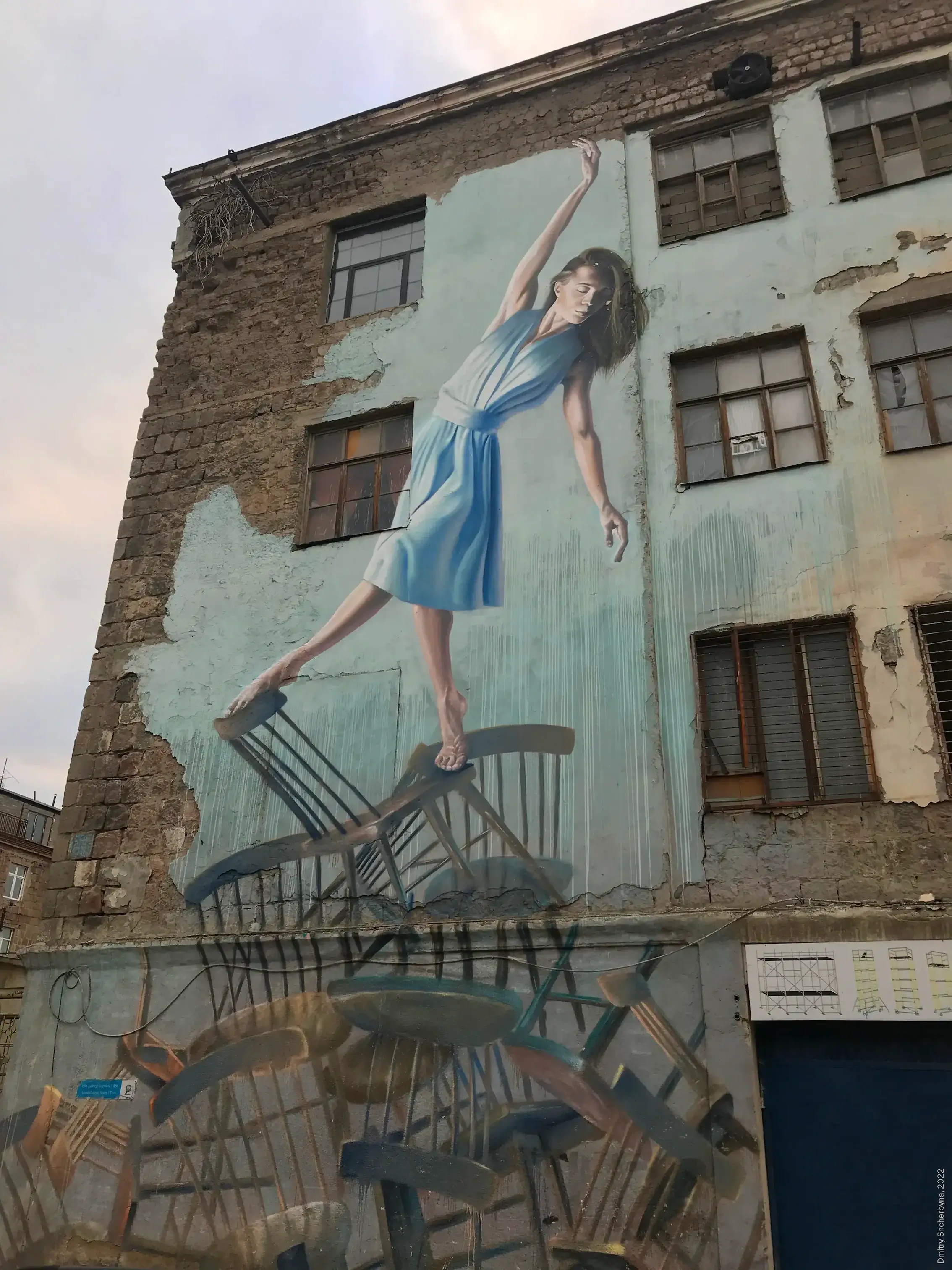
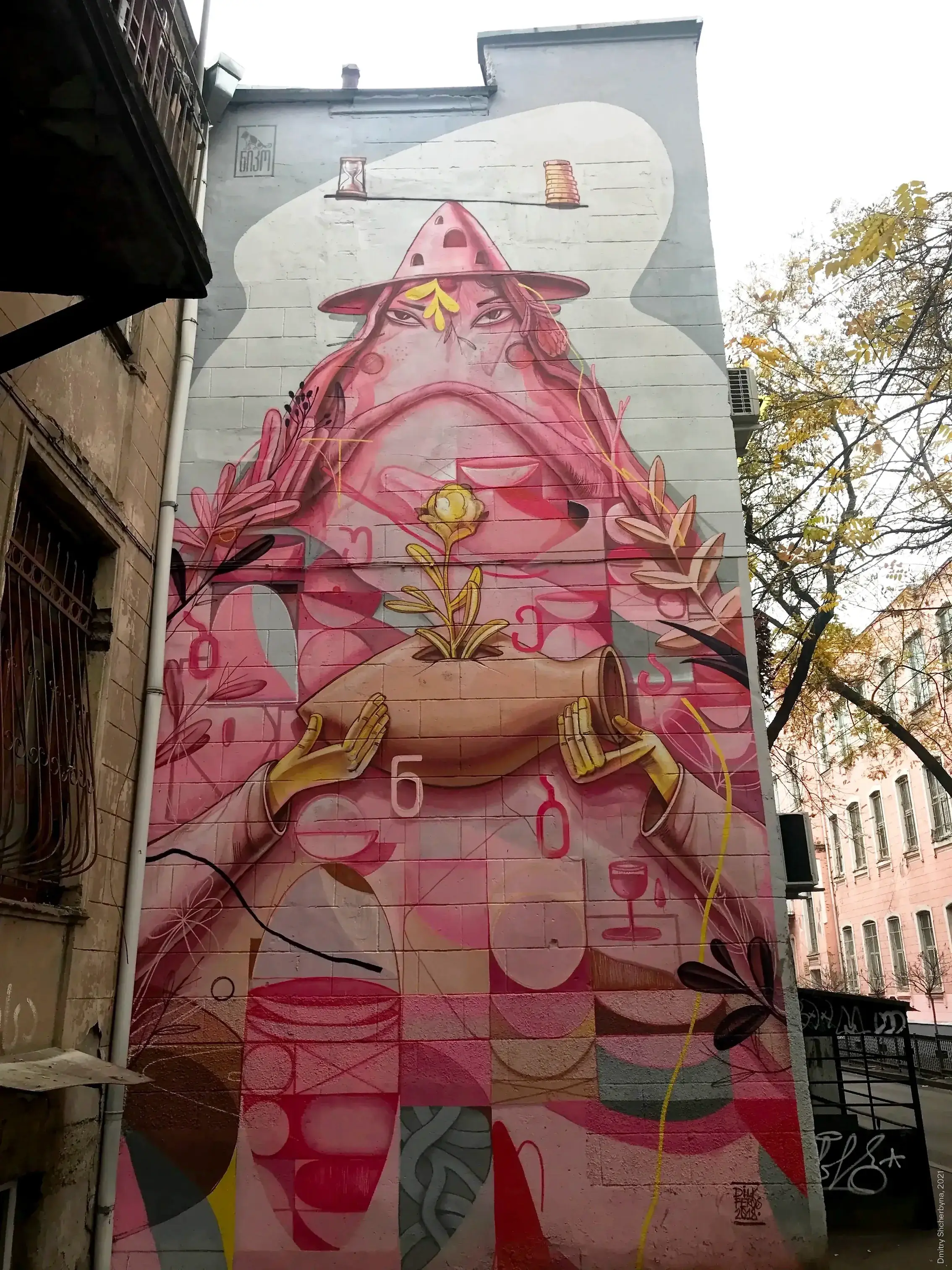
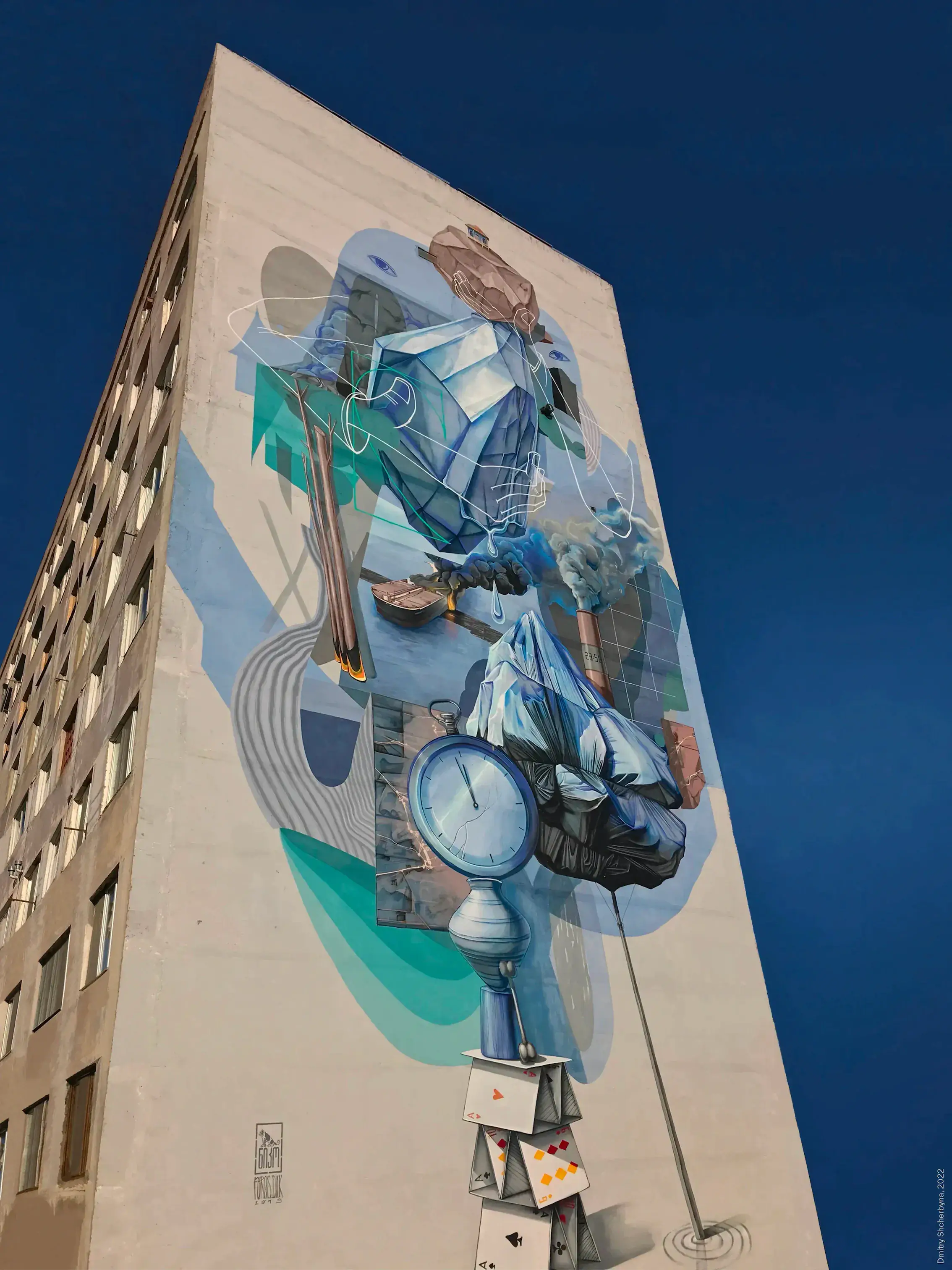
It’s a sample of how such projects can hugely change urban space.
The street art scene is developing rapidly, with an increasing number of notable works appearing on the streets all over Georgia.
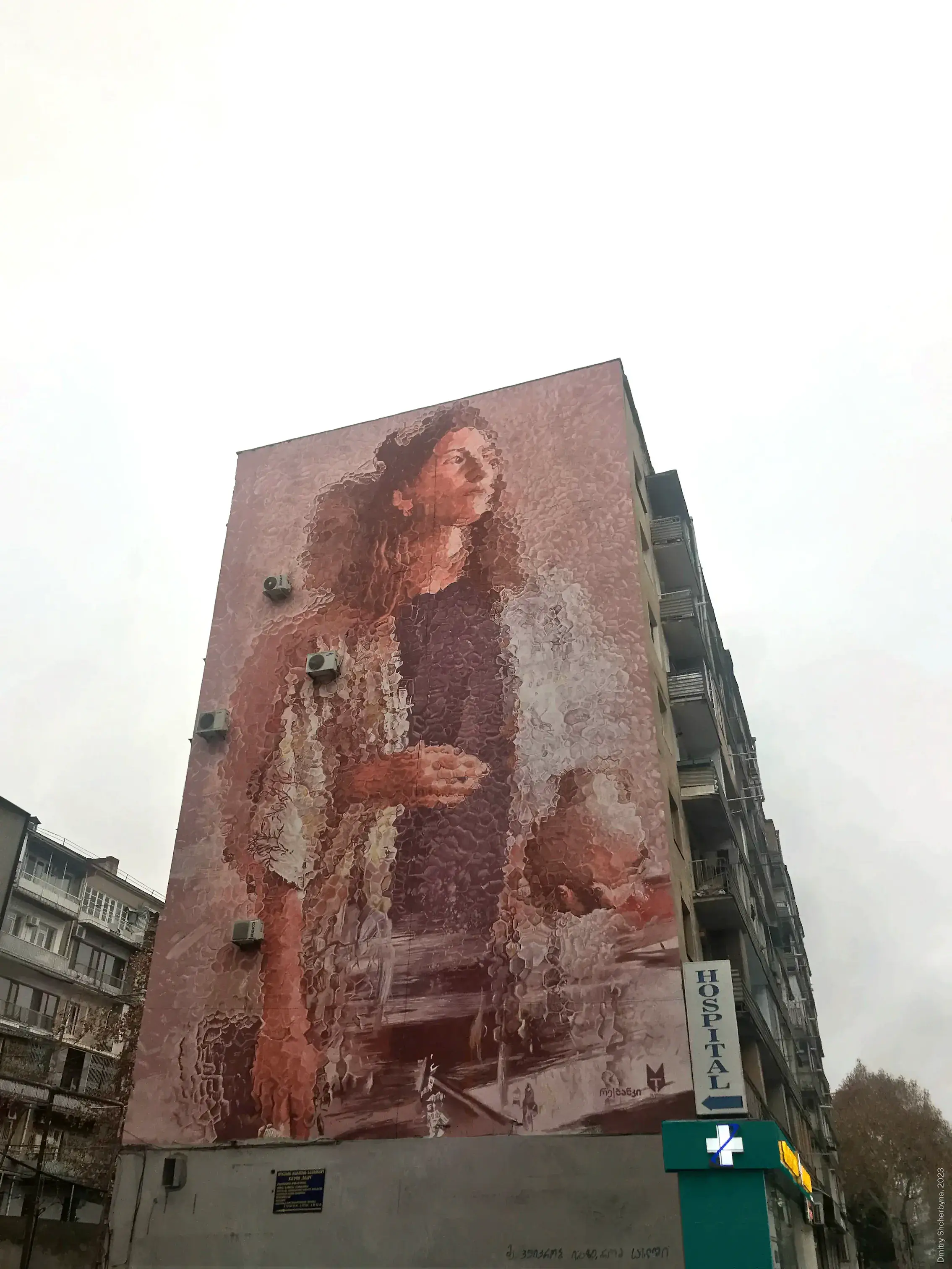
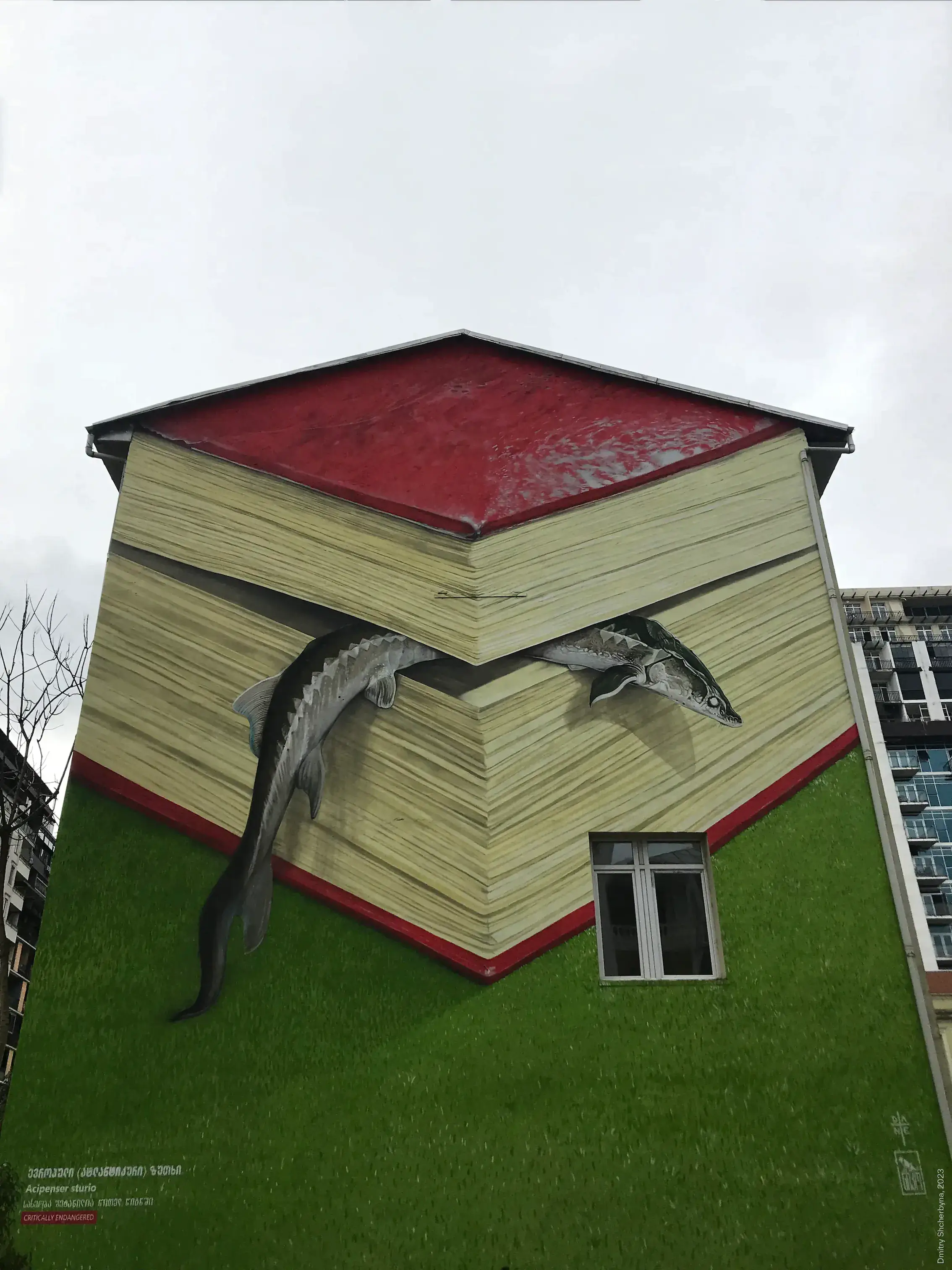
However, all those things that are located in the open air tend to deteriorate. Some of the works presented in this article no longer exist, some were redrawn, and some were badly damaged due to weather conditions or other factors. Within just a few years, numerous works have disappeared, reflecting the cost of such a dynamic environment, where new pieces emerge almost as quickly as older ones fade. Street art, by its ephemeral nature, remains exposed to weather conditions, vulnerable to urban development, and often subject to removal by authorities or property owners. Its impermanence, however, does not negate its cultural relevance.
As neighborhoods improve, something else often disappears. As cities evolve, the disappearance of street art from the city's visual landscape represents not merely a visual loss but also the loss of narratives of community identity, political dissent, and various forms of creative expression.
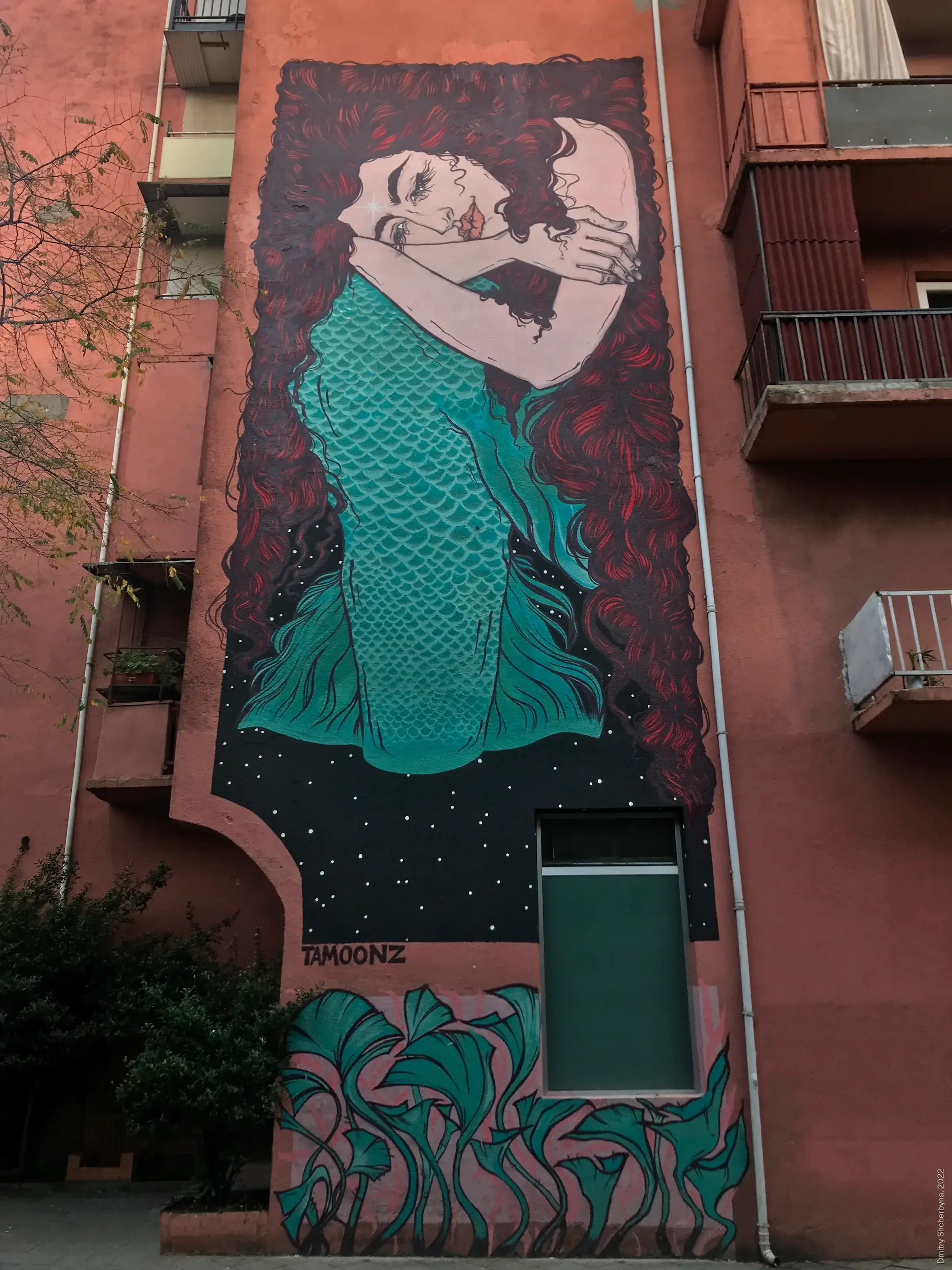
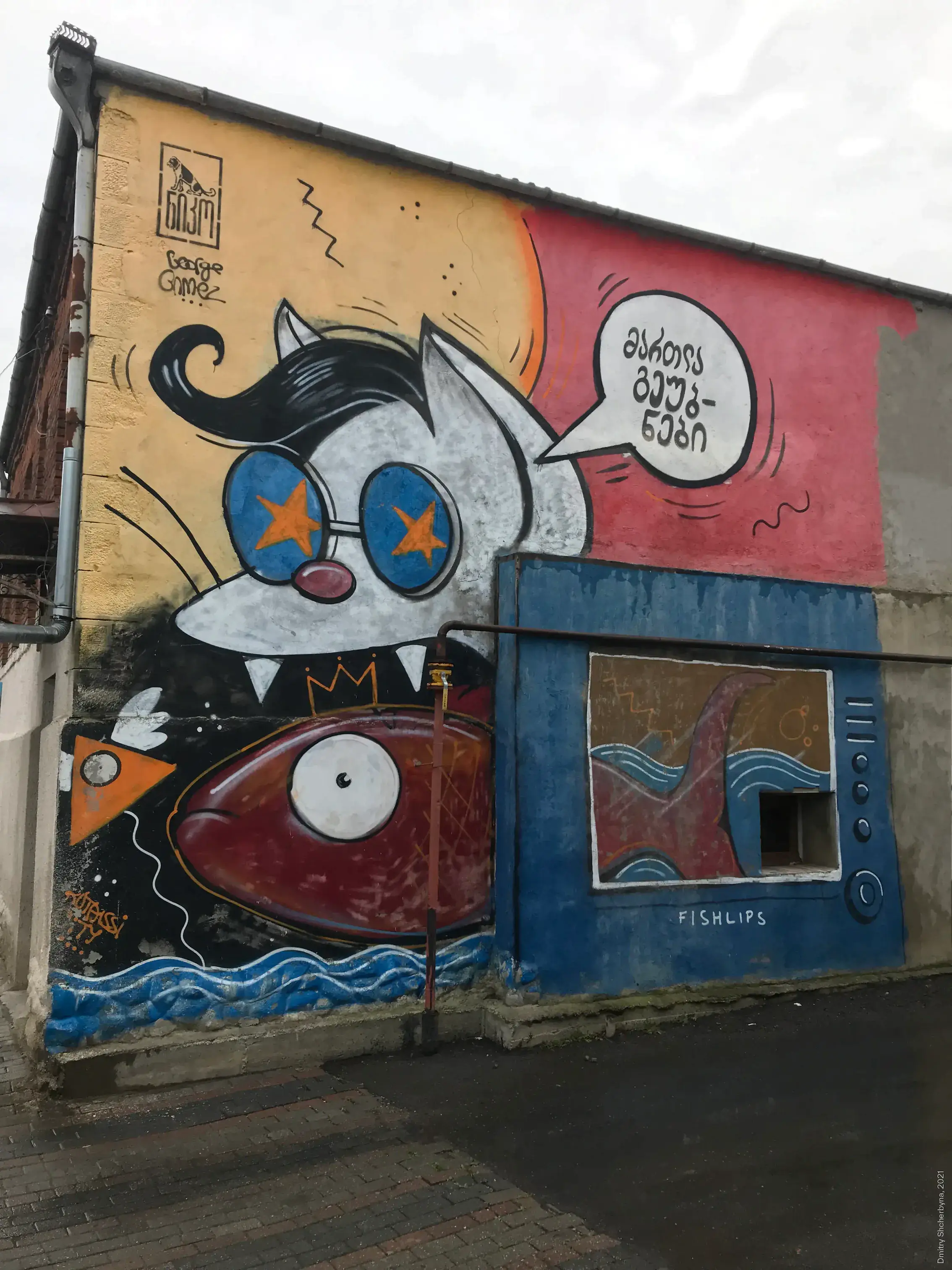
Thanks to everyone who supports and promotes the development of young artists and those who have already established themselves. With their works, they are documenting the history of today’s Georgian street art movement.
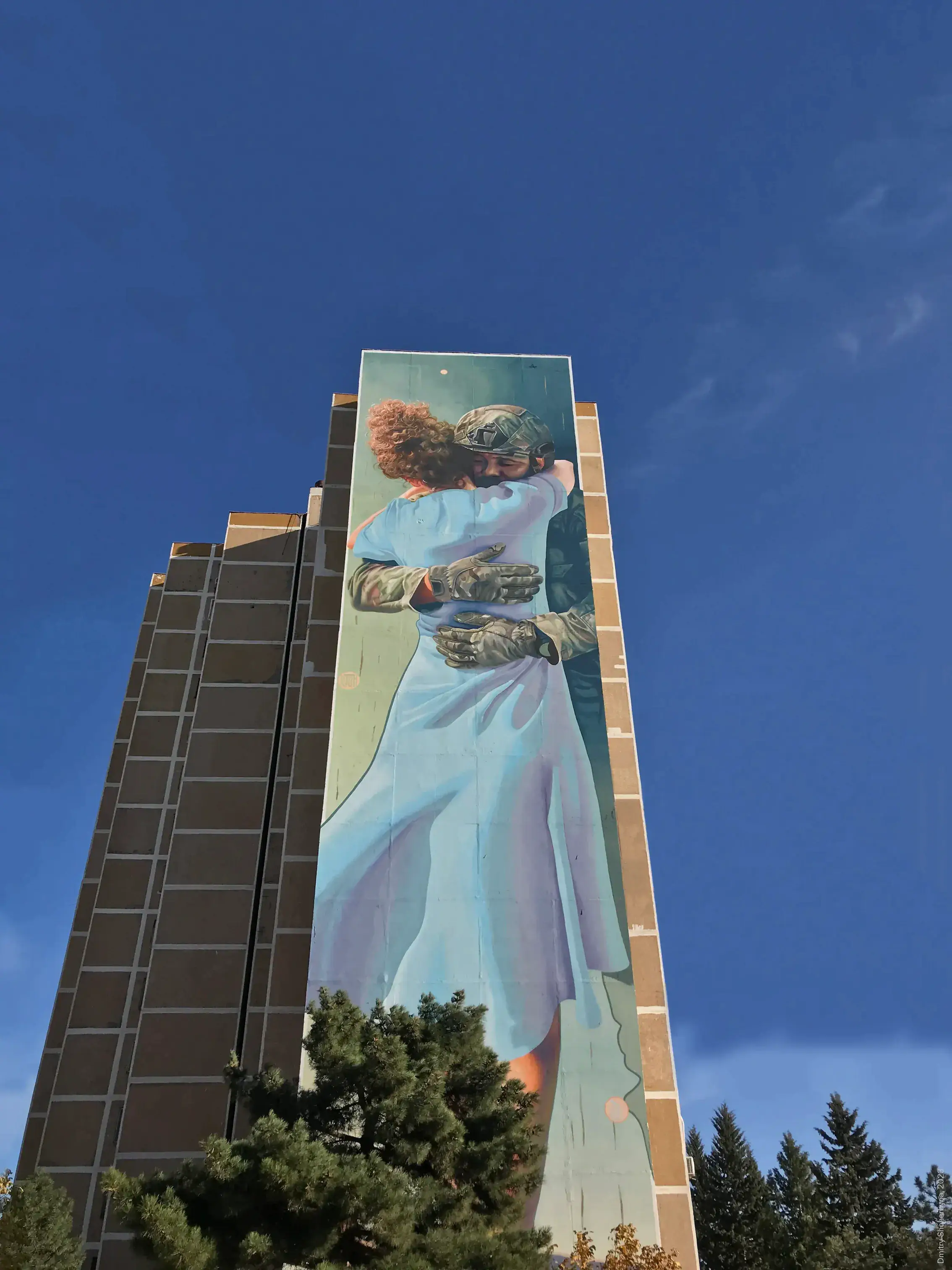
Like in the case of jazz music in the recent past, social sanctification through artistic and scholarly discourse was one of the main stages of the legitimating process. Since the street art phenomenon today is also “in the process of becoming legitimate,” it seems necessary to highlight this topic.